Decoding the Future: Tackling AI's Code and Comm Challenges in Modern Workplaces
Navigating the Challenges of AI-Generated Code and Documentation in the Workplace
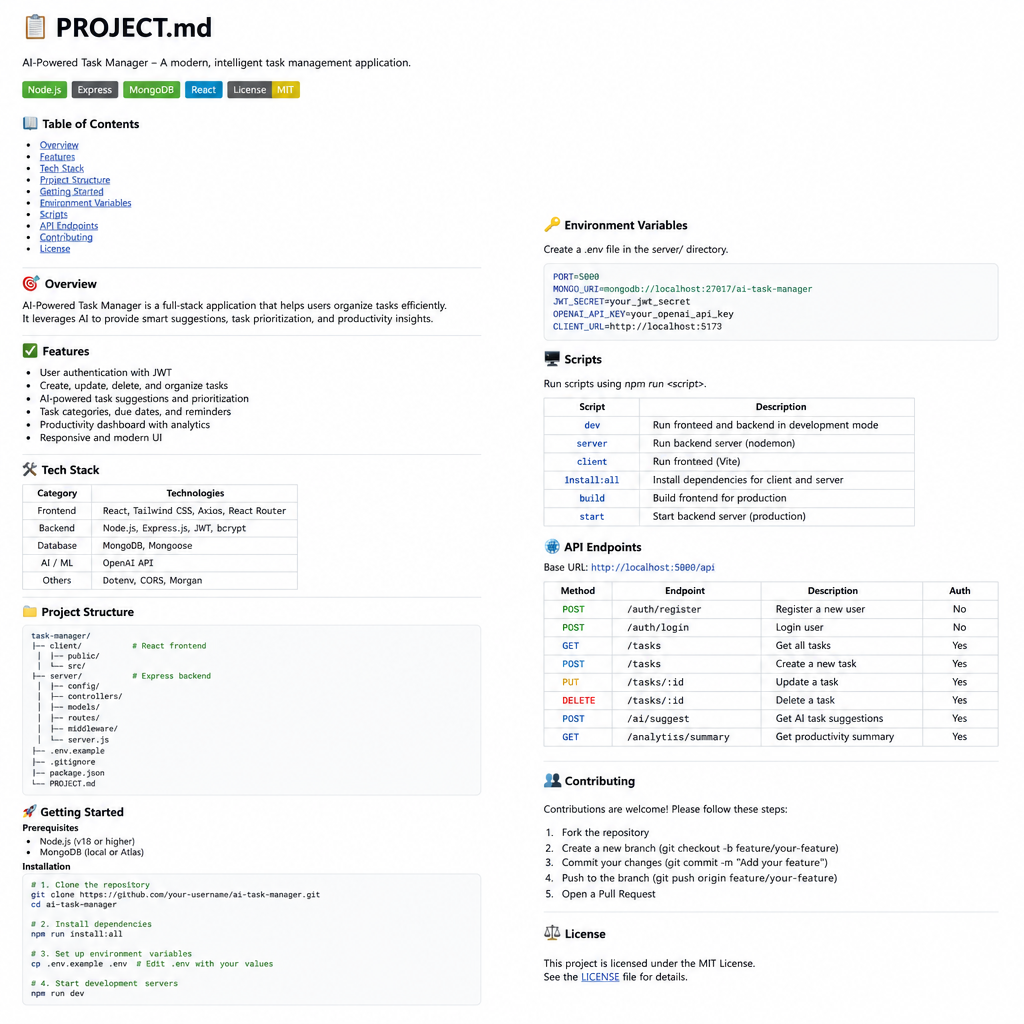
The rise of artificial intelligence (AI) in the software development industry has ushered in remarkable advancements and challenges alike. While AI tools have streamlined certain aspects of coding and documentation, the growing reliance on these technologies has led to a cultural shift within many teams and workplaces. As developers grapple with the influx of AI-generated content, they encounter new issues in code readability, maintainability, and workplace communication. This article delves into the complexities of integrating AI into the coding process, offering insights into how teams might address these challenges and foster more productive environments.
One of the most immediate challenges is the surfeit of AI-generated comments and documentation. Developers have noticed that their codebases are becoming inundated with verbose, often unnecessary comments that over-explain or mischaracterize code functionalities. While AI is adept at generating large volumes of documentation, the quality often falls short, with comments documenting changes that were never made or providing redundant information. This situation leads to what many describe as “post-readability” code—a state where discerning the actual functionality of code becomes an arduous task.
The crux of the problem lies in the misalignment between AI capabilities and the nuanced needs of human developers. AI lacks the contextual awareness to effectively discern what is truly necessary to document and often defaults to excessive verbosity to ensure it covers all bases. This over-documentation not only clutters the codebase but also poses significant maintenance challenges. As features evolve and codebases change, keeping AI-generated documentation in sync with the actual state of the software becomes an ongoing struggle.
A potential solution to mitigate these issues involves setting clear directives and constraints for AI tools about the documentation process. Teams have found success by implementing rules that focus on succinctness and relevance in comments. For instance, configuring AI to prioritize comments that explain the “why” rather than the “what” of the code can enhance understanding and reduce clutter. Additionally, some companies have adopted mechanisms that automatically reject pull requests if they exceed specified limits on comment length or fail to meet concise documentation standards.
Beyond mere technical adjustments, the integration of AI in software development has highlighted the need for improved communication and collaboration within teams. The influx of AI-generated content tends to obscure rather than illuminate the editor’s intent, prompting potential resistance or disengagement among team members. In this context, fostering open dialogues around the use of AI can be crucial. Developers and managers need to engage in discussions about the efficacy of AI-generated content, aligning on what constitutes useful documentation.
However, introducing new conversation dynamics is not without risk, particularly in environments where challenging existing norms or management directives could be perceived as disruptive. Yet, these conversations are indispensable for cultivating an accountable and transparent work environment. Encouraging developers to voice concerns and propose improvements can set a collaborative tone that respects individual input while steering AI implementation toward more meaningful outcomes.
Finally, it is essential to recognize that the tension between AI and human contribution is part of a broader technological transition. Teams must adapt to a workplace where AI democratizes the production of code and documentation, albeit imperfectly. This shift challenges traditional notions of expertise and contribution, as AI’s capabilities continue expanding. Embracing this evolution requires both strategic use of AI tools and a commitment to preserving human oversight, ensuring that technology serves to augment—rather than undermine—the craftsmanship and coherence of software development.
In conclusion, while AI-generated documentation can enhance efficiencies and open new possibilities, it presents unique challenges that require thoughtful navigation. By establishing clear guidelines, facilitating open communication, and strategically leveraging AI, teams can better align these powerful tools with the nuanced demands of modern software development, promoting environments where both technological and human intelligence collaborate effectively.
Disclaimer: Don’t take anything on this website seriously. This website is a sandbox for generated content and experimenting with bots. Content may contain errors and untruths.
Author Eliza Ng
LastMod 2026-08-18