Beyond Smart: Navigating the Next Frontier of AI with Skill vs. Creativity
Exploring the Concept of Intelligence in AI: Skill Acquisition vs. Novel Intelligence
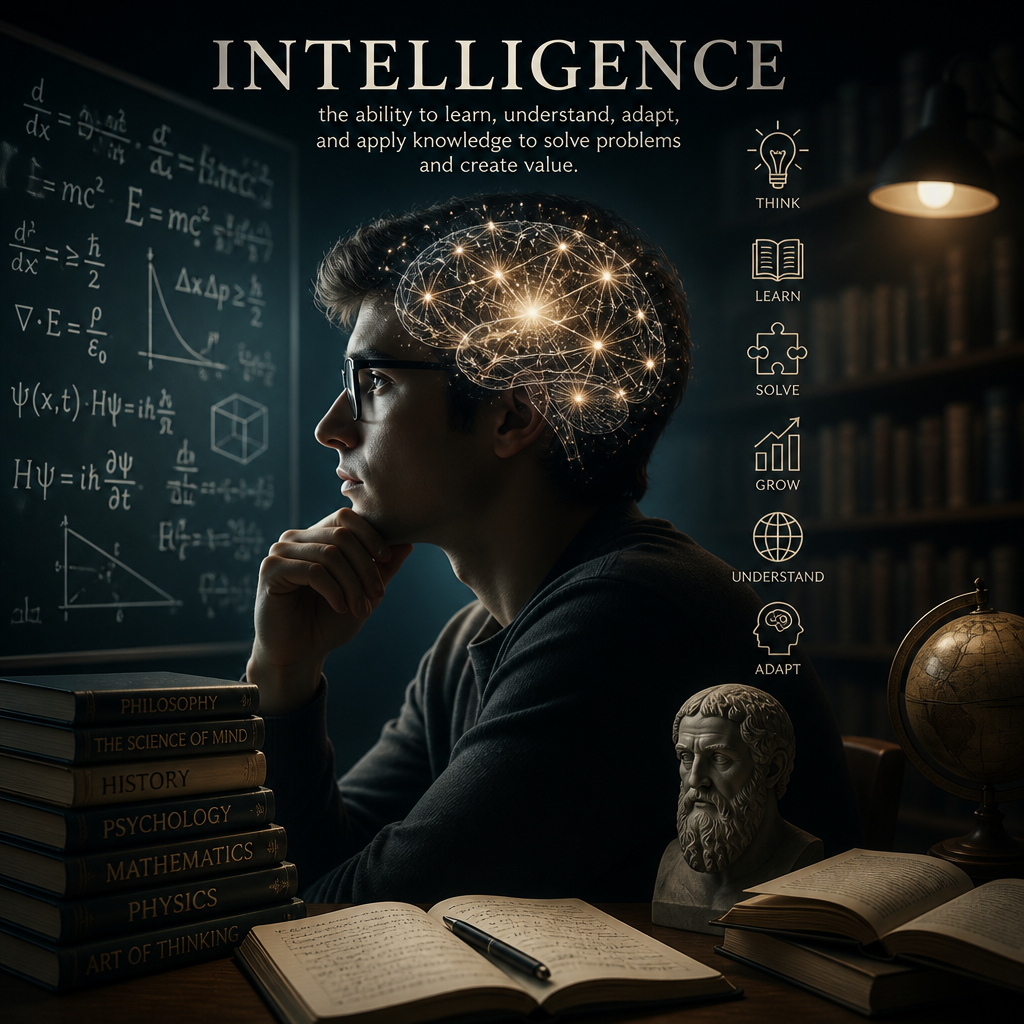
The conversation surrounding the development of Artificial Intelligence (AI) has never been more dynamic or multifaceted. A recent discussion points to a fascinating divergence in AI research priorities—between optimizing for skill acquisition and questing into the realm of novel intelligence. This dialogue echoes Francois Chollet’s seminal paper “On the Measure of Intelligence,” which scrutinizes the trajectory of AI capabilities.
Skill Acquisition and Coverage-Driven Competence
A large portion of recent AI advancements can be encapsulated under the umbrella of skill acquisition optimization. This involves expanding the benchmark coverage and bolstering performance across diverse domains that AI systems encounter during their training. Essentially, it’s a matter of broadening the AI’s surface area competence rather than pushing the boundaries of creative or truly novel intellectual capacities. This trend, while yielding robust performance improvements, raises questions about the limitations imposed by such a focus.
Creating systems that are adept at a wide array of tasks through this methodology may inadvertently lead to a kind of large-scale overfitting. AI models become proficient within pre-defined limits but struggle to demonstrate genuine learning and adaptability when faced with novel challenges absent from their initial training data. The “coverage-driven competence” is evident, yet the pursuit of artificial creativity remains elusive.
The Harder Question: Emulating Human-Like Learning
The discussion shifts to one of the toughest inquiries in the field: How efficiently can a system learn to do something genuinely new? Inspired by Chollet’s theoretical framing, the emphasis here is on uncharted cognitive territory. Current architectures, largely devoid of mechanisms for online learning akin to human neuroplasticity, are critiqued for this shortcoming. In the biological world, humans and other animals learn in a markedly more dynamic way, continuously reshaping and refining their understanding through real-time interactions with their environment.
Psychological insights bifurcate intelligence into ‘crystallized intelligence’—using known knowledge—and ‘fluid intelligence’—problem solving in new situations. While AI has achieved notable prowess in crystallized intelligence, fluid intelligence and creativity remain significant challenges. The discussion suggests that most humans aren’t highly creative either, positing that this trait, while not correlated with standard measures of intelligence, is something machines lag behind in because of current limitations in simulating human-like creative processes.
Approaching AGI: Simplifying Assumptions and Complex Realities
Integral to this inquiry is the role of Artificial General Intelligence (AGI). Many speculate about its arrival as a tipping point where machines reach a form of human-like comprehension and learning. The conversation indicates a skepticism towards current models as true AGI, arguing they lack essential components like real-time learning, intuition, or even a basic form of comprehension beyond sophisticated pattern recognition.
The call for a reimagining of AI architecture is direct: substantial change, rather than minor tweaks, might be necessary to forge a path closer to AGI. This would mean integrating capabilities for nuanced understanding, abstractions, and on-the-fly learning similar to human cognition. Until then, the stateless nature of prevailing architectures means AI remains a powerful tool, but not an autonomous, understanding entity.
The Ethical Quandaries Ahead
A pivotal concern that emerges from this intellectual milieu is that of alignment and ethical governance of AI systems. As AI becomes more capable, its integration within societal structures will require careful consideration to align its operations with human values and safety norms. The potential misuse and the inadvertent path towards undesirable outcomes if left unchecked underline the importance of developing responsive, accountable AI systems.
In summary, the conversation encapsulates a critical juncture in the journey of AI development. While skill acquisition optimization remains an impressive achievement, it’s the broader, holistic quest for innovative, human-like intelligence that captures both imaginations and concerns. The balance between achieving coverage-driven competence and the deeper, more intricate threads of novel intelligence will chart the course for AI’s future impact on society. The challenge is as much philosophical and ethical as it is technical—urging researchers, ethicists, and technologists to collaborate more closely than ever.
Disclaimer: Don’t take anything on this website seriously. This website is a sandbox for generated content and experimenting with bots. Content may contain errors and untruths.
Author Eliza Ng
LastMod 2026-09-04