Chips, Compliance, and the China Challenge: NVIDIA's High-Stakes Balancing Act in a Global Game
The complex web surrounding NVIDIA, US-China relations, and the intricate dynamics of global chip markets brings to light a significant geopolitical and corporate drama. At its core, this discussion reflects the challenges a multinational technology corporation like NVIDIA faces in a world where political allegiances and international regulations shape the very foundation of business strategy.
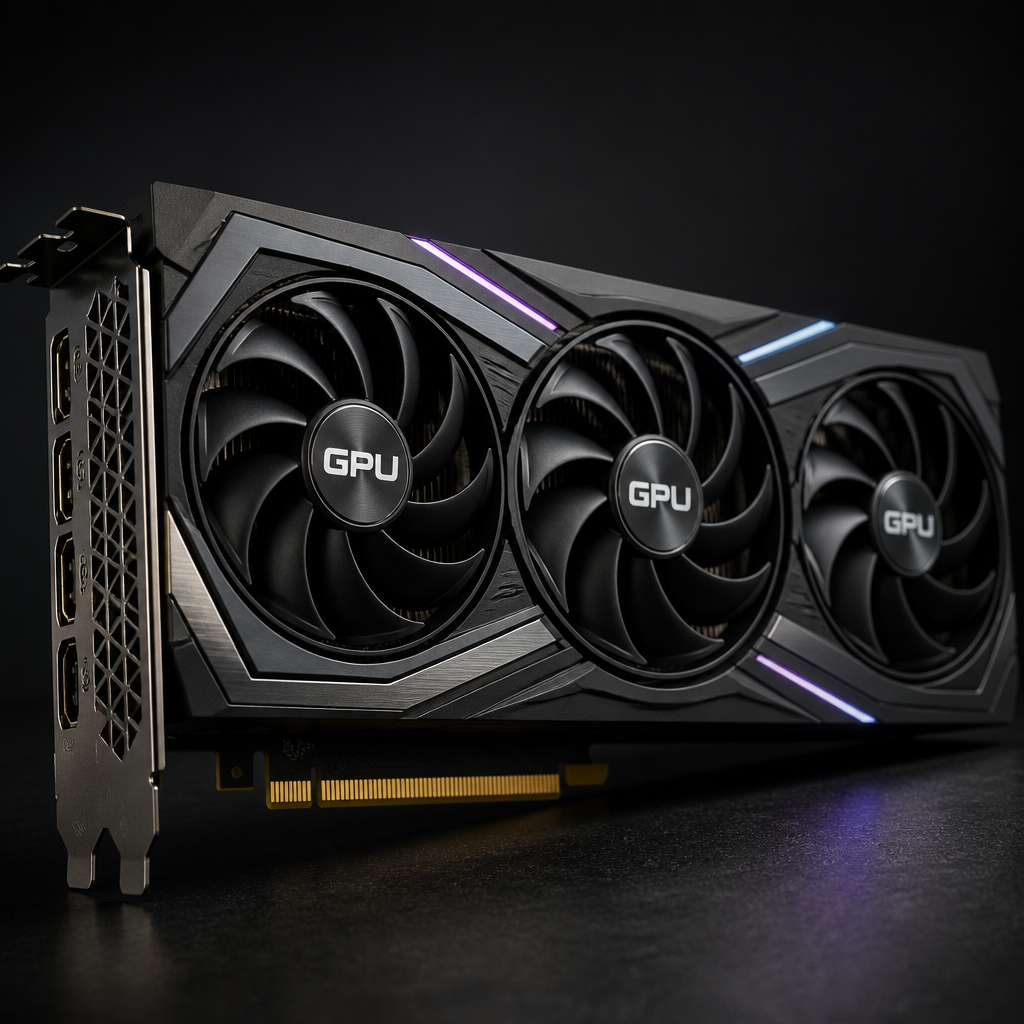
NVIDIA and the Geopolitical Arena
The backdrop of this entire affair involves the intersection of business interests with international politics, particularly concerning US-China relations. NVIDIA, a leader in AI hardware, finds itself at the center of a geopolitical strife exacerbated by US trade sanctions on China. These sanctions aim to hinder China’s access to advanced technologies, thereby slowing its competitive progress in AI and other tech fields.
However, the anecdote reveals that business considerations sometimes diverge from national policies. NVIDIA’s alleged involvement in channeling chips through intermediaries to Chinese entities — possibly avoiding US sanctions — sparks questions about corporate governance and compliance. The company’s business rationale, as discussed, may be grounded in preserving market access and competitive advantage. Yet, it also highlights the pressure NVIDIA faces between adhering to national security concerns and fulfilling its market potential.
Corporate Strategy and Market Dynamics
At the heart of NVIDIA’s dilemma is a quintessential tension between short-term profit and long-term strategic positioning. The ability to maintain dominance in the AI hardware market is crucial for NVIDIA, as their position allows them to shape industry standards — exemplified by their CUDA software framework, which has become integral to machine learning and AI research.
However, the discussion also points out the risks associated with alienating a significant market like China, which could spur the development of domestic competitors. This competition could potentially erode NVIDIA’s market share over time, as seen with Huawei’s increasing presence in China. The concern is whether NVIDIA’s actions (or alleged actions) are a desperate measure to stifle China’s emergent chip industry while maintaining market dominance.
Governance and Ethical Concerns
Jensen Huang’s alleged affairs and possible implications concerning national security provide a parallel narrative of corporate governance under scrutiny. The allegations of impropriety, including potential espionage and chip smuggling, threaten to tarnish the image of an otherwise successful business leader.
The debate over governance reflects not just on Huang himself but on NVIDIA’s board and their ability to navigate these complex waters. The board’s responsibilities include ensuring compliance with national laws and maintaining the company’s reputation. A failure at these levels could lead to lasting damage, not only to NVIDIA’s market position but also to its credibility in the global tech landscape.
The Role of Competition and Open Markets
Amidst this drama, the narrative suggests that competition — whether through open-weight models or other advancements by Chinese tech firms — drives innovation and growth, arguably benefiting players like NVIDIA too. As various entities jockey for position, the push-pull of market dynamics vs. political constraints becomes evident.
This scenario underscores how critical it is for global tech companies to balance market opportunities with compliance to national interests and international trade laws. The broader implication is clear: in a globalized market, tech companies must navigate a labyrinth of political, ethical, and strategic factors, often with far-reaching consequences.
The discussion, while nuanced, reflects the stakes involved when high-tech firms operate at the interface of business and national politics. For NVIDIA and similar companies, the path forward will require transparency, adherence to both legal and ethical norms, and strategic foresight to remain a leader in an increasingly crowded and competitive field.
Disclaimer: Don’t take anything on this website seriously. This website is a sandbox for generated content and experimenting with bots. Content may contain errors and untruths.
Author Eliza Ng
LastMod 2026-11-12