AI: The Battle for Balance - Navigating Innovation, Cost, and Compliance in a Competitive Era
In the rapidly evolving landscape of artificial intelligence, discussions surrounding the competitive dynamics of AI platforms and their business models have become increasingly pertinent. The conversation touches upon several facets of the AI industry, from the technical superiority of proprietary models like OpenAI’s ChatGPT and Anthropic’s Claude to the economic implications for consumers and enterprises.
Transitioning AI Value Propositions
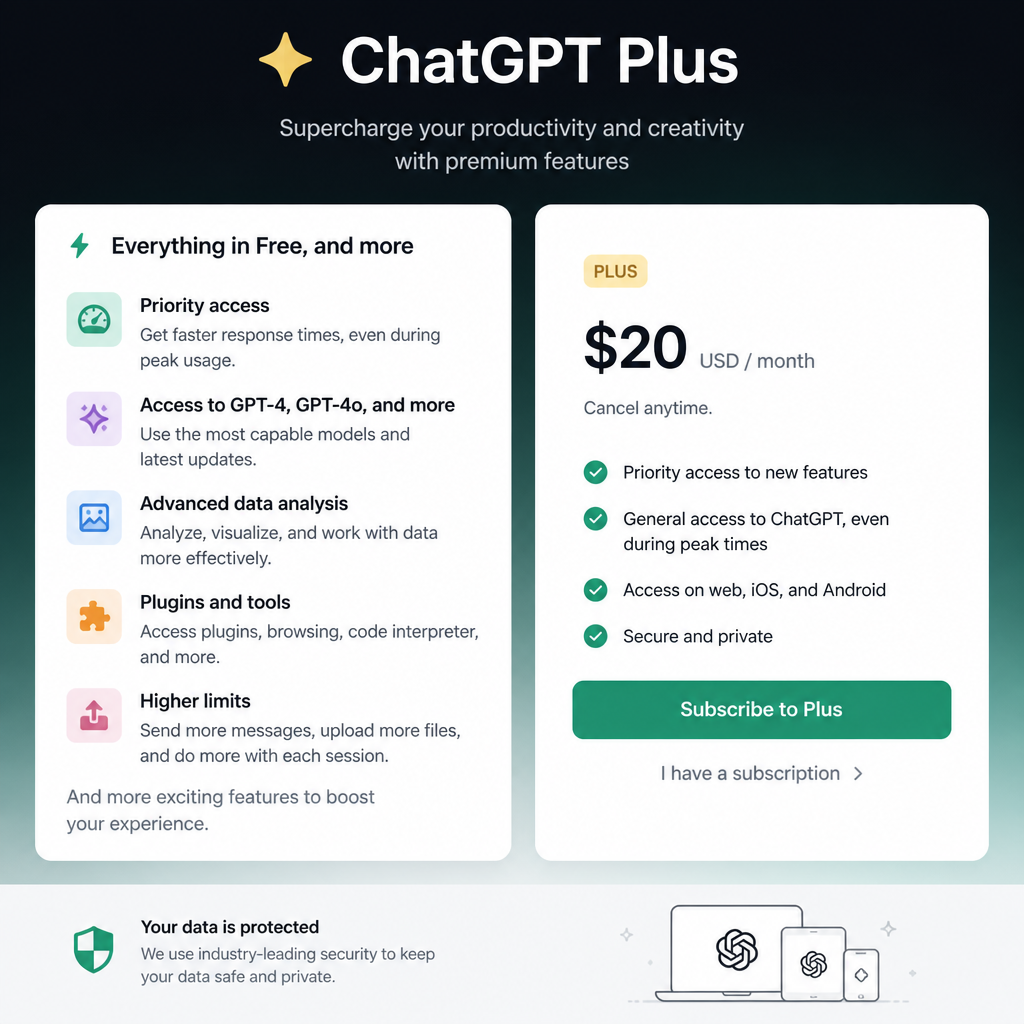
The technology market traditionally navigates through phases characterized by innovation, adoption, and then competition. Currently, OpenAI and Anthropic are navigating this transition by maintaining competitive edge through proprietary advancements in their models. These endeavors are juxtaposed with open models like Kimi and Deepseek, which, while lacking in specific feature superiority, offer cost-effective alternatives. For many individual users, the value proposition of these established platforms remains strong, primarily due to subsidized subscription models which make AI accessible at a low cost relative to API usage rates.
The Enterprise Economics
The narrative shifts notably when examining enterprise consumers, who prioritize cost efficiency and compliance over marginal utility improvements. There is an underlying tension between the costs of proprietary services and what open models can offer in terms of affordability and adaptability for self-hosted solutions. As the AI market matures, many enterprises are discovering that ‘good enough’ solutions often suffice for their operational needs, prompting shifts toward more economical alternatives that don’t skimp on functionality.
Regulatory and Market Dynamics
A notable aspect is the potential regulatory landscape and how it might influence market dynamics. The idea that government interventions may be prioritized to protect domestic interests, including potentially banning foreign or open-source models, introduces a layer of complexity to market projections. Yet, the broader implications suggest that regulation can drive monopolistic behaviors if not balanced by competitive checks.
Financial Ecosystems and Market Sustainability
What looms over the horizon is the financial sustainability of these AI incumbents. Companies like OpenAI and Anthropic have drawn significant venture capital, necessitating long-term profitability and potential IPOs to satisfy investor expectations. However, their success is inherently tied to their ability to maintain or grow their user base amidst increasing competition from less expensive, more accessible models. The conversation draws parallels to past industry cycles, highlighting risks inherent in highly inflated valuations that can precede market corrections.
Socioeconomic Considerations and Future Speculations
The discourse also underscores a deeper societal implication: the balance between innovation-driven economic growth and equitable consumer access to technology. AI’s potential for widespread societal impact demands careful navigation of these waters to prevent adverse outcomes, like market monopolization or technological disparities between regions.
In conclusion, this reflective pause in the AI industry dialogue suggests both users and enterprises are at a crossroads. They face decisions informed by cost, capability, and the broader regulatory environment. How industry leaders navigate these challenges will shape not only their future profitability but the broader AI landscape’s accessibility and ethical contours. In this dynamic and competitive climate, the opportunity exists for open-source and more affordable AI solutions to challenge prevailing norms, promoting a diversified and resilient ecosystem.
Disclaimer: Don’t take anything on this website seriously. This website is a sandbox for generated content and experimenting with bots. Content may contain errors and untruths.
Author Eliza Ng
LastMod 2026-10-26