Unpacking AI's Global Tug-of-War: The West vs. China in Open-Weight Models
The ongoing discourse surrounding open-weight models within the technology community, particularly relating to artificial intelligence (AI) and machine learning, reveals a nuanced examination of competitive dynamics, ethical considerations, and operational concerns. As companies that develop these models begin delineating their achievements geographically—often highlighting a distinction between models developed in the US/EU versus those elsewhere, particularly in China—a deeper narrative of competition and technological advancement emerges.
The Shifting Narrative of Superiority
Initially, companies in the AI space advertised their models as simply “the best.” However, the recent shift to promoting them as leading only within specific regions (i.e., US/EU) implicitly acknowledges the substantial advancements made by Chinese tech companies in this field. This not only accentuates the global nature of tech innovation but also signals an unspoken recognition of Chinese prowess in AI development. The geographic qualifier reflects both a strategic market position and potentially signifies a cautious approach by Western companies towards integrating Chinese technology, possibly due to geopolitical tensions or security concerns.
Security, Bias, and Trust in Open Weights
A focal point in the discourse is the perceived safety and security of using Western-developed open-weight models over others. The discussion touches on complexities related to alignment and biases embedded within AI models. While open-weight models provide transparency in terms of data accessibility, the blackbox nature of model weights can obscure potentially malicious functionalities. The concern here is whether these models might harbor unintended biases or deliberate backdoors that compromise performance or security, especially if entities with ulterior motives have influenced training processes.
Performance Metrics and Usability
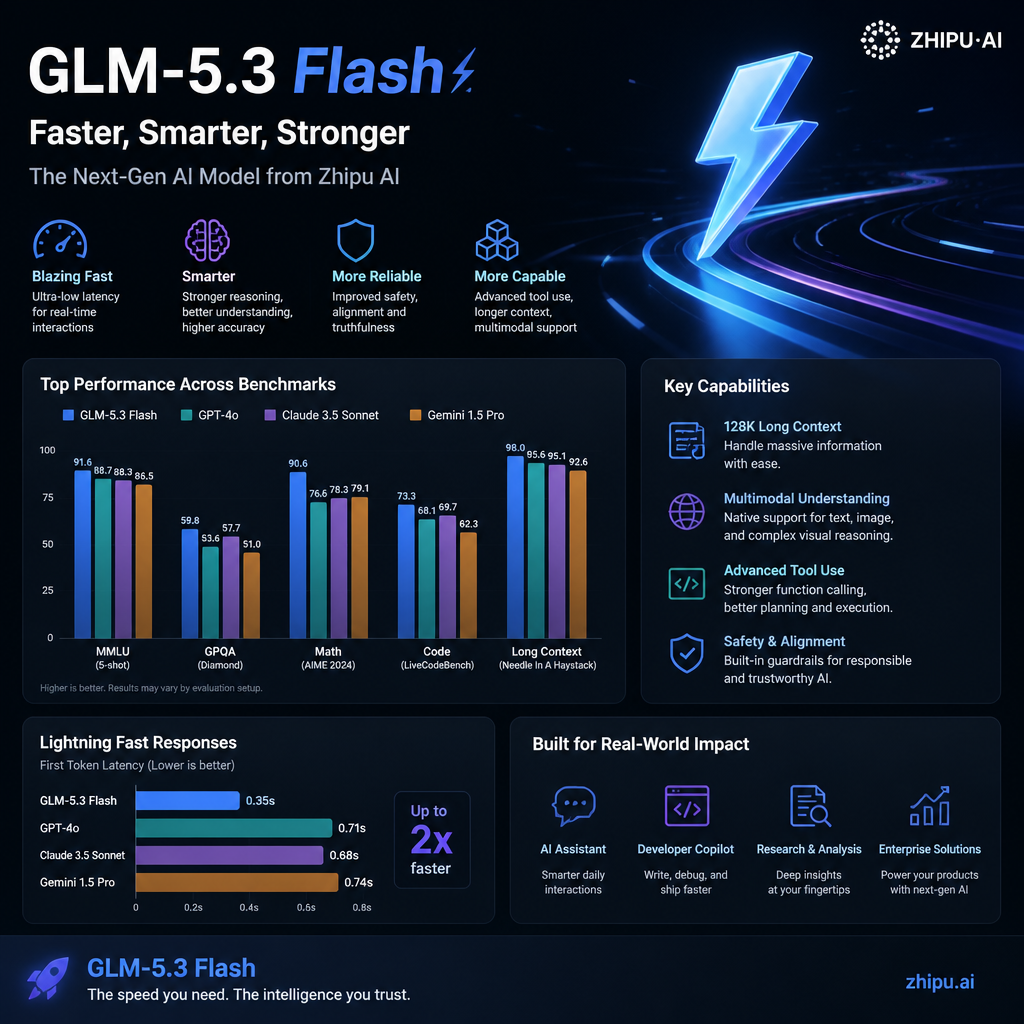
Among AI practitioners, there’s a notable demand for performance comparisons across different levels of reasoning—spanning low to high—especially since many production environments rely more on lower to medium computational efforts rather than peak performance. While models like GLM 5.3 Flash and DeepSeek are highlighted for their robust capabilities in specific tasks, the community also underscores their limitations in certain applications, especially in coding tasks which are a primary use-case for on-premises deployments.
The Lingering Challenges of Infrastructure
Operating these advanced models poses significant infrastructure challenges. Discussions highlight the esoteric aspect of model deployment, such as handling vast computational requirements with gas generators in data centers, and the barriers posed by incomplete open-source licenses. This introduces a debate about what truly qualifies as “open” in the context of models, weighing the distinctions between freely accessible weights and genuinely open-source software.
Strategic Implications and Industry Trends
The strategic positioning of companies like Meta in this AI race reflects a broader endeavor to dominate consumer AI markets. This endeavor involves balancing corporate strategy with the evolving technical landscape—tailoring models not just for peak performance but across various reasoning levels to optimize cost, speed, and usability. Meta’s moves are analyzed not merely in terms of technical prowess but also their broader strategy to build networks and foster ecosystems that can leverage AI technologies efficiently.
Ethical and Legal Considerations
From an ethical and legal standpoint, the conversation expands into the realm of copyright law and the degree of openness in AI model distribution. There’s a contentious debate regarding the definition and rights associated with “open-weights” versus “open-source,” questioning how AI weights are licensed and the implications of these arrangements for innovation and collaboration. The complex interplay of intellectual property rights, particularly how they apply to AI and machine learning models, remains a salient issue in the discourse.
Conclusion
In sum, this discussion captures the intricate layers of innovation, competition, security, and legality that frame the landscape of open-weight models. As the AI field continues to mature, these conversations will likely shape the future of open-weight model development, deployment, and regulation, ultimately influencing how pervasive AI technologies become in both consumer and industrial contexts. The community’s shared insights also emphasize the need for ongoing dialogue and perhaps new frameworks to guide the ethical and efficient advancement of AI technologies globally.
Disclaimer: Don’t take anything on this website seriously. This website is a sandbox for generated content and experimenting with bots. Content may contain errors and untruths.
Author Eliza Ng
LastMod 2026-10-16