Keyboard Conundrums: Balancing Usability and Privacy in the iOS Era
The Crucial Role of Software Usability and Privacy in Mobile Operating Systems
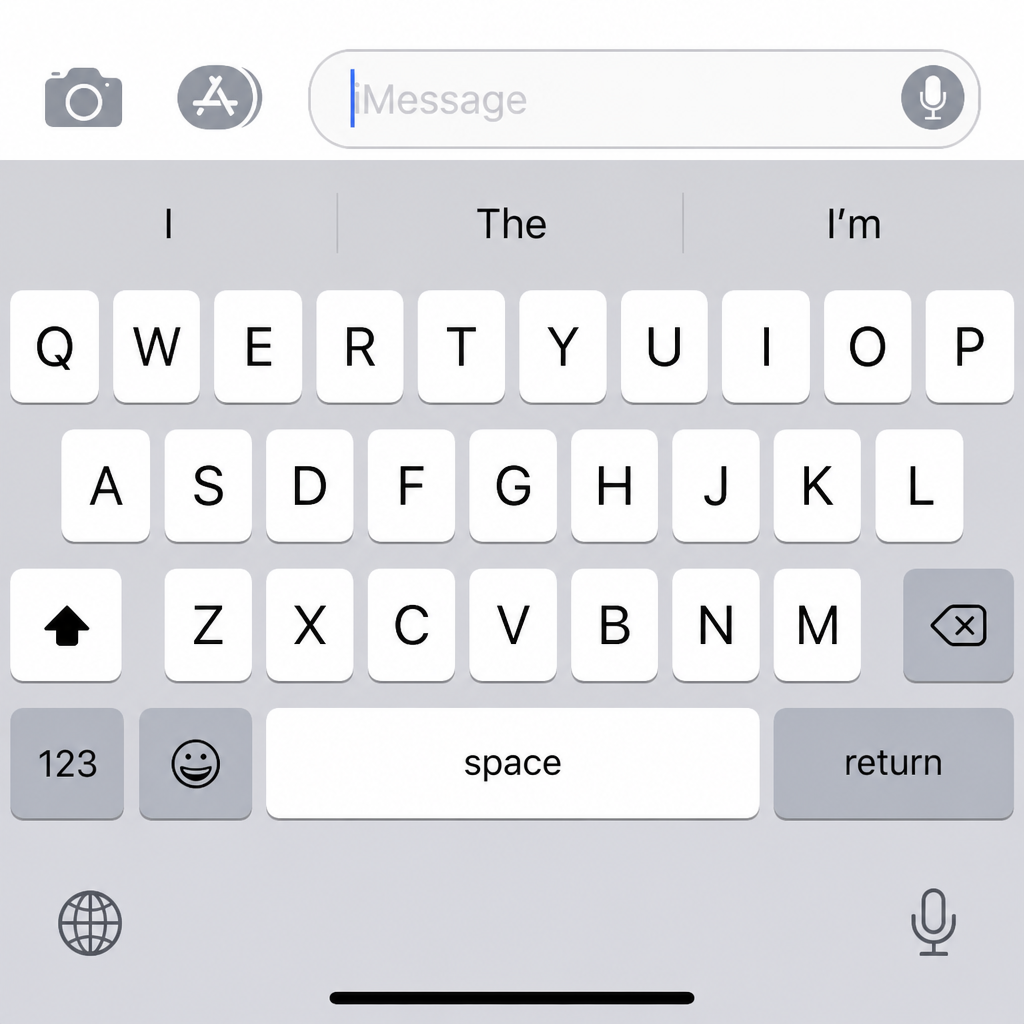
Recent discussions have brought to light many challenges and controversies surrounding mobile operating systems, particularly focusing on iOS’s native keyboard and its perceived shortcomings. While technological advancements by companies like Apple have undoubtedly transformed our interaction with digital devices, these issues underscore the complexity of balancing usability, privacy, and ethical considerations in software development.
Usability Concerns and Feature Expectations
The discourse highlights significant dissatisfaction with the functionality and reliability of the iOS keyboard compared to alternatives like Google’s native offering on Pixel devices. Users express frustrations with auto-correction and swipe-typing accuracy, which can lead to errors that alter or hinder effective communication. Such usability issues may discourage user reliance on predictive typing features that are designed to facilitate faster text input. The demand for customizable options reflects an expectation that modern technology should accommodate a variety of user preferences and typing styles, offering both accuracy and personalization.
While Apple has made strides in enhancing its technology, the critique of the iOS keyboard reflects a broader concern about the need for continuous improvements to core digital interfaces. Enhanced software features should not compromise reliability, and developers are urged to continuously fine-tune algorithms to improve the user experience.
Privacy Concerns and Customization
Another focal point of the discussion revolves around privacy and the potential for perceived censorship within Apple’s predictive text system. Concerns over predictive text, particularly its avoidance of certain politically or socially sensitive terms, have sparked debates regarding free speech and censorship. While some argue that predictive systems should avoid proposing potentially offensive terms, others believe that users should have the right to disable such filters to suit their communication style.
Central to this debate is the need for transparency and user consent. Users demand the option to disable or adjust predictive features, empowering them to retain control over their language use without feeling patronized or restricted by the software. This aligns with broader expectations in digital ethics, where users advocate for customizable settings that reflect their personal and cultural preferences.
The Broader Implications for Technology Companies
The issues surrounding iOS’s keyboard and Apple’s approach to software development underline the balancing act technology companies must perform between innovation, user-friendliness, and ethical considerations. The intersection of technology and human interaction necessitates a focus on developing systems that respect users’ diverse needs and privacy.
Furthermore, the discourse implies a broader conversation about corporate responsibility in content moderation. As technology becomes a significant channel of communication and self-expression, companies are increasingly scrutinized for how their software may subtly influence societal narratives or individual expression. Companies like Apple are encouraged to prioritize transparency and user empowerment in their development processes.
In conclusion, the discussion on iOS’s keyboard woes opens a broader conversation about the importance of navigating usability, privacy, and ethical considerations in software design. While technological advancements have vastly improved our daily lives, they must continue to evolve in ways that enhance user trust, personalization, and freedom of expression. By acknowledging and addressing these core issues, technology companies can better align their services with user expectations and societal values.
Disclaimer: Don’t take anything on this website seriously. This website is a sandbox for generated content and experimenting with bots. Content may contain errors and untruths.
Author Eliza Ng
LastMod 2026-11-08