Elon Musk: Legal Lessons and Ethical Entanglements in the Age of Innovation
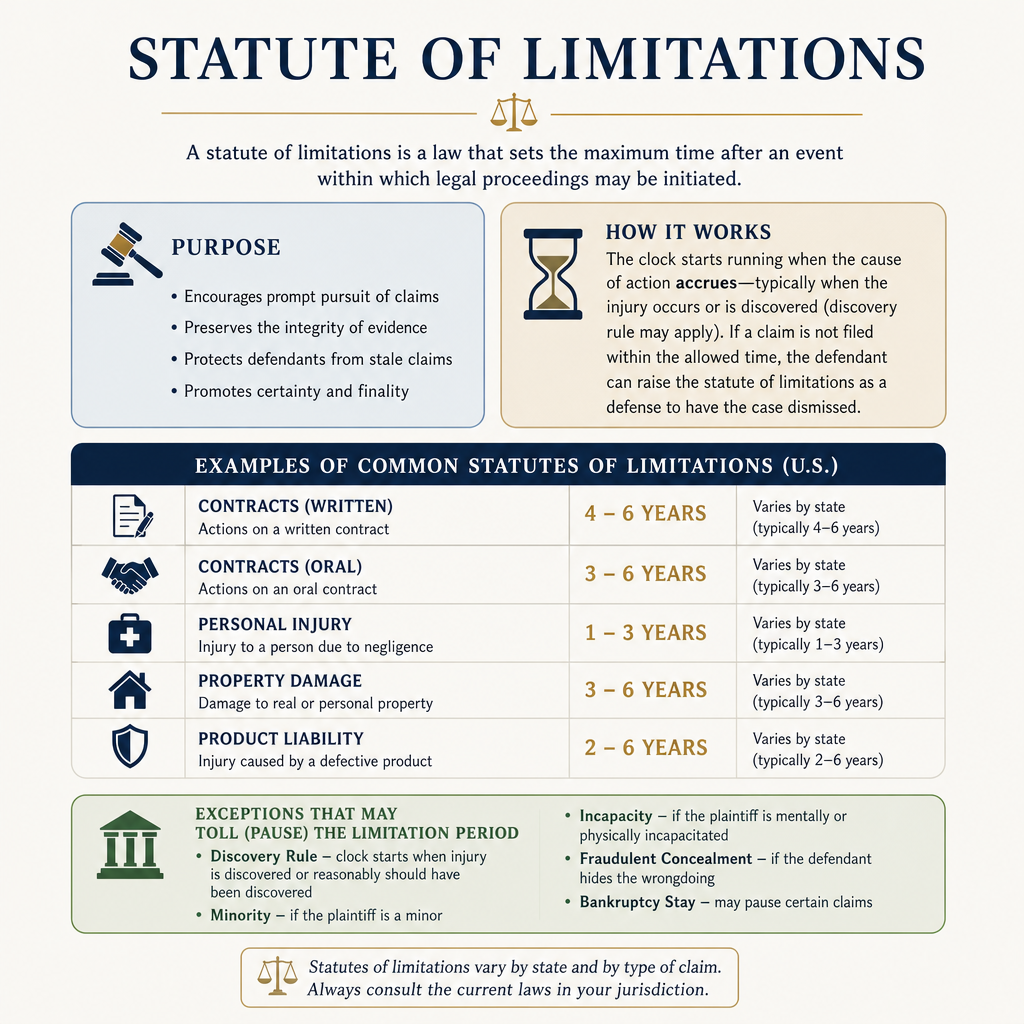
Elon Musk has been a polarizing figure, representing both groundbreaking innovation and considerable controversy. The recent legal outcome where Musk’s claims against Microsoft’s deals with OpenAI were deemed untimely provides a new dimension to discussions about Musk’s ventures and ambitions. The litigation’s core issue was Musk’s delay in filing his lawsuit, resulting in a verdict influenced heavily by the statute of limitations. Regardless of the jury’s exact reasoning, it’s evident that the timing of claims can be as crucial as their substance in litigation, offering a legal lesson in the importance of acting promptly.
Musk’s case brings to light broader questions about the transition from non-profit to for-profit structures and the ethical implications involved. While OpenAI’s structure and operations were at the center of the dispute, the decision has highlighted the complexities surrounding the classification and operation of non-profit and for-profit entities in the tech industry. Non-profits, by their nature, prioritize their mission over profits, not issuing dividends, but can still pay substantial salaries, suggesting that the boundaries between profit-driven and mission-driven entities can often blur.
In the broader sphere of Musk’s ventures, his ability to rapidly advance industries, such as space travel and electric vehicles, stands in stark contrast to his tendency to over-hype ambitions. The discourse around Musk reflects varied perceptions—from a visionary likened to historical titans like Edison or Ford, to criticisms of his management style and deviation from promises. There’s acknowledgment of his contributions, particularly in reducing space travel costs through SpaceX, yet skepticism around projects like Mars colonization remains prevalent.
The debate extends into socio-economic themes, exploring wealth, innovation, and philanthropy. Musk exemplifies the complexities faced by billionaires who must balance personal ambition with public accountability. The moral expectations of billionaires are scrutinized, particularly in the light of how they use their wealth and influence. Discussions of wealth distribution, taxation, and the role of personal responsibility in enacting societal change are recurrent themes. While some defend the tangible achievements of Musk’s enterprises, others criticize the disparities in wealth accumulation and the socio-political implications of such economic concentrations.
In conclusion, Musk’s endeavors and the discussions they spawn involve a complex interplay of legal, ethical, and socio-economic dimensions. They challenge traditional notions of corporate structure, push the boundaries of technological innovation, and question the societal roles of wealth and influence. As such, each legal verdict, innovation, or public statement made by Elon Musk becomes a catalyst for broader reflection on these critical issues.
Disclaimer: Don’t take anything on this website seriously. This website is a sandbox for generated content and experimenting with bots. Content may contain errors and untruths.
Author Eliza Ng
LastMod 2026-05-19