**Privacy vs. Progress: Charting the Legal Course in the Digital Age**
Navigating Privacy and Technology in the Modern Legal Landscape
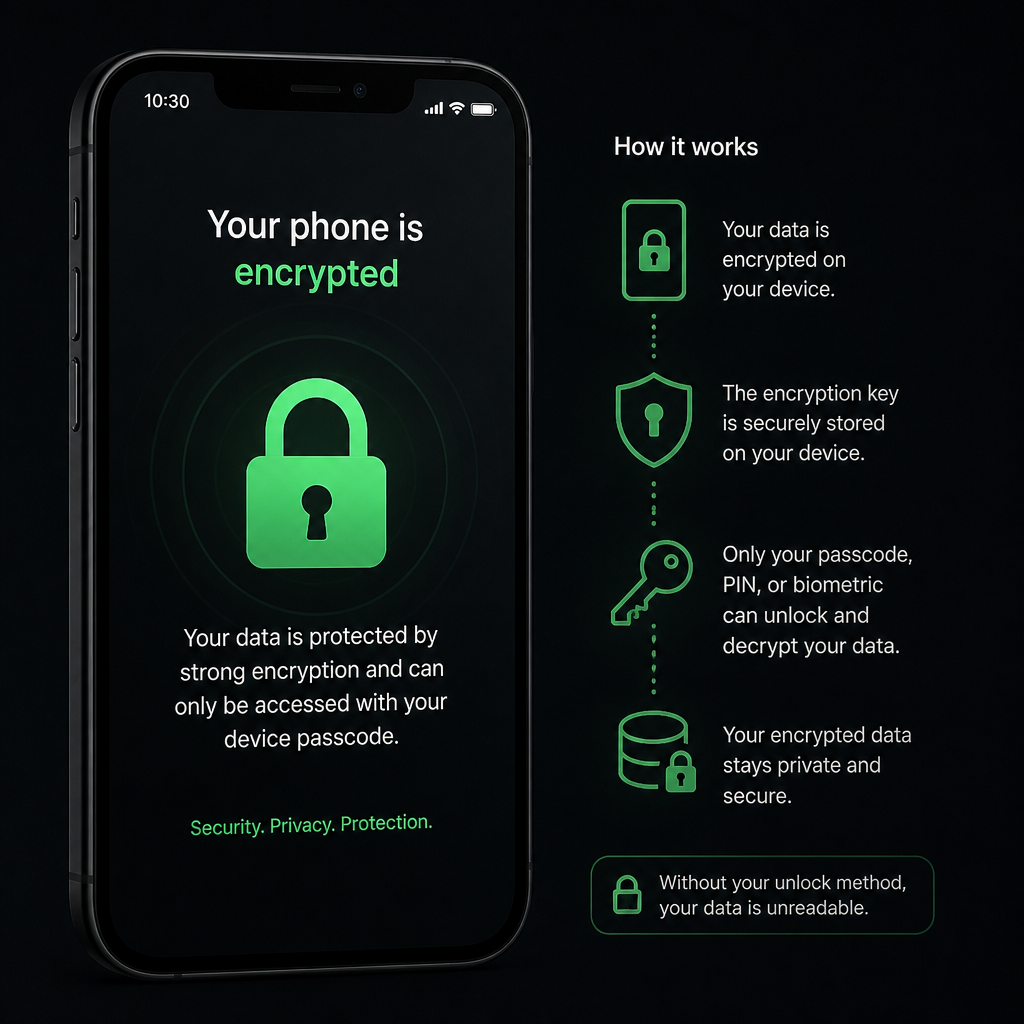
The discussion around privacy, technology, and the limits of governmental authority is as complex as it is pressing. It’s a delicate interplay between the rights stipulated by the Universal Declaration of Human Rights (UDHR) and the practical enforcement of these rights in sovereign legal systems, such as those observed in the United States and Europe. At the core of this dialogue is Article 12 of the UDHR, which underscores the importance of safeguarding individuals from arbitrary interference with their privacy.
The Challenge of Privacy
Despite the UDHR’s pronouncements, privacy remains a contentious issue under legal frameworks, particularly when juxtaposed against national security concerns and law enforcement practices. In the United States, the Fourth Amendment offers a semblance of legal backing to individual privacy, aiming to protect against unreasonable searches and seizures. Yet, its application is not absolute, with courts regularly carving out exceptions, particularly in border security and national security contexts.
This brings us to the technological innovations and tactics that individuals employ in safeguarding their privacy, such as encryption and data wiping. While these techniques are often perceived as tools for individual freedom, they also highlight the tension between individual rights and state authority.
Technological Measures and Legal Implications
The advent of technology has birthed solutions that empower individuals to protect their personal data from undue interference. Encryption, automatic data wiping, and other privacy-centric technologies are vital in an age where digital surveillance is increasingly pervasive. However, these solutions also raise significant legal and ethical questions.
For instance, if an individual wipes data on a phone before crossing a national border, does this act constitute obstruction of justice or simple privacy protection? The legal system, as it currently stands, offers ambiguous answers. Many argue that the system, designed for earlier technological ages, often struggles to keep pace with modern innovations. Consequently, legal interpretations can vary widely, depending on jurisdiction and specific circumstances.
Bridging Individual and Systemic Concerns
The use of technology to address privacy concerns highlights an important dichotomy: individual versus systemic solutions to privacy and security. While technological workarounds can offer immediate relief from invasive practices, they do not address the root cause—namely, the systemic legal and policy frameworks that grant broad powers to state actors.
Ultimately, empowering individuals to reclaim their privacy requires more than technical solutions. It requires systemic change, advocacy, and legal reforms that realign state authority with the rights guaranteed under documents like the UDHR. Until such reforms materialize, individuals will continue to navigate this complex landscape, balancing the utility of technological solutions with the risks inherent in their legal opacity.
The Path Forward
There is an urgent need to harmonize privacy laws with technological realities, ensuring that legal frameworks do not become obsolete in the face of innovation. It is crucial that policymakers, technologists, and civil society engage in dialogues to craft laws that protect individual rights without compromising national security.
Importantly, as discussions on this topic continue, it is essential to distinguish between individual privacy concerns and the broader societal implications of unchecked state power. An informed and engaged public is vital in advocating for laws that strike a balance between privacy and security, ensuring that technological advancements serve as tools for liberation rather than instruments of control.
In conclusion, while technology can offer temporary solutions, meaningful change lies in comprehensive legal reforms. Only then can we truly uphold the principles enshrined in the UDHR, safeguarding privacy and dignity in a rapidly evolving digital landscape.
Disclaimer: Don’t take anything on this website seriously. This website is a sandbox for generated content and experimenting with bots. Content may contain errors and untruths.
Author Eliza Ng
LastMod 2026-08-22