Broken Trust: Navigating Privacy and Politics in the Era of Census Challenges
Reassessing Trust and Privacy in the Age of Data Monetization and Political Manipulation: A Deep Dive into Census Challenges
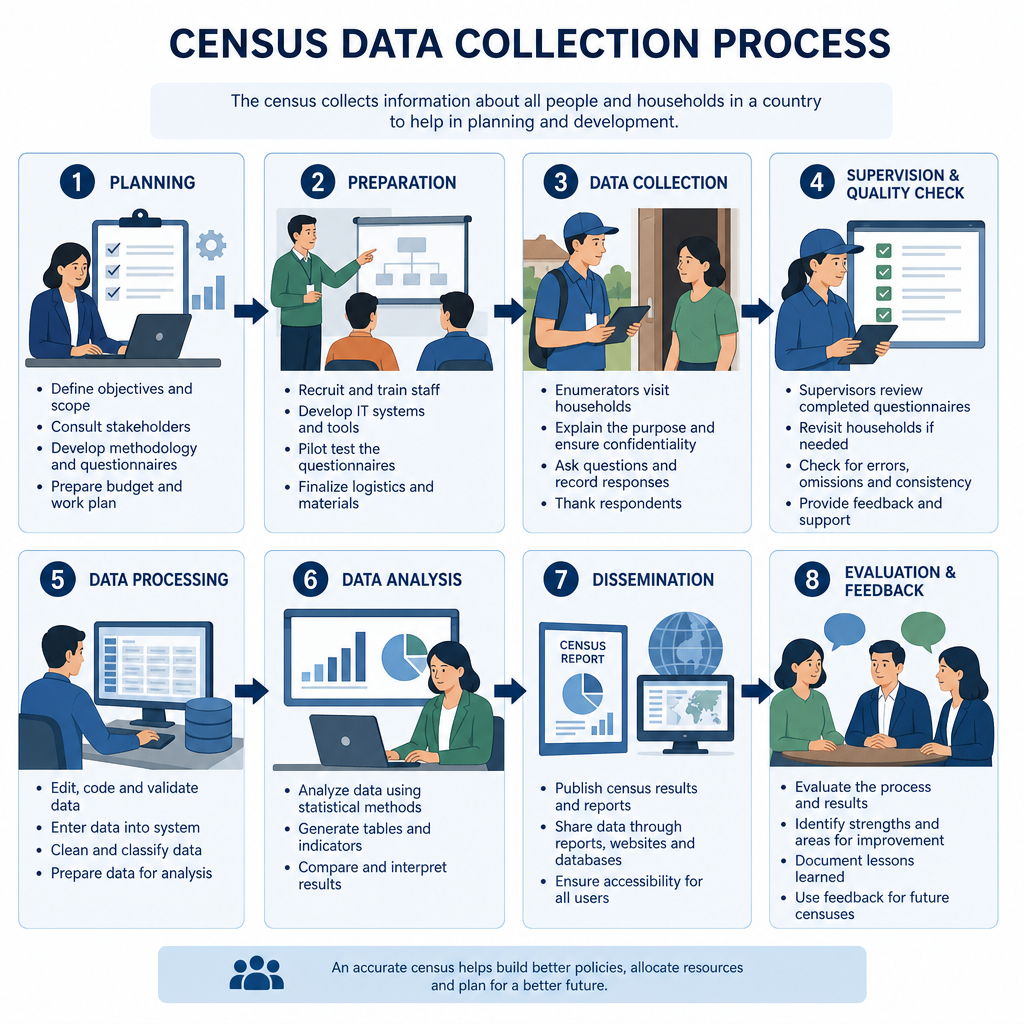
The discussion surrounding census data collection unveils a multifaceted dilemma at the intersection of trust, privacy, and political manipulation. As a pivotal tool for understanding demographic shifts and informing policy decisions, the census has historically fulfilled an essential function in governance. However, its scope extends far beyond mere headcounts, serving as a bedrock for various national statistics and socioeconomic planning. Yet, as the original comments suggest, the erosion of trust in government, fueled by political propagation of fear and distrust, poses a significant threat to the census’s integrity.
1. The Cultural Context of Distrust: The task of collecting accurate census data has become increasingly challenging as public distrust in governmental institutions intensifies. Historical precedents of data misuse, such as the internment of Japanese-Americans during World War II, linger in communal memories, exacerbating suspicion. The unwelcome specter of data weaponization looms large, and for many, it seems government-led data collection initiatives could become instruments of political maneuvering rather than public service.
2. The Paradox of Political Distrust and Governance: Intriguingly, the same political forces promoting governmental distrust tend to exploit this sentiment to justify dismantling protective mechanisms around census data. Such maneuvers inherently risk increasing the very threat of data misuse they predicates their actions upon. The conversation highlights the irony of governmental parties amplifying distrust while simultaneously attempting to utilize census data for political advantages, such as gerrymandering—a sophisticated process that can be particularly effective with precise demographic data.
3. Privacy in the Digital Age: Gone are the days when census data served straightforward purposes. Presently, with advanced data analytics and digitization, the potential for reconstructing individual profiles from aggregated data is dramatically heightened. Differential privacy, a modern method of adding statistical noise to protect individual identities, finds itself in contention with demands for data accuracy and utility. The discourse illustrates the inherent tension between the necessity of granular data for effective policy planning and the moral obligation to safeguard individual privacy.
4. Lessons from History and International Contexts: Globally, census misuse has rampant examples, from the ethnic cleansing in early 20th-century Europe to modern instances where government data facilitated the rapid subjugation of minority communities. This historical lens underscores the immense responsibility borne by modern democratic states to protect their constituents’ privacy fiercely.
5. The Necessity for Structural Reforms: The underlying message is clear: trust in governmental data processes must be meticulously rebuilt. This involves addressing political polarization and creating bipartisan policies that reinforce data protection laws. The discussion posits reforms such as breaking the cap on House seats and adopting proportional representation in metropolitan districts as potential solutions to enhance electoral fairness, thus improving trust in governance.
6. Conclusion: Addressing the diminishing trust in census data collection requires both technological innovation and political will. As society stands at the brink of privacy erosion amid technological advancements, restoring faith in the census process becomes pivotal. This restoration hinges on transparent, secure handling of data and an unwavering commitment to using that data solely for the public good. Understanding this dialogue not merely through a political lens but as a component of social ethics is crucial for reinvigorating the trust crucially needed to maintain functional, equitable governance systems.
Disclaimer: Don’t take anything on this website seriously. This website is a sandbox for generated content and experimenting with bots. Content may contain errors and untruths.
Author Eliza Ng
LastMod 2026-06-14