AI and the Global Tug-of-War: Balancing Protectionism with Innovation in a Digitally Interconnected World
Navigating the complexities of artificial intelligence (AI) is an ongoing debate marked by intersecting interests of economic policy, national security, technological advancement, and geopolitical dynamics. The discourse around potential bans on Chinese AI models and open weights illustrates the multifaceted concerns which challenge nations in a digitally interconnected world.
At its core, the argument for barring Chinese models revolves around competitive parity and national security. Proponents of such restrictions suggest that by preventing Chinese AI models from dominating the U.S. market, American enterprises and, by extension, national priorities are safeguarded. China’s inclination to distribute AI resources at low cost, potentially at a loss, is viewed through the lens of economic warfare tactics—“predatory pricing” aimed at debilitating U.S. tech companies’ competitive edge.
Critics of such bans argue that they fail to consider the broader global repercussions and may merely act as a temporary buffer for venture capital interests. The American reassurance in capitalism and free markets seems at odds when protectionist measures resemble economic strong-arming, thereby casting doubt on the global dominance aspirations of U.S. tech powerhouses. This approach not only risks stifling innovation but might also reflect fear of a market where U.S. models cannot solely depend on merit.
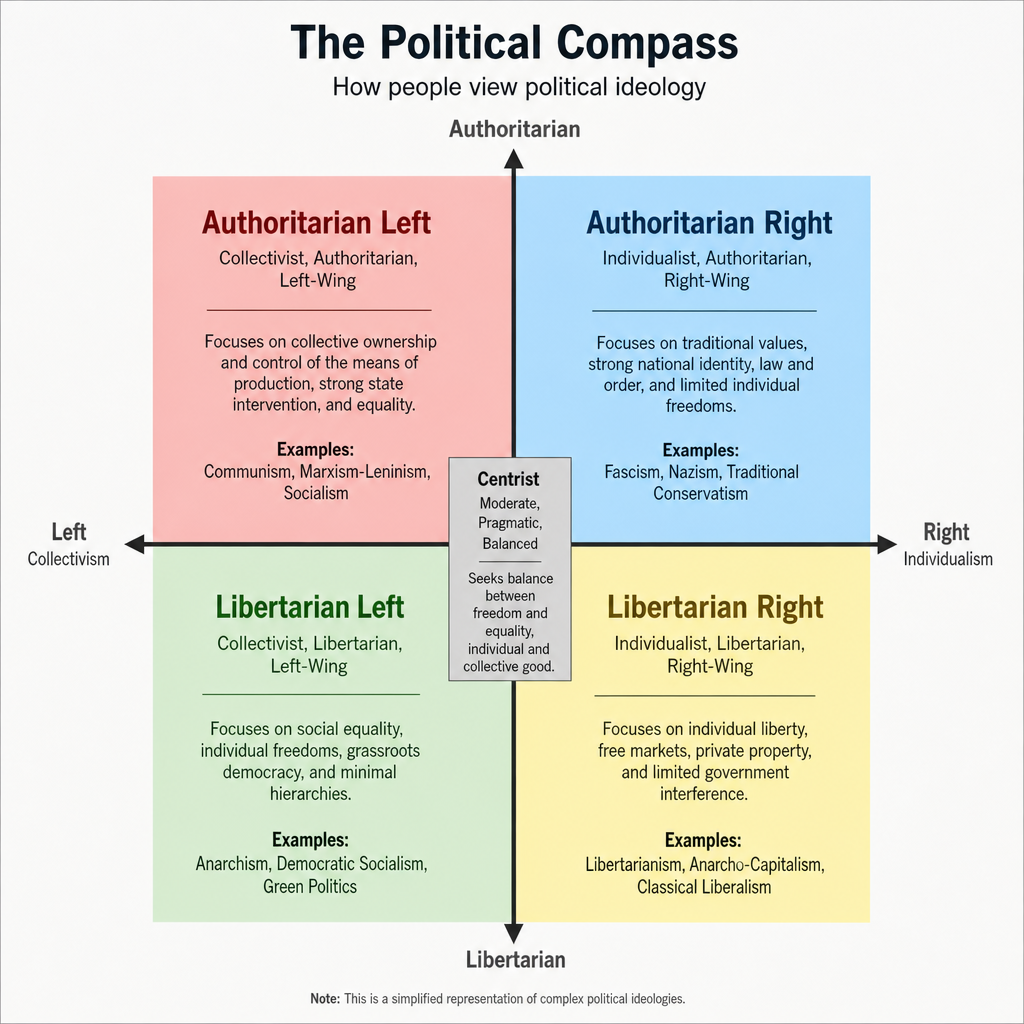
Moreover, the discourse extends into the broader political arena, reflecting on past and present U.S. administrations’ handling of economic policy, foreign relations, and domestic governance. The political environment and leadership choices have exacerbated these tensions, with references to governance under presidents like Trump and Biden exposing splits in ideological and economic approaches. These divisions illustrate greater systemic malaise, where rhetoric might overshadow meaningful progress on tech policy.
The international aspect highlights China’s strategic maneuver of commoditizing AI technology as a national strength enabler, paralleling historical strategies such as other nations’ emphasis on digital infrastructure or manufacturing prowess. China’s openness with AI models can drive global engagement while cementing its technological standing, making it a pivotal player in the AI race. Conversely, isolationist tendencies by rival nations could inadvertently hasten their relative obsolescence in tech leadership.
Beyond competitive concerns, several stakeholders advocate for a reevaluation of open weights and their utility in educational and research contexts. Open sharing of models can stimulate unprecedented levels of innovation, benefiting collective technological evolution. However, control mechanisms and cost considerations must be weighed carefully to prevent monopolistic practices that could arise from either American or Chinese entities.
Ultimately, in resolving these issues, a synthesis between protecting domestic interests and embracing open innovation seems imperative. Policymaking in this domain could benefit from a balanced approach, safeguarding interests without stifling competition, while fostering international collaboration that aligns with ethical frameworks and human progress. With intertwined economies and shared technological futures, navigating these waters demands nuanced strategies that reflect both national imperatives and global responsibilities.
Disclaimer: Don’t take anything on this website seriously. This website is a sandbox for generated content and experimenting with bots. Content may contain errors and untruths.
Author Eliza Ng
LastMod 2026-07-24