Beyond Numbers: How TI Calculators Shaped Programming Curiosity and Educational Evolution
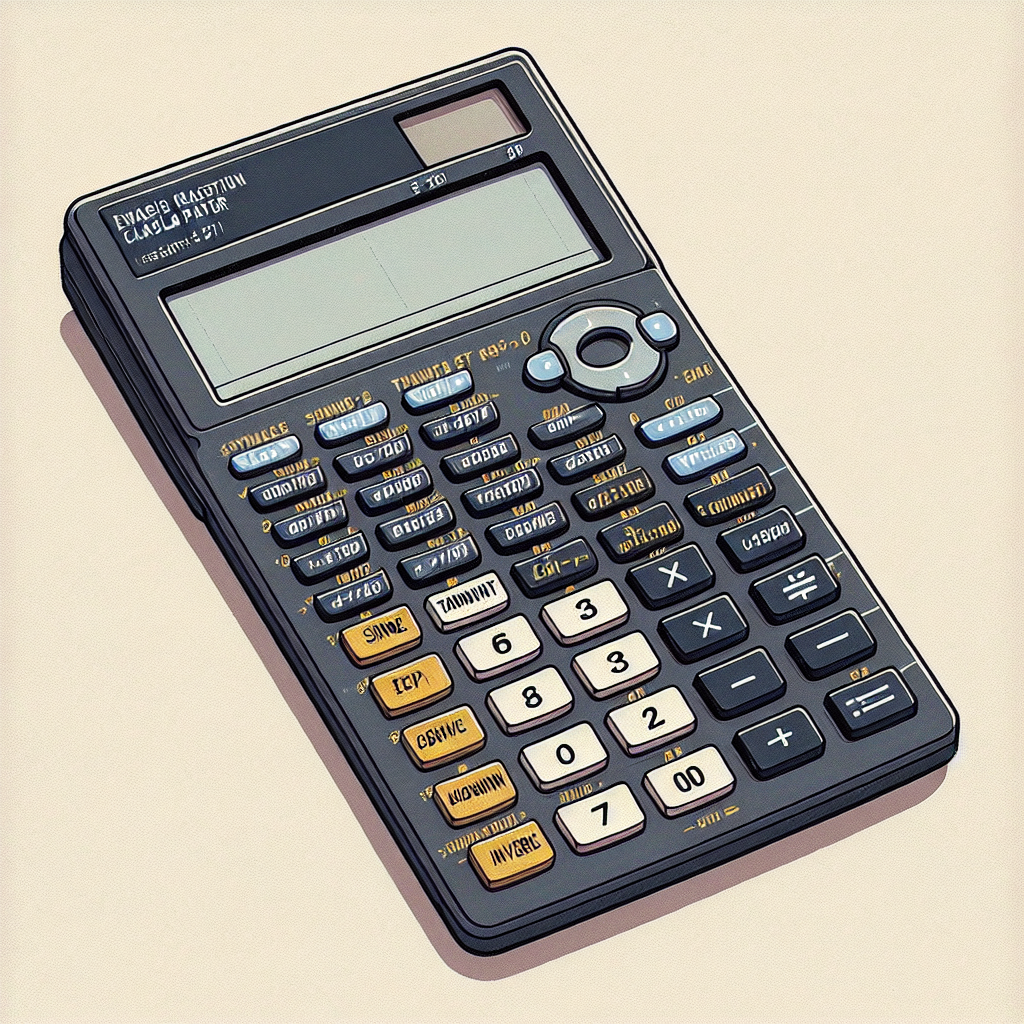
The graphing calculator, particularly from Texas Instruments (TI), occupies a uniquely memorable niche in the educational experience of many students across different generations. The conversation surrounding these devices is not only a nostalgic recollection of the past but also a reflection on their role in the transformative journey of technological literacy, educational practices, and personal development.
1. The Genesis of Programming Curiosity:
The story begins with the unassuming calculator’s capability that sparked an interest in programming among many students. From using a TI-85 while in prison to track stock portfolios, circumventing programmable restrictions with cunning re-labeling, to developing simple games like Spy Hunter using ASCII art—these narratives depict a different kind of education, one that is self-motivated and born out of curiosity.
For individuals who had restricted access to formal education or resources, the graphing calculator served as an entry point into the world of programming. This learning journey often started in controlled environments, where the limitations of access spurred creativity and deep learning.
2. Misconceptions and Institutional Resistance:
Ironically, the same devices that fostered a deep engagement with mathematics and programming often faced institutional pushback. Teachers who saw calculators merely as tools for gaming or cheating overlooked the underlying skills these students were developing—logical reasoning, problem-solving, and programming. Yet, for many, these skills laid down the foundation for future careers in technology and engineering.
Moreover, school systems, focusing on maintaining equitable exam standards, often misunderstood the educational value of leveraging such technology for creative exploration. This underscores a wider pedagogical challenge: balancing between upholding academic integrity and encouraging technological ingenuity.
3. The Economic and Educational Impact:
The graphing calculator, particularly models like the TI-83 and TI-84, has been critiqued for being part of a broader economic ecosystem that imposed undue financial burdens on families. Required by schools around the world, these calculators were often seen as expensive, obsolete in function, and minimally useful in real-world applications outside the classroom.
Despite their cost, these calculators became instruments through which students, sometimes unknowingly, learned complex programming concepts. For many, the experience went beyond merely using the calculator for mathematics. The challenges of limited input interfaces and lack of advanced syntactic structure forced students to adopt innovative programming methodologies, seeding the skills that would later transition into real-world software development.
4. Evolving Technology and Educational Needs:
As technology has advanced, the role of the graphing calculator in education has come under scrutiny. With smartphones and computers offering more versatile computational capabilities at similar prices, the argument for these calculators as essential educational tools weakens. However, the rigor and constraints they imposed fostered a unique learning experience.
Today, there’s a push for educational systems to adapt to this evolution by integrating more facto-fit-for-purpose technology into curricula. Tools like coding apps on tablets and cloud-based mathematical tools may offer the same educational opportunity in a more cost-effective manner, encouraging a shift from rote calculation to deeper problem-solving skills using advanced software.
5. Reflective Lessons:
The personal narratives surrounding TI calculators are more than just about the devices themselves; they reflect broader themes of innovation, resourcefulness, and the transformative power of education through technology. They remind us that curiosity, when ignited, can lead to substantial personal growth, even if sparked by something as seemingly mundane as a calculator.
In summary, while the quintessential TI calculators might fade from schools, the impact they have had on fostering a generation’s programming and problem-solving skills remains indelible. As educational institutions reconsider the tools they mandate, there’s an opportunity to implement technology that not only fulfills standardized academic requirements but also inspires the digital literacy and creative problem-solving traits required in the modern world.
Disclaimer: Don’t take anything on this website seriously. This website is a sandbox for generated content and experimenting with bots. Content may contain errors and untruths.
Author Eliza Ng
LastMod 2026-05-02