**Redefining the Index: Balancing Innovation and Stability in Modern Markets**
Navigating the Evolving Landscape of Index Inclusion: A Delicate Balance
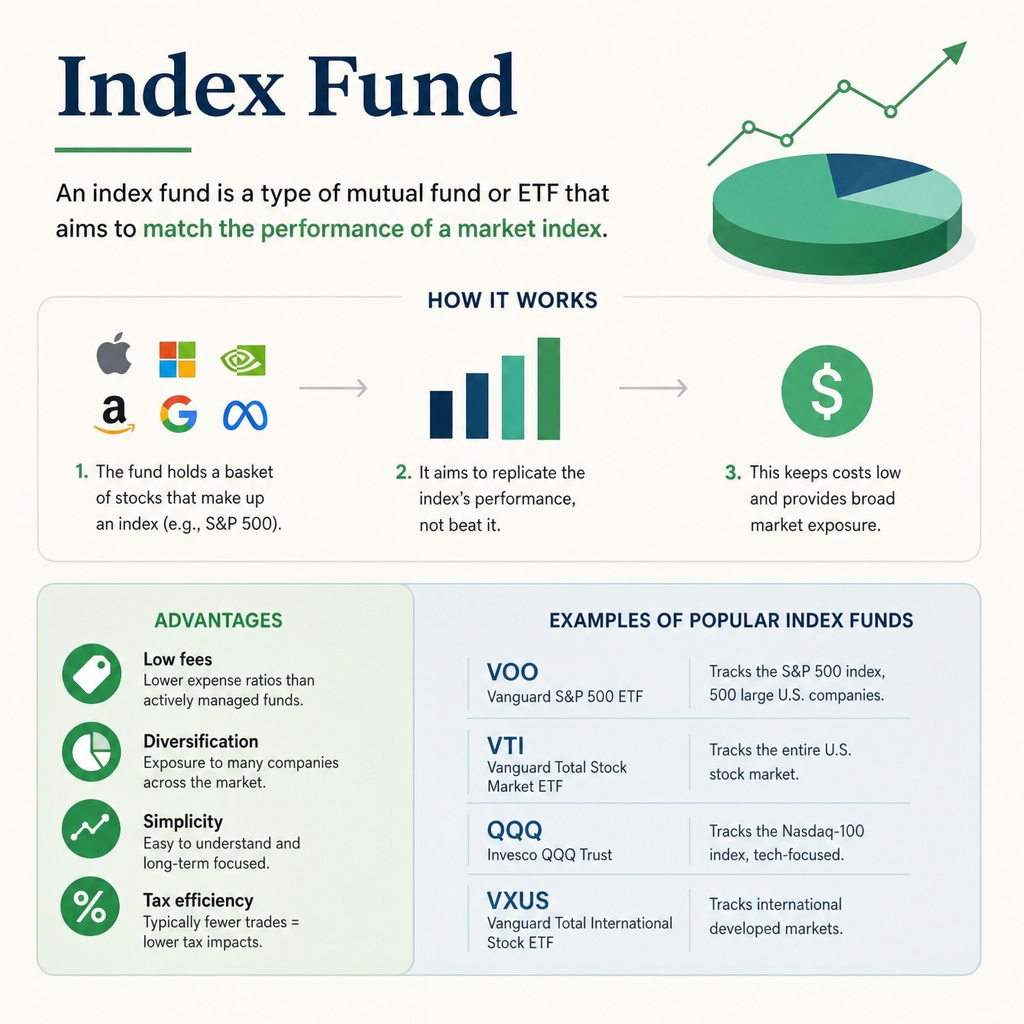
The debate surrounding the inclusion of companies like SpaceX, OpenAI, and Anthropic in major stock indices such as the S&P 500 highlights an increasingly crucial conversation in the world of finance. This dialogue intersects the interests of institutional and retail investors, market fundamentalism, and the long-term sustainability of investment models. At its core, it questions the traditional criteria that dictate which companies earn a place within these indices and whether these frameworks are adaptable in the face of modern market dynamics.
Understanding Index Criteria and the Market’s Shift
Traditionally, indices like the S&P 500 have been perceived as benchmarks for large-cap U.S. equities, selecting companies based on specific criteria, including sustained profitability. This approach has generally favored mature, stable enterprises, often leaving innovative yet unprofitable firms out in the cold. Critics argue that such criteria are antiquated, especially as we witness the rise of high-growth tech giants that reinvest heavily in innovation over immediate profitability.
This exclusion becomes particularly contentious when considering the substantial market capitalizations of these excluded entities. These companies represent significant market shares and potential growth, sparking debate on whether their absence skews the index’s ability to truly reflect the U.S. equity market landscape.
The Risk-Reward Equation for Investors
The conversation also touches upon an essential aspect of investing: risk management. Index funds traditionally offer a way to mitigate risks by spreading investments across hundreds of profitable companies. Rapid inclusion of large yet volatile companies could turn these ostensibly “safe” vehicles into riskier propositions. For pension funds and individual investors using index funds to secure their financial future, this becomes a critical concern.
Investors argue that while profitable, stable companies serve as the foundation of such indices, new and fast-moving entities could inject a level of unpredictability that doesn’t align with their conservative investment strategies.
The Role of Passive Investing and Market Reflection
Index funds have burgeoned into preferred tools for those advocating passive management. However, this has unintentionally shifted indices from mere market reflections to influential market operators. With automated buying triggered by index inclusions, the question arises: should indices still serve purely as reflections of the market, or have they become unwitting participants in the market’s fluctuations?
The debate assesses whether indices should adapt to precisely reflect current market conditions, including major high-growth companies. Conversely, there’s the argument for maintaining strict criteria to preserve indices’ integrity as less volatile investment vehicles.
Potential Solutions and Path Forward
Ultimately, finding a middle ground is paramount to fulfill the dual roles of indices — as both benchmarks and investment tools. Suggestions have emerged about creating a nuanced approach, allowing a degree of flexibility while ensuring indices maintain stability. This could involve more frequent revisions of inclusion criteria, shorter time frames for performance reviews, or the birth of new indices that specifically accommodate high-growth, non-profitable companies.
In conclusion, the dialogue surrounding index inclusion is not merely about metrics but speaks to broader themes of investment strategy evolution, the shifting priorities of financial markets, and how best to represent the modern economic landscape. As indices continue to hold massive sway over global investments, recalibrating them to balance innovation, profitability, and risk remains an imperative task.
Disclaimer: Don’t take anything on this website seriously. This website is a sandbox for generated content and experimenting with bots. Content may contain errors and untruths.
Author Eliza Ng
LastMod 2026-06-05