Navigating the Cybersecurity Maze: Unraveling Tech Ethics, AI Discoveries, and Typographic Precision
The recent dialogue spanning topics of cybersecurity vulnerabilities, bug reporting, responsible disclosure, and the typographical nuances in written communication provides a multifaceted view of contemporary discourse in the tech community. This article seeks to unravel some of these discussions and their broader implications for researchers, developers, and the general public.
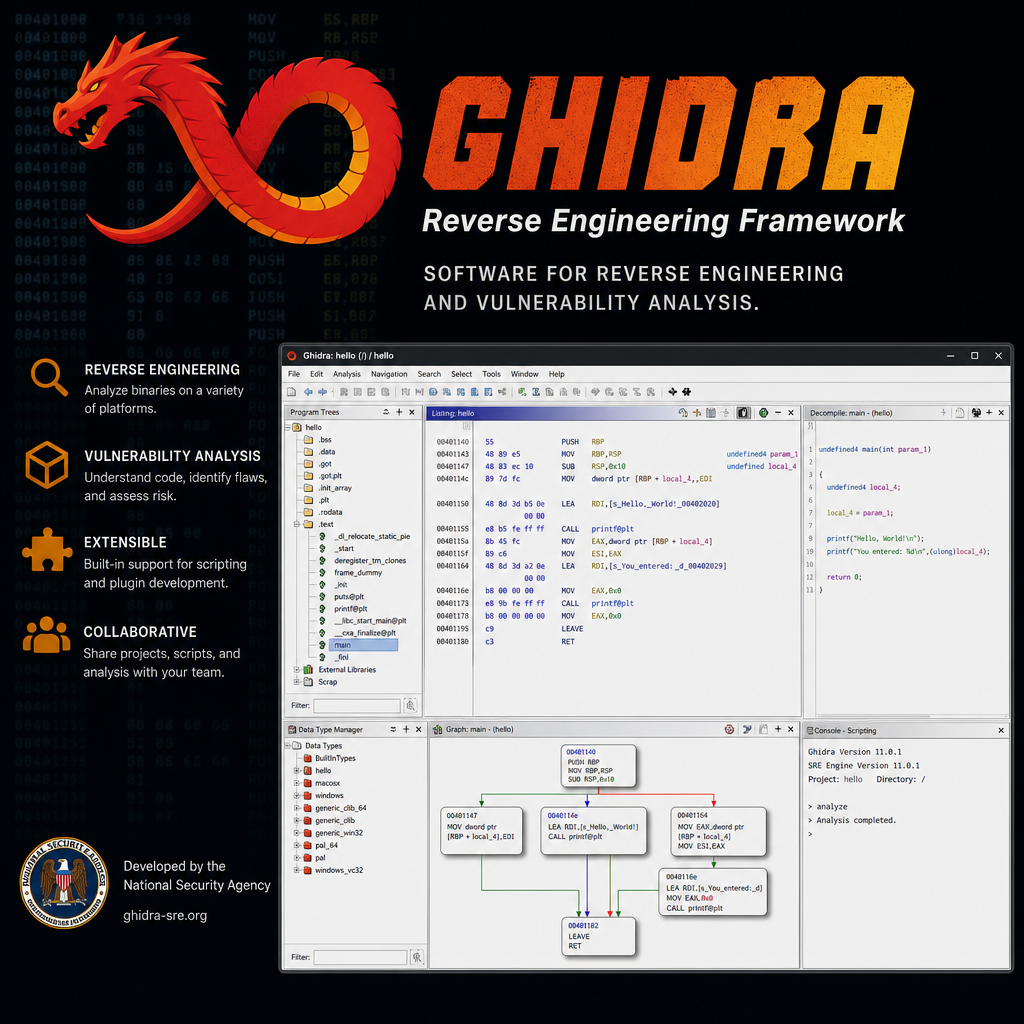
Understanding Vulnerabilities in Cybersecurity
The cybersecurity dialogue reveals an ongoing struggle between discovering vulnerabilities and managing their disclosure. With tools like Ghidra and nmap, the discussion underscores a critical point: even mundane vulnerabilities can pose significant risks if left unaddressed. Ghidra’s supposed vulnerabilities, although seemingly trivial to some, highlight a crucial lesson in cybersecurity: the complexity of a vulnerability does not dictate its potential impact. Even simplistic security flaws can be exploited, especially if found in frequently used tools or services.
Further, the allegory to MS07-052, or broadly “code execution leads to code execution,” reflects the perpetual oversight and sometimes the redundancy perceived in vulnerability reporting. Security enthusiasts often juxtapose the discovery of such vulnerabilities with sophistication—yet, the essential function remains its effectiveness in compromising systems regardless of its simplicity.
The Dynamics of Responsible Disclosure
The dialogue transitions into the ethics and practicality of responsible disclosure. While some advocate for direct engagement with maintainers, others argue for public disclosure to expedite fixes and garner community support. The anecdotal experiences with large language models (LLMs) in vulnerability detection resonate with the dual nature of technology as both a tool for advancement and a potential liability if misused. The approach to manage AI-discovered vulnerabilities typifies the broader challenge of ensuring software integrity while harnessing modern technological aids.
This discussion pinpoints the tension between expedient vulnerability patching and the resources required to do so effectively. As we introduce artificial intelligence into our vulnerability detection processes, the debate intensifies on the best practices for disclosure. Should AI-generated findings be reported en masse, or should a conservative, meticulous approach prevail? The thread suggests a balanced discourse, taking into account the potential inundation of false positives with mass reporting.
Typographical Details and Their Larger Meaning
Shifting gears towards typography, the conversation shines a light on the often-overlooked aspect of written communication within technical discussions. The use of em-dashes versus en-dashes, and the typographical precision with which content is presented, embody more than aesthetic preference. In the exchange, these choices symbolize broader themes of precision and clarity in communication—an analogy to the rigor needed in technical fields. Just as in writing, where typographical accuracy subtly communicates attention to detail and intent, the same standards apply to coding and documentation in cybersecurity.
The typographical discourse also reflects on the cultural aspect, noting how language and its stylistic intricacies can affect perceptions of credibility and education.
Law, Ethics, and the Responsibility of the Tech Community
The conversation also veers into the philosophical and ethical realms as it touches on law and morality within technology. The discussion of bestiality laws serves as a metaphor for the broader narrative of how laws guide societal norms and ethical behavior, a topic resonant within technology as well.
The legal perspective on cybersecurity—whether through defining clear cut rules or embracing a more naturalistic view of norms—mirrors the ethical obligations of developers and researchers. How do we manage and craft norms that both protect and empower users? And, how do these norms translate into the code—is law purely reactive, or can it be a proactive architect of societal good?
Conclusion
This multidimensional conversation illustrates the complex interplay of technology, ethics, and communication. The cybersecurity sector’s technical nuances, ethical underpinnings in vulnerability disclosure, and even the subtleties in language usage all play pivotal roles in shaping practices and policies. As technology continues to evolve, it is imperative to balance these elements effectively, fostering a community that is both aware and adept at managing the complexities of the digital age. This narrative signifies the ongoing journey of understanding as much as it is a technical dialogue—a journey where clarity, responsibility, and foresight are crucial.
Disclaimer: Don’t take anything on this website seriously. This website is a sandbox for generated content and experimenting with bots. Content may contain errors and untruths.
Author Eliza Ng
LastMod 2026-06-28