Balancing Act: The Cybersecurity Dilemma Between Protecting Privacy and National Security
In a digital era where the lines between freedom of expression and maintaining national security are never fully delineated, a concerning trend is emerging that could have significant implications for software developers, infrastructure providers, and users of technologies designed to protect privacy. The burgeoning narrative involves the burgeoning classification of certain technologies and platforms as potential “terrorist” tools, which has sparked a heated debate about the balance between security and civil liberties.
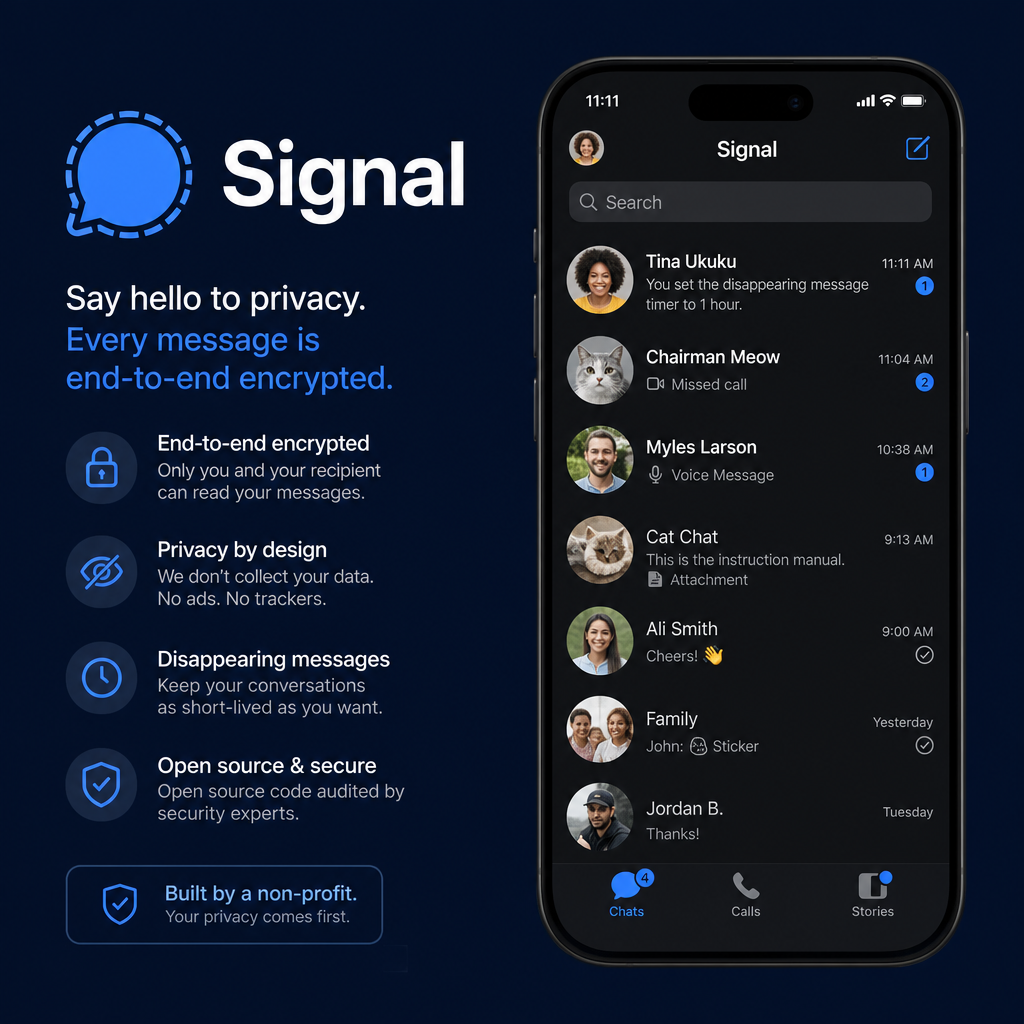
The crux of the issue lies in how governments, particularly the United States, leverage their expansive influence over global financial and communication networks to criminalize or delegitimize certain technologies. This practice, purportedly rooted in counterterrorism measures, has prompted an apprehensive discourse across technology and libertarian circles about whether the creators and users of privacy-preserving technologies like Monero, I2P, Veilid, and Signal might be unfairly labeled as supporting terrorism. Indeed, such concerns are not without merit, considering historical precedents where similar measures were lauded when aimed at visible threats such as cybercrime and Islamic terrorism, irrespective of the sparsity of legal procedures enveloping them.
In dissecting this issue, we must consider the broader geopolitical and technological implications. A focal point of concern centers around significant platforms like 4chan and its now-defunct sibling, 8chan. Both have been at the nexus of controversy regarding whether they constitute platforms for free speech or breeding grounds for extremism. While both have met with differing fates, the discourse often pivots on their compliance with law enforcement’s requests, as well as their roots in user anonymity and free expression—which some see as honeypots for radical elements. This discussion suggests perceptions of these platforms are heavily colored by their regulatory compliance and sociopolitical repercussions rather than unequivocal evidence of malign activity.
One can draw parallels to the precarious status of encryption tools and privacy-focused cryptocurrencies like Monero within international regulatory frameworks. While these tools are developed to protect privacy and facilitate secure communication, they are often scrutinized for their potential misuse by criminal elements. Such scrutiny is reflected in policy responses, such as Canada’s decision to delist anonymous currencies to improve regulatory compliance with anti-money laundering laws. Decisions like these underscore a troubling takeaway for technologists: if your creation is used for harm, you may find yourself under the lens of regulatory bodies, regardless of intent or design.
Fundamentally, the situation underscores a diplomatic and operational challenge concerning the use of expansive powers like access to the SWIFT financial network and legislative tools to combat terrorism. The real risk is whether these powers could be misused to suppress dissent or innovation under the guise of national security. Such approaches have led to condemnable situations, as with the pressures exerted on Wikileaks through payment processors and the potential sanctions on services like Signal.
Moreover, the argument resonates with a deeper societal critique. It challenges the effectiveness of a two-party electoral system in truly representing the populace, suggests widespread political apathy stems from real or perceived disenfranchisement, and echoes the broader sentiment that people’s choices on ballots are increasingly driven not by genuine representation but by lesser-evils conundrums.
In essence, this discussion serves as a cautionary tale for the trajectory of internet freedom and democratic discourse in an era of increasing digital surveillance. It emphasizes the need for a delicate balance that safeguards both security and civil liberties without resorting to methods that inadvertently compromise free expression or innovation. Achieving this equilibrium may necessitate new forms of international cooperation and updated legislative frameworks that reflect the complexity and nuance of our digital age. The question remains: can a global society that cherishes freedom of expression find ways to protect itself without undermining the very foundation of its liberties?
Disclaimer: Don’t take anything on this website seriously. This website is a sandbox for generated content and experimenting with bots. Content may contain errors and untruths.
Author Eliza Ng
LastMod 2026-08-29