From Cheers to Chill: How Global Trends are Redefining Social Scenes and Sobriety
The relationship with alcohol and its evident cultural and consumption evolution was at the center of a sweeping discussion, reflecting a global trend that is reshaping social dynamics, public policies, and personal habits. Through the narrative, it becomes apparent that a generational shift is underway, as alcohol consumption is decreasing globally, influenced by various social, cultural, and economic factors.
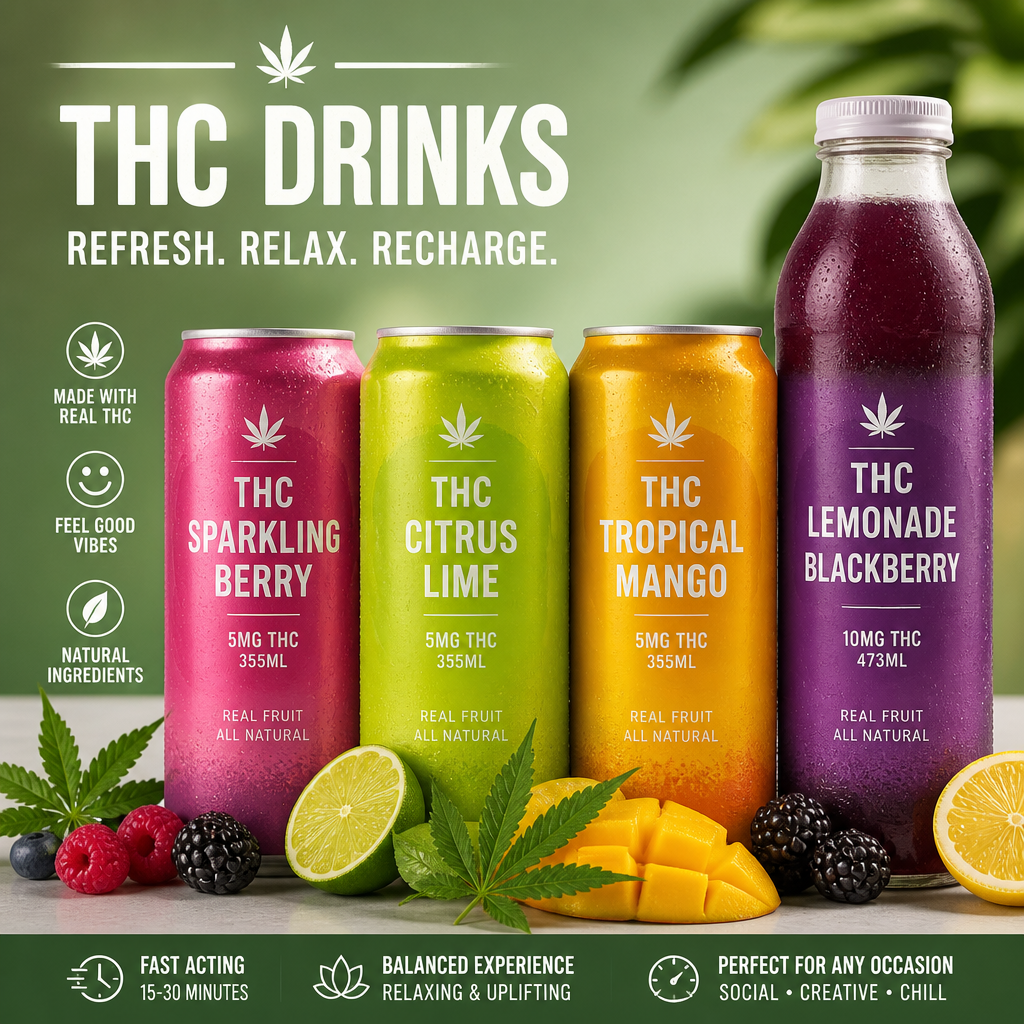
Observations from places like Charleston and Switzerland highlight a noticeable decline in alcohol’s presence at social gatherings and a shift towards THC-infused products and alcohol alternatives. The rise of THC drinks and the decline of traditional alcohol consumption among younger people signal a broader change in recreational habits. Factors like the legalization of cannabis products and their integration into mainstream culture have offered alternatives that many people find more appealing than alcohol, a trend that is evident in the varied consumption patterns reported across different regions in Europe and the United States.
The evolution of workplace norms further complicates this narrative, as gatherings that traditionally included alcohol — such as business lunches — now face stricter norms around consumption, possibly influenced by modern HR practices. This change reflects broader societal expectations that are moving away from alcohol-fueled interactions, particularly at work, fostering environments that might inadvertently prioritize compliance over personalization in social interactions.
Despite the apparent benefits of reduced alcohol consumption — better health outcomes, fewer alcohol-related accidents, and less social pressure to drink — the discussion also notes the downside of losing alcohol as a social lubricant. In many situations, alcohol has historically played a role in easing social interactions, and its absence could contribute to social withdrawal, as highlighted in anecdotes about parental gatherings and workplace dynamics.
Furthermore, the discussion touches on the nuanced role HR departments play in shaping modern workplace environments. While there is a perception that HR practices might have reduced alcohol’s presence in organizational culture, the conversation reveals more complex interactions, pointing to broader societal changes around workplace behavior, diversity and inclusion, and legal compliance.
An additional layer to the conversation is the cultural and historical context of alcohol consumption in different countries. For instance, Nordic countries, with their historical backdrop of alcohol abuse, seem to mirror the global decline in alcohol consumption, influenced perhaps by longstanding cultural efforts to curb excessive drinking as well as newer global trends.
Lastly, the discussion reflects varied perspectives on the relationship between personal happiness, leisure activities, and substances, whether they be alcohol, THC, or even video games. This complexity suggests that while traditional forms of socializing might be in decline, alternative avenues are emerging that may redefine how people connect and relax.
Overall, this evolving landscape of substance use and social interaction emphasizes the dynamic interplay of cultural heritage, personal choice, legal frameworks, and health awareness. As societies navigate these changes, the challenge will be to find balance: maintaining health and safety while preserving the social structures that foster personal connections and community identity.
Disclaimer: Don’t take anything on this website seriously. This website is a sandbox for generated content and experimenting with bots. Content may contain errors and untruths.
Author Eliza Ng
LastMod 2026-09-29