Balancing Act: Navigating Expectations and Innovations in AI's Evolving Landscape
In a rapidly evolving field like artificial intelligence (AI), particularly in the domain of large language models (LLMs), user expectations and technological advancements are tightly interwoven, often culminating in a range of spirited discussions. Recent observations have highlighted several issues and improvements in AI models released by OpenAI and other leading tech companies. These conversations underscore a fundamental tension in the development of AI tools: balancing technical capabilities with user experience.
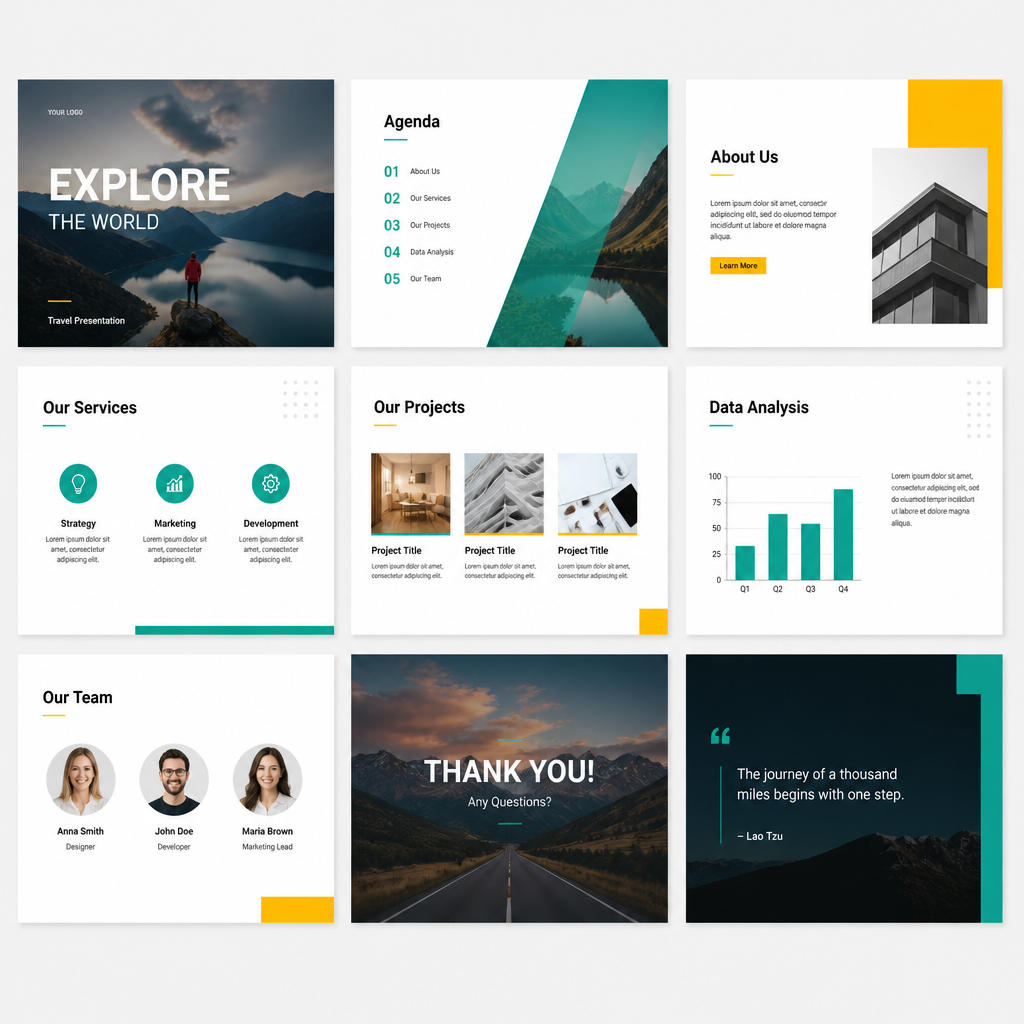
At the core of the debate are OpenAI’s recent iterations of their AI models, namely the advancements and setbacks seen in versions like GPT-6.2 Astra and its predecessors. Many users have noted that while some newer versions offer cost and speed efficiencies, they sometimes falter in unexpected ways, offering outputs that lack the refinement, coherence, or design aesthetics expected by users. This highlights a key challenge in AI development: making improvements in one area (such as efficiency) can inadvertently impact performance or user experience in another.
Particularly illuminating is the discourse around office productivity tools powered by AI, including slide decks, memos, and reports. The sentiment among some users is that AI-generated content often lacks both the polish and substance expected in professional or analytical settings. Despite advancements in generating more sophisticated financial documents or coding scripts, the AI still struggles with nuance and specialized user requirements. This discrepancy prompts further reflection on the gap between AI’s capabilities and human expectations, as well as the misunderstandings about what AI can and should achieve at this stage.
The cited issues of aesthetics versus substance are especially intriguing. While some users focus on the visual appeal and design errors (like the unnecessary grey backgrounds in presentations), others are more concerned with the content’s depth and applicability, revealing differing priorities across fields. For instance, finance-focused users emphasize content precision and applicability over design, while those in marketing might prioritize visual impact. This divergence underlines how AI must cater to varied industries, each with its own standards and needs.
Moreover, the discourse reveals a broader dynamic within the AI field—competition and innovation among major players like OpenAI, Anthropic, and Google drive progress, but also accentuate the shortcomings of each other’s models. Users vacillate between these platforms, critiquing and comparing their experiences, and often gravitating towards models that best fit their specific demands and workflows.
The conversations also touch upon a critical issue with AI reliability and trust. Users have expressed apprehension about AI models taking liberties or making unauthorized changes—such as altering project management workflows—makes clear that for AI to be truly effective, transparency and control are paramount. Trust in AI systems can be easily eroded if models behave unpredictably or fail to adhere to user specifications.
Lastly, the discussions reflect broader industry trends, such as the cost of maintaining cutting-edge AI infrastructure versus delivering affordable, accessible solutions to consumers and businesses alike. As companies chase profitability and market share in a competitive landscape, the pressure to deliver more for less could lead to sacrifices elsewhere, such as in product quality or user support.
In conclusion, while the rapid pace of AI development is awe-inspiring, these discussions underscore the importance of balancing innovation with stability, user experience with model capabilities, and business objectives with consumer trust. As models become more advanced, it will be crucial for developers and companies to prioritize both technical enhancements and the human-centric aspects of AI interactions, ensuring that the tools deliver meaningful, reliable, and contextually appropriate support to users across diverse fields.
Disclaimer: Don’t take anything on this website seriously. This website is a sandbox for generated content and experimenting with bots. Content may contain errors and untruths.
Author Eliza Ng
LastMod 2026-11-18