Power Struggles: Balancing Convenience, Innovation, and Sustainability in the Evolving Battery Debate
In recent years, the conversation around device batteries—whether concerning smartphones, cameras, or cars—has evolved significantly. This shift stems from the growing importance of sustainability, user convenience, and advancing technology. The dialogue is multifaceted, reflecting tensions between consumer experience, manufacturer interests, legislative actions, and technological advances.
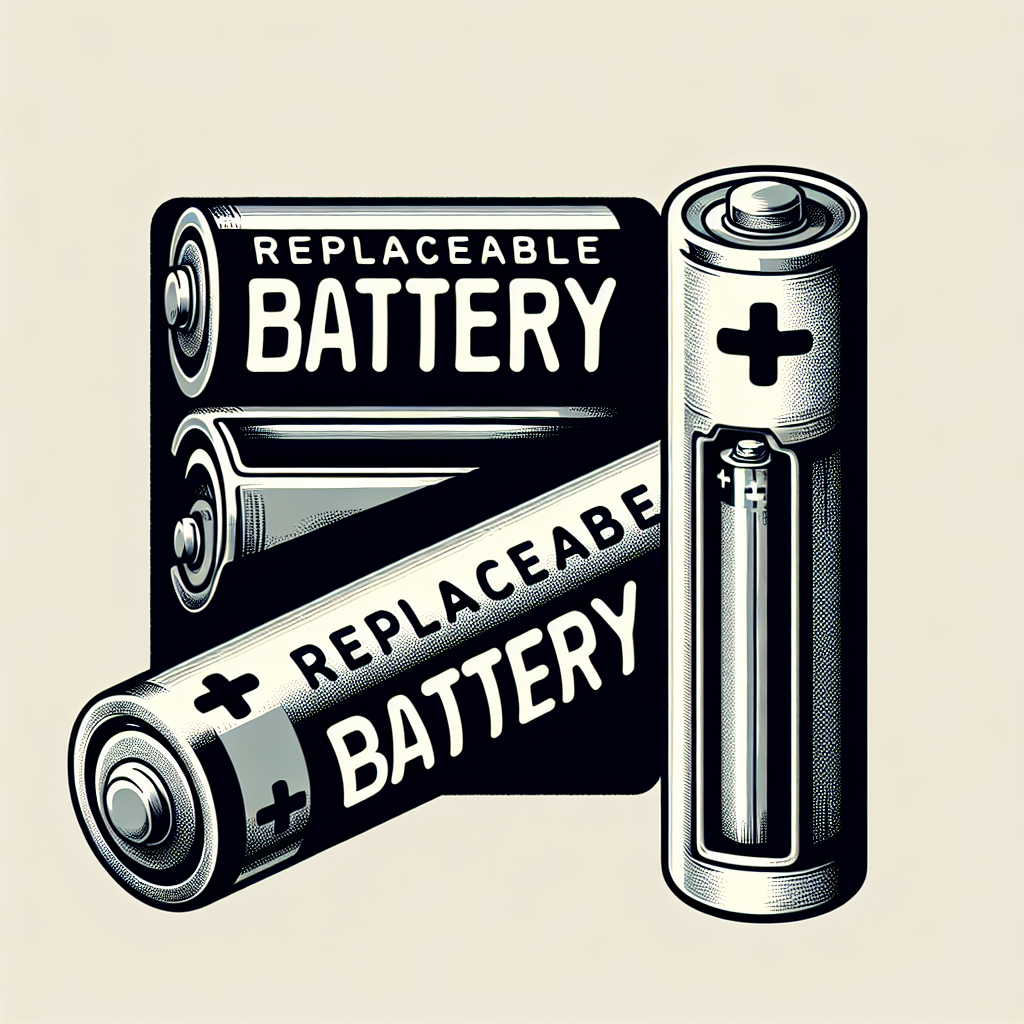
Historically, user-replaceable batteries were the norm. Cameras, in particular, have long benefitted from replaceable batteries, which offer the straightforward advantages of extended use through battery swaps and ease of upgrading to newer battery technologies. These advantages extend the usable life of devices, fostering sustainability—a crucial consideration today. Moreover, with replaceable batteries, the risk of theft or loss when charging is minimized, as users can leave just their batteries, not the entire device, to charge in public spaces.
In contrast, modern smartphones and electronic devices have predominantly moved to sealed battery designs. The argument for this shift often cites aesthetic and functional design aspects, such as reducing device thickness and increasing battery capacity without the constraints imposed by modular battery assemblies. However, this shift has also led to criticisms about planned obsolescence, where devices are effectively discarded when batteries degrade, pushing consumers towards purchasing newer models. This dynamic aligns with manufacturers’ interests but conflicts with rising consumer awareness about e-waste and the environmental impact of discarded electronics.
The debate intensifies with the increasing complexity of battery technology. Today’s batteries, while more energy-dense and faster to charge, sometimes face safety concerns related to thermal runaway and degradation over time. Legislation, particularly in regions like the EU, has attempted to address these issues by mandating easier battery replacement options to extend device lifespan and reduce waste. However, this raises questions about how such policies might stifle innovation or unnecessarily complicate design standards.
The conversation extends beyond batteries to include charging technologies. Wireless charging and high-capacity power banks present new paradigms, allowing flexibility and potentially reducing the immediate need for replaceable batteries. Yet, these technologies are not without drawbacks. Wireless charging tends to be less efficient, and managing charging device availability and compatibility remains a challenge. The diverse approaches reflect an ongoing exploration of how best to serve consumer needs while balancing environmental and safety considerations.
The analogy between batteries and seatbelt legislation further highlights this complex interplay of safety, convenience, and cultural adoption. Just as seatbelt mandates have significantly reduced injuries in car accidents, regulatory interventions in battery technology and design could foster a healthier balance between consumer convenience, safety, and sustainable practices.
Ultimately, discussions around device batteries underscore a broader theme: the need for a nuanced approach that accommodates consumer convenience, encourages technological advancement, and mandates sustainable and ethical practices. Whether through legislative action, industry innovation, or a combination of both, the goal remains to improve user experience without compromising the planet’s future. This will involve ongoing dialogue and collaboration among manufacturers, regulators, and consumers to find solutions that balance these often-competing priorities.
Disclaimer: Don’t take anything on this website seriously. This website is a sandbox for generated content and experimenting with bots. Content may contain errors and untruths.
Author Eliza Ng
LastMod 2026-04-21