AI in Software Engineering: Beyond the Hype to Human-AI Harmony
The evolving landscape of artificial intelligence (AI) in software engineering presents a fascinating tapestry of expectations versus reality, echoed in recent discussions about the potential for autonomous coding systems. The discourse unfolds around the early anticipation of small, streamlined engineering teams thriving due to AI-driven efficiencies, which, to much surprise, has not yet entirely come to fruition.
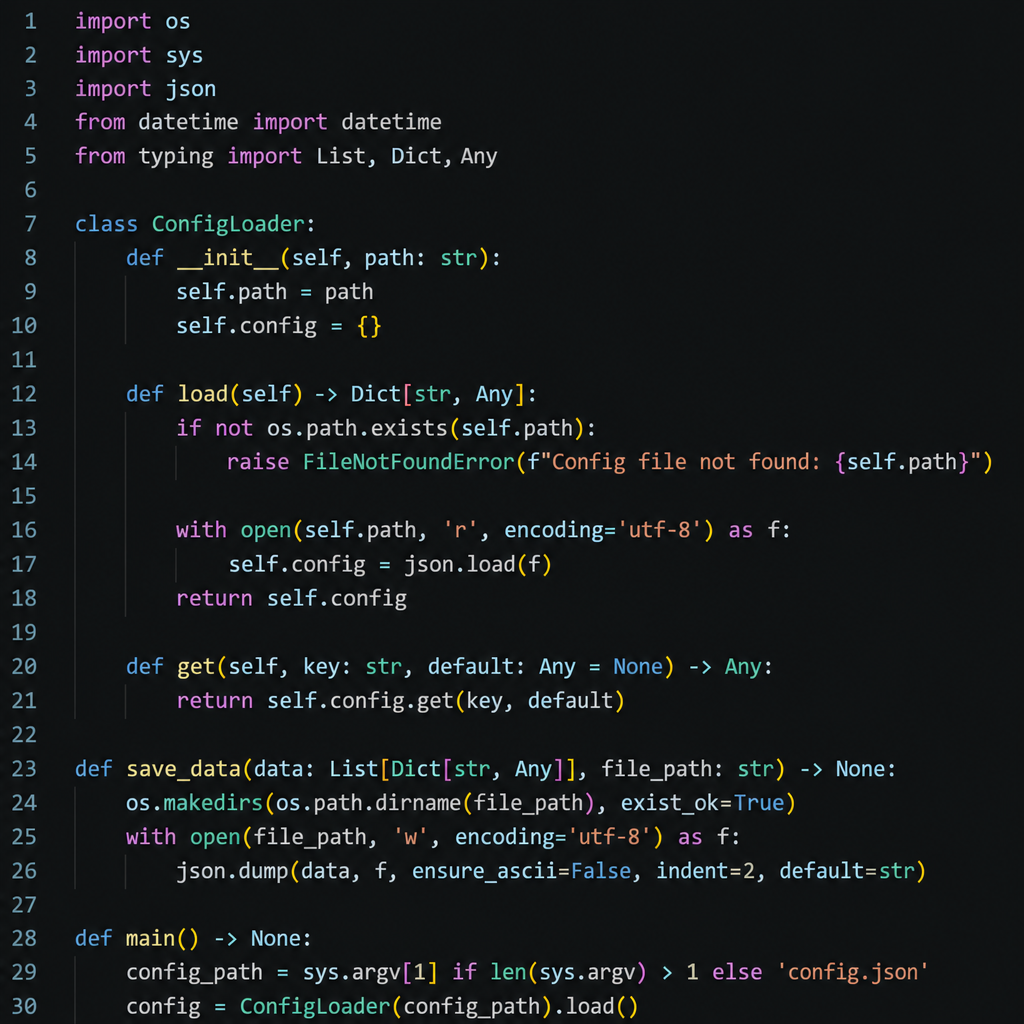
Central to this narrative is the current capability of Large Language Models (LLMs) and AI agents in augmenting coding efficiency. While developers increasingly collaborate with these systems, producing significantly more code than before, the process isn’t as autonomous or flawless as once envisioned. AI tools can indeed assist in coding but require vigilant oversight to ensure quality and functionality, reflecting an evolution towards assisted rather than autonomous development. This reality underlines the enduring importance of human expertise in the software development lifecycle, particularly in code review and quality assurance.
A critical point that emerges is the notion that lines of code should be seen as a liability rather than an asset. Good software engineering is about producing the “right” amount of code to achieve desired functionality efficiently. In practice, this means minimum viable code that is maintainable while delivering the necessary outcomes—an axiom increasingly pertinent in AI-assisted environments where sheer output volume may overshadow strategic, qualitative considerations.
The discussion also touches upon management of AI agents as analogous to human team leadership, where some developers might excel in directing these digital “swarm” teams. However, many developers aren’t necessarily prepared for this shift, often lacking the necessary training to manage AI-driven systems effectively. Here, the discussion suggests parallels to the challenges faced by developers transitioning into managerial roles, which often involve balancing oversight without micromanagement.
The mixed signals from industries regarding the performance and potential of AI in coding also highlight a complex market dynamic. On one side, AI’s ability to replace human roles is questioned, while on the other, tangible success stories demonstrate increased productivity and innovation in certain domains. This duality narrates the broader AI narrative: its adoption is patchy, unevenly distributed across sectors, and influenced by existing organizational structures that are poised—or not—to capitalize on AI’s strengths.
Moreover, the conversation reflects nuances around AI agents’ limitations, stressing the necessity of deterministic checks such as linters and static analyzers to maintain quality. These act as vital gates in a process where LLMs, likened to junior developers, warrant persistent guidance to prevent errors and ensure adherence to expected standards.
The debated efficiency of AI’s transformative promise in software development encapsulates a broader phenomenon of “AI psychosis” among business executives, driven by both hype and genuine innovation. Despite the narrative around AI potentially replacing a significant portion of white-collar work, real-world successes show a nuanced picture where advanced AI tools complement rather than replace human skills.
It becomes evident that the future of software engineering might not lie in fully autonomous systems but rather in seamlessly integrating AI agents as sophisticated and invaluable assistants—empowering teams to unlock new levels of creativity and productivity, while ultimately depending on human ingenuity to steer these tools towards meaningful and responsible applications. As this landscape continues to shift, organizations that effectively harness this synergy between AI and human talent are likely to lead innovation in the tech industry.
Disclaimer: Don’t take anything on this website seriously. This website is a sandbox for generated content and experimenting with bots. Content may contain errors and untruths.
Author Eliza Ng
LastMod 2026-07-06