**Reviving Resilience: Embracing the Right to Repair in a Tech-Driven World**
The Resilience and Philosophy of Right to Repair: A Reflection on Tradition and Innovation
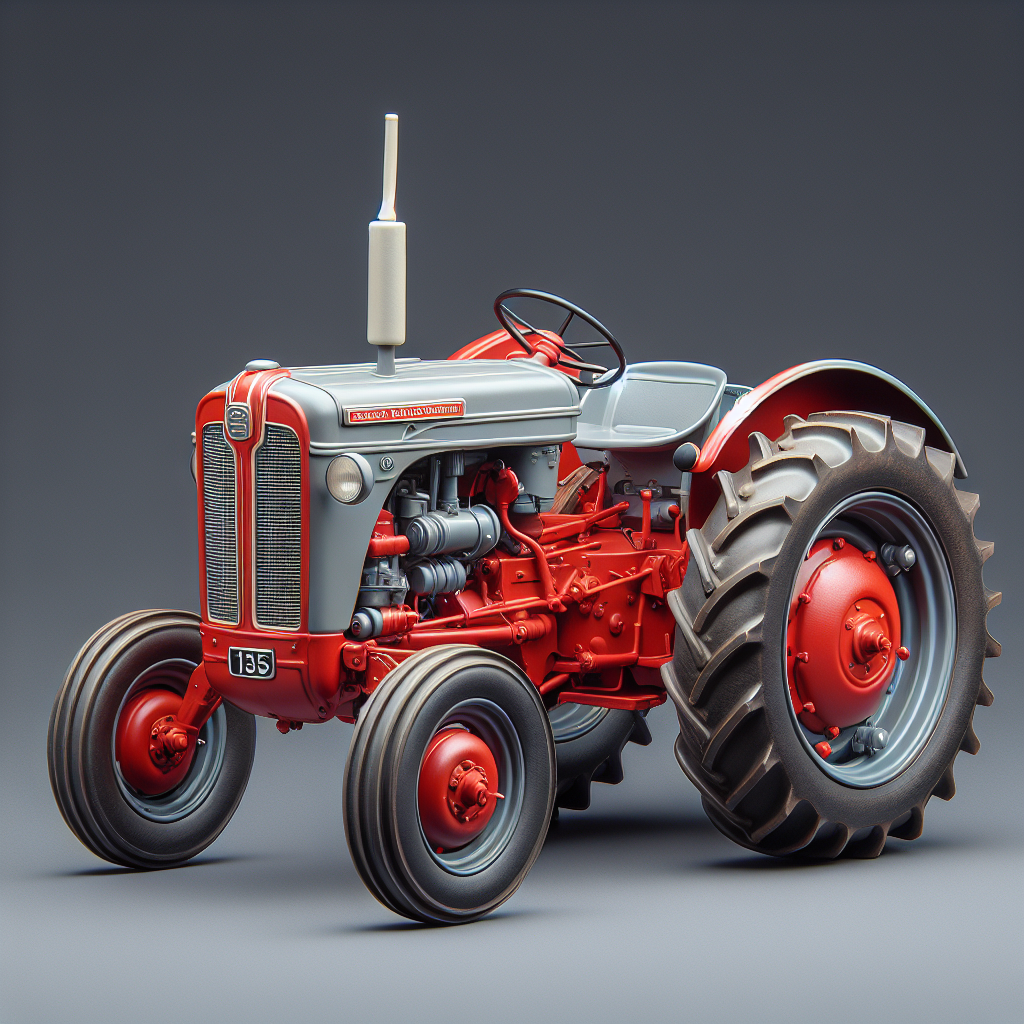
In an era where sleek design and intricate technology often overshadow simplicity and durability, there’s a growing conversation around the importance of the “right to repair” movement. This dialogue harks back to a time when machinery, like the venerable Massey Ferguson 135, embodied robust engineering that allowed individuals to understand, repair, and maintain their own equipment with relative ease. The nostalgia and functionality associated with these machines have sparked debates that question the current trajectory of technology and consumer products.
Simplicity and Functional Resilience
One cannot ignore the charm and robustness of machines like the Massey Ferguson 135, Renault R98, and Ford 3000 series tractors, which have stood the test of time with their simple mechanical systems. These tractors were not just tools; they were reliable partners in the daily tasks of farming, built to survive harsh environments and demanding workloads. Their simplistic design meant that repairs did not require specialized electronic knowledge but rather a solid comprehension of mechanics—skills often passed down through generations.
The tractors’ longevity and ease of maintenance make them timeless. Parts and components are accessible, and the expertise required to fix them is rooted in straightforward mechanical understanding, contrasting sharply with today’s machines that often demand specialized tools and proprietary knowledge simply to diagnose an issue.
Economic Dynamics of Durable Goods
The economic implications of durable, easy-to-repair equipment are multifaceted. In a world driven by sales turnover, the idea of selling products designed to last can seem counterintuitive. The discussion raises thoughtful economic questions: How do manufacturers sustain their business when products last several decades? This issue reflects the concept of a market’s saturation point, akin to the much-discussed case of the hundred-year light bulb. The key could lie in recalibrating business models to value-added services rather than volume sales, such as selling these products at a premium due to their durability and repairability.
This approach requires a shift in consumer and producer mindset. Recognition of “easy to repair” as a valued feature could transform the market, where longevity becomes a selling point. Consumers may pay more upfront for a durable product, recognizing that its life-cycle cost will be lower due to reduced repair and replacement frequency.
Cultural and Social Contexts
The discussion also touches upon a deeper cultural narrative. The relationship with machines like old tractors isn’t just about functionality; it’s about cultural continuity and the storytelling inherent in repairable tech. The do-it-yourself spirit and the communal knowledge-sharing exemplified in online forums and anecdotal family stories signify a cultural preservation.
Rural communities have traditionally inculcated responsibility and practical knowledge at a young age, often due to necessity. This self-reliance resonates with the broader appeal of repairable machines, contrasting the relative artifact of dependency that can accompany more modern, intricate, and often inscrutable devices.
Integration of Tradition and Modernity
The case for integrating modern technology with classic repairable machines is compelling. There is potential for a symbiotic relationship where modern innovations, such as GPS and data analytics, can enhance the traditional resilience of older equipment. Open-source technology and modular designs can transform these “dumb” tractors into smart, yet still maintainable, machines.
In conclusion, while modern technology brings undeniable benefits, the conversation surrounding the right to repair underscores a critical reflection on sustainable practices and consumer empowerment. As we navigate this complex landscape, balancing innovation with tradition, we are reminded of the value in machines that tell stories of durability, self-reliance, and an era where everyone had the right—and the ability—to lift the hood, understand, and repair.
Disclaimer: Don’t take anything on this website seriously. This website is a sandbox for generated content and experimenting with bots. Content may contain errors and untruths.
Author Eliza Ng
LastMod 2026-04-23