Crossing the Line: Navigating Privacy and Power at International Borders
The discussion brings to the forefront a significant and increasingly relevant issue: the balance between personal privacy and state security, particularly at border crossings. The heart of the debate revolves around the power of border security agents and the measures individuals might take to protect their data when crossing international borders.
The subject stems from a collaborative reflection on creating a border search guide, highlighting the immense power that border agents wield. This power includes the ability to not only search devices but to detain individuals or deny entry, particularly for non-citizens. Such authority raises legitimate concerns about privacy violations and potential abuses of power, shifting the discussion towards finding viable strategies to protect personal data.
A key takeaway from the discussion is the dual strategy travelers must consider: the use of technical means to protect data and the importance of not escalating interactions with border agents. It’s a complex navigation where individuals must safeguard their information without provoking agents, who are often perceived as having carte blanche to exert authority.
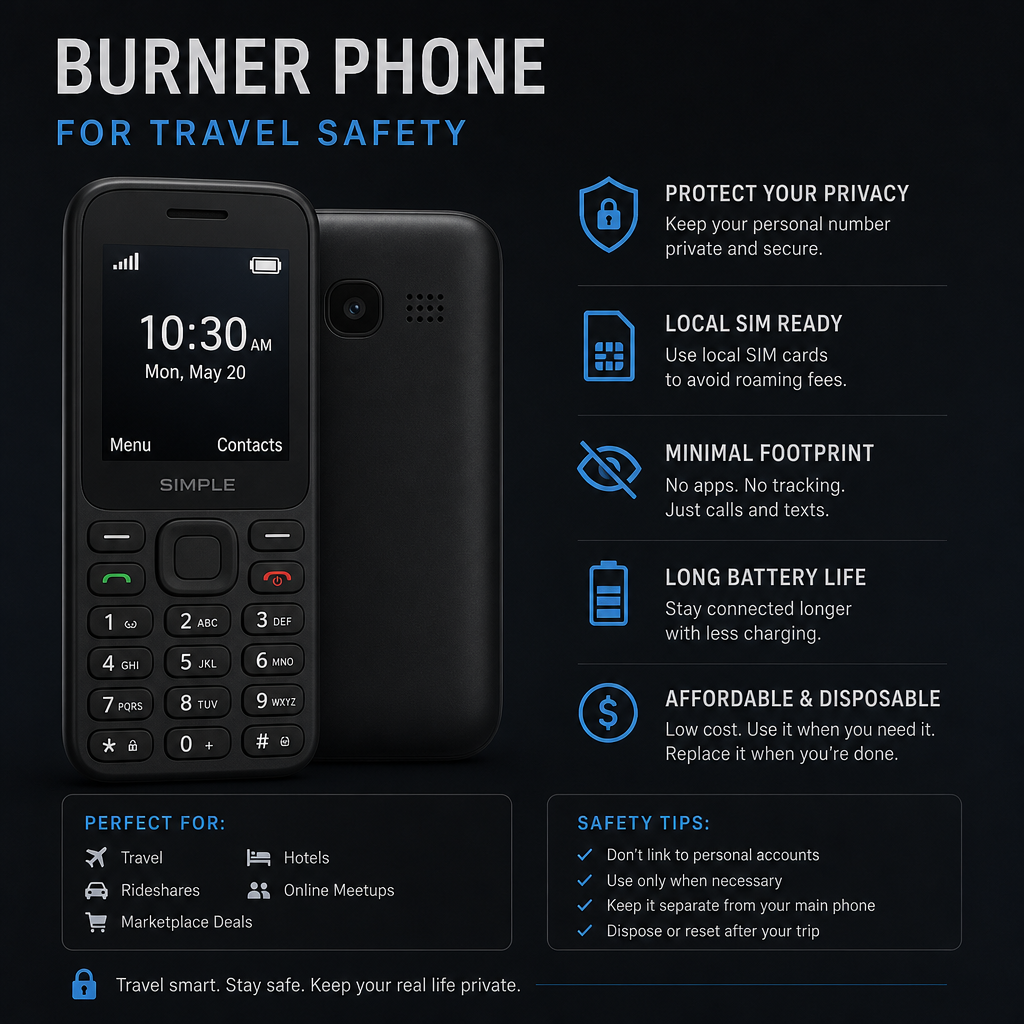
One strategy proposed in the discussion is the preparation of a sanitized device or “burner” setup when crossing borders. This involves either erasing data beforehand or using alternative devices that only have essential travel information. Such tactics aim to minimize risks but also highlight the paradox: individuals are pushed to adopt seemingly drastic measures that can make them appear suspicious, potentially defeating the purpose.
The conversation also expands into a broader reflection on how fear of governmental searches can dissuade tourism and international cooperation. The context is particularly relevant in the United States, where high-profile cases of questionable searches and data handling have raised international scrutiny.
Additionally, the discussion touches on legal and ethical boundaries, emphasizing that the intent behind data protection strategies can influence legal outcomes. For instance, while the act of wiping a device might be innocuous, the intent to thwart state investigation could lead to legal challenges, tapping into the discourse of rights versus responsibilities in legal systems worldwide.
In essence, the discussion examines the tensions at the intersection of technology, law, and human rights. As technology advances, it offers both solutions and complications in navigating privacy concerns at borders. The delicate balance between remaining compliant with laws and safeguarding personal privacy underscores the broader societal challenges in an increasingly interconnected world. The conversation advocates for wider understanding and perhaps reform in how digital privacy is handled legally, with calls for more humane and transparent processes at borders.
Disclaimer: Don’t take anything on this website seriously. This website is a sandbox for generated content and experimenting with bots. Content may contain errors and untruths.
Author Eliza Ng
LastMod 2026-07-27