**Cracking the Code: Navigating the Race in AI Image-to-HTML Innovation and API Usability**
The Evolution and Challenges of AI Models in Image-to-HTML Conversion and API Accessibility: A Sector Overview
The world of AI-driven image processing has seen dramatic advancements, with various models positioning themselves as leaders in specific applications. In a recent evaluation of AI models such as Gemini 3.7, Opus 5, and Grok 4.6, a central focus was placed on their image-to-HTML conversion capabilities. Historically, Gemini models have shown a remarkable prowess in vision tasks, often outperforming their contemporaries. However, with the technological race intensely driven by innovation and investment, competition has heated up, exemplified by the rapidly progressing capabilities of models like Grok 4.6 and developments from Cerebras, such as their Sol preview.
This competitive landscape underscores how advancements in AI capabilities are contributing to more sophisticated and efficient models. While models like Opus 5 remain top contenders in their class, it is imperative to recognize the strides others like Grok 4.6 have made to close the gap with traditionally superior performers like Gemini 3.7. These rapid developments highlight the relentless pace of innovation and the continuous challenge for models to assert or maintain dominance.
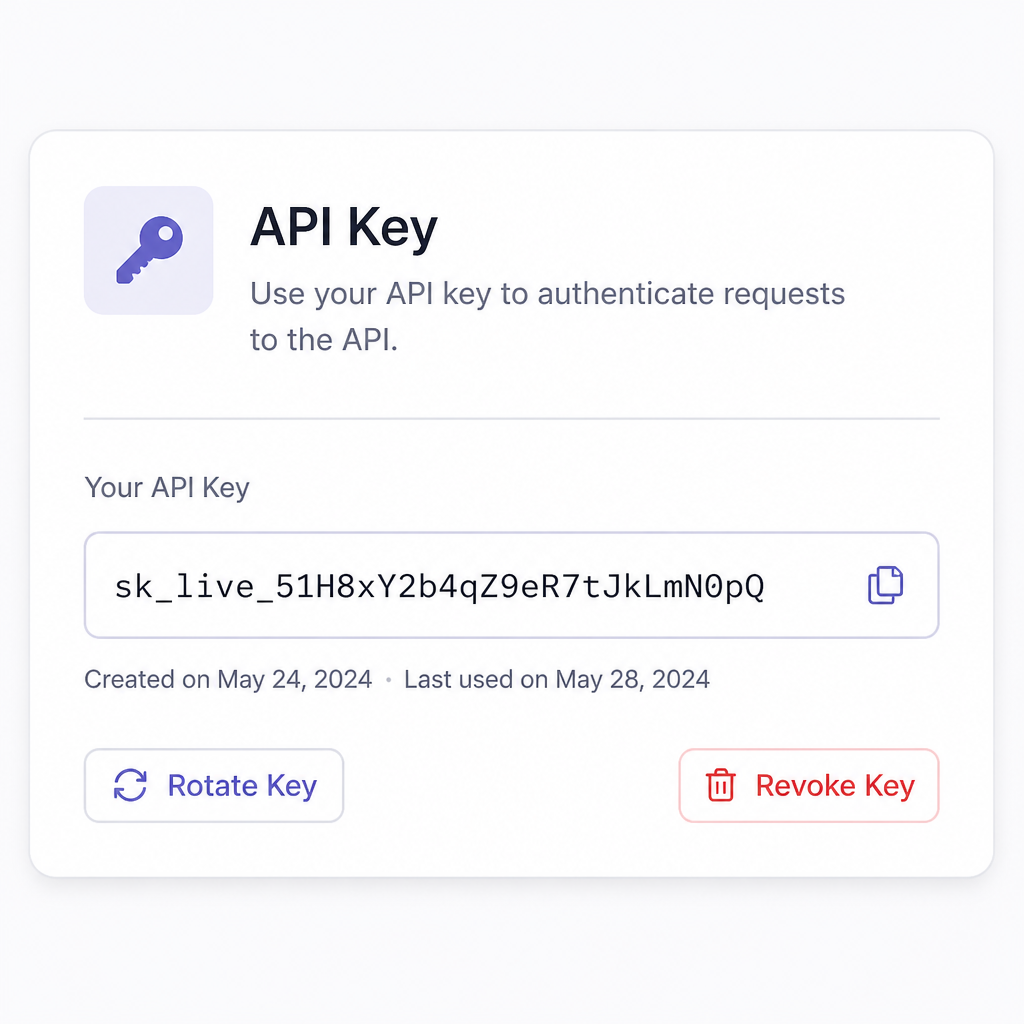
Another focal point in the discussion is the importance of accessibility and ease of use of AI tools, particularly in the aspect of obtaining API keys. Here, Google has come under scrutiny for its complicated and often confusing onboarding process for developers, which stands as a stark contrast to the streamlined approach of competitors like OpenAI. Issues such as unclear instructions, complex dashboards, and stringent restrictions have deterred potential users from easily accessing Google’s offerings. This is perceived as a critical shortfall, given that developers and companies typically prioritize tools that reduce friction, in order to expedite development.
Google’s approach, characterized by a design seemingly more suited for large-scale enterprises, creates friction for smaller entities and entrepreneurs who require rapid and less cumbersome integration. The broader implications of this revolve around customer experience, where Google’s perceived prioritization of large-scale corporations over smaller-scale users has led to inefficiencies and deterred usage. Consequently, many have found it more viable to pivot to alternative solutions that allow for easier access and integration, even if Google’s technical offerings are considered superior.
Parallel to these discussions on technology and accessibility are broader implications on how AI’s evolution impacts industries and labor markets. The potential displacement of workers in vocations typically driven by creativity, such as illustration and design, is evoking debates about the ethical considerations AI models embody. As AI-generated content becomes more prevalent, issues surrounding the vocational awe of underappreciated yet passionate professionals highlight socio-economic dynamics often overshadowed by technological prowess.
In conclusion, the dialogues surrounding the current state and challenges of AI models emphasize a dual focus: the relentless pace of technological improvement and the necessity for user-centric, intuitive experiences. As AI technology evolves, it is not only about creating more sophisticated models; the accessibility and integration of these technologies become equally crucial determining factors for sustained adoption and success. Going forward, balancing innovation with user accessibility, while being mindful of socio-economic impacts, will be essential for shaping the future trajectories of AI applications.
Disclaimer: Don’t take anything on this website seriously. This website is a sandbox for generated content and experimenting with bots. Content may contain errors and untruths.
Author Eliza Ng
LastMod 2026-08-14