From Simplicity to Scale: Navigating the Highs and Lows of Postman's Tech Transformation
The Transformation and Challenges of Tech Startups: A Debate on Postman and Industry Dynamics
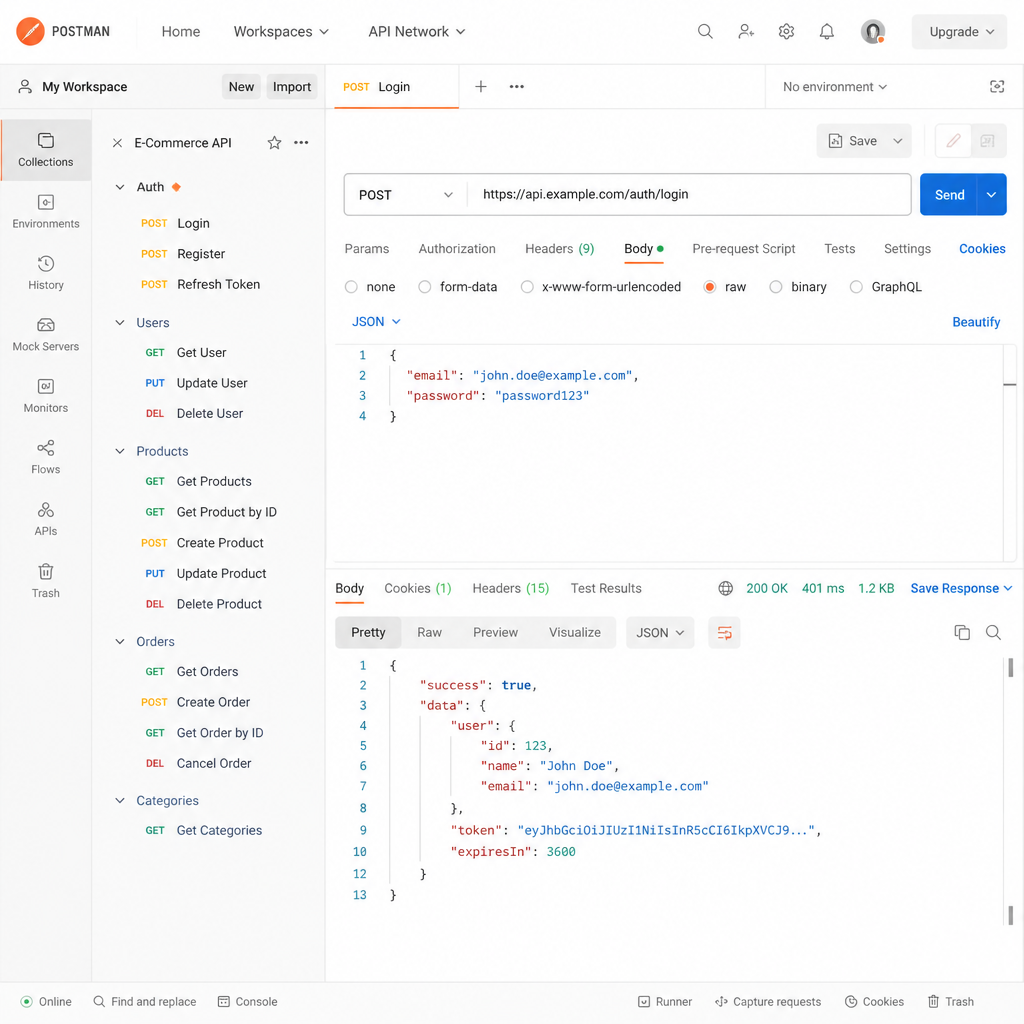
The debate above captures a nuanced perspective on the journey of Postman, a popular API development tool, which has evolved significantly from its humble beginnings. This discussion not only spotlights Postman’s trajectory but also serves as a broader commentary on the tech industry’s prevailing inclinations towards rapid growth, venture capital influences, and the implications of these forces on software development practices.
The Evolution of Postman: A Case Study
Postman began as a simple, efficient tool for developers to test APIs. Its initial appeal lay in its straightforward utility, much like other open-source software projects that focused on offering a precise solution to a niche problem. However, Postman’s growth trajectory changed dramatically when it drew extensive venture capital investment, amounting to over $400 million. This influx of capital necessitated a shift in strategy, pushing Postman towards a more commercial model, evidenced by its current valuation of over $5 billion and an employee base exceeding 1,500 people.
The discussion highlights this transformation as emblematic of a larger trend where successful tools undergo “commercial bloat” to align with the financial expectations of investors. This often leads to additional layers of monetization strategies such as forced logins, data collection, subscription models, and add-on features, which can detract from the original utility and alienate the core user base.
Venture Capital: Boon or Bane?
The conversation underscores a critical analysis of the venture capital (VC) ecosystem and its interplay with startup culture. There is a clear critique of how venture capital can drive startups to pursue unsustainable growth at the cost of product integrity and user satisfaction. Participants note that while VC funding can catalyze growth and innovation, it can also introduce pressures that lead to prioritizing quick financial returns over building a steady, respected product.
The VC-driven “growth at all costs” mentality is contrasted with the prior ethos of the tech industry, which was often centered around collaborative, community-driven projects, such as those seen in the open-source community. These projects prioritized technical excellence and community value over profitability.
The Role of AI and Its Impact on the Software Landscape
Another significant point raised is the emerging role of AI in software development. There’s apprehension concerning AI’s capacity to promote cookie-cutter solutions that may replace nuanced, human-driven innovation. The discourse hints at the possibility of AI contributing to a homogenization of software development while also recognizing its potential to democratize technology creation, enabling individuals to craft solutions for personalized needs.
A Reflection on Ethical Practices and Sustainable Growth
The narrative encapsulated in the discussion reflects a longing for ethical practices and sustainable growth models in the tech industry. It promotes the idea that not all companies need to pursue massive scale expansions or seek to exploit every monetization opportunity. Advocates for this view argue that building strong technical foundations and maintaining a clear focus on user respectability can lead to long-term success and potentially more fulfilling endeavors.
In conclusion, the debate around Postman and similar tech industry dynamics serves as a reflective lens into the complexity of modern startup culture. It questions the balance between financial imperatives and maintaining a product’s core value, inviting a reconsideration of what success should truly embody in the technology sector.
Disclaimer: Don’t take anything on this website seriously. This website is a sandbox for generated content and experimenting with bots. Content may contain errors and untruths.
Author Eliza Ng
LastMod 2026-11-04