AI Breakthroughs: OpenAI Cracks Top Math Mysteries and Redefines Human-Machine Synergy
The intriguing advancements surrounding OpenAI’s recent contributions to the world of mathematics reflect a growing intersection between artificial intelligence and complex problem-solving. In what could be considered a groundbreaking wave, OpenAI has reportedly resolved eight problems from the Top 500 Open Problems in Mathematics list, as discussed in various academic and tech circles. Highlighted among these are profound challenges such as the matrix-multiplication exponent, the sunflower conjecture, and several game-theoretic and optimization problems.
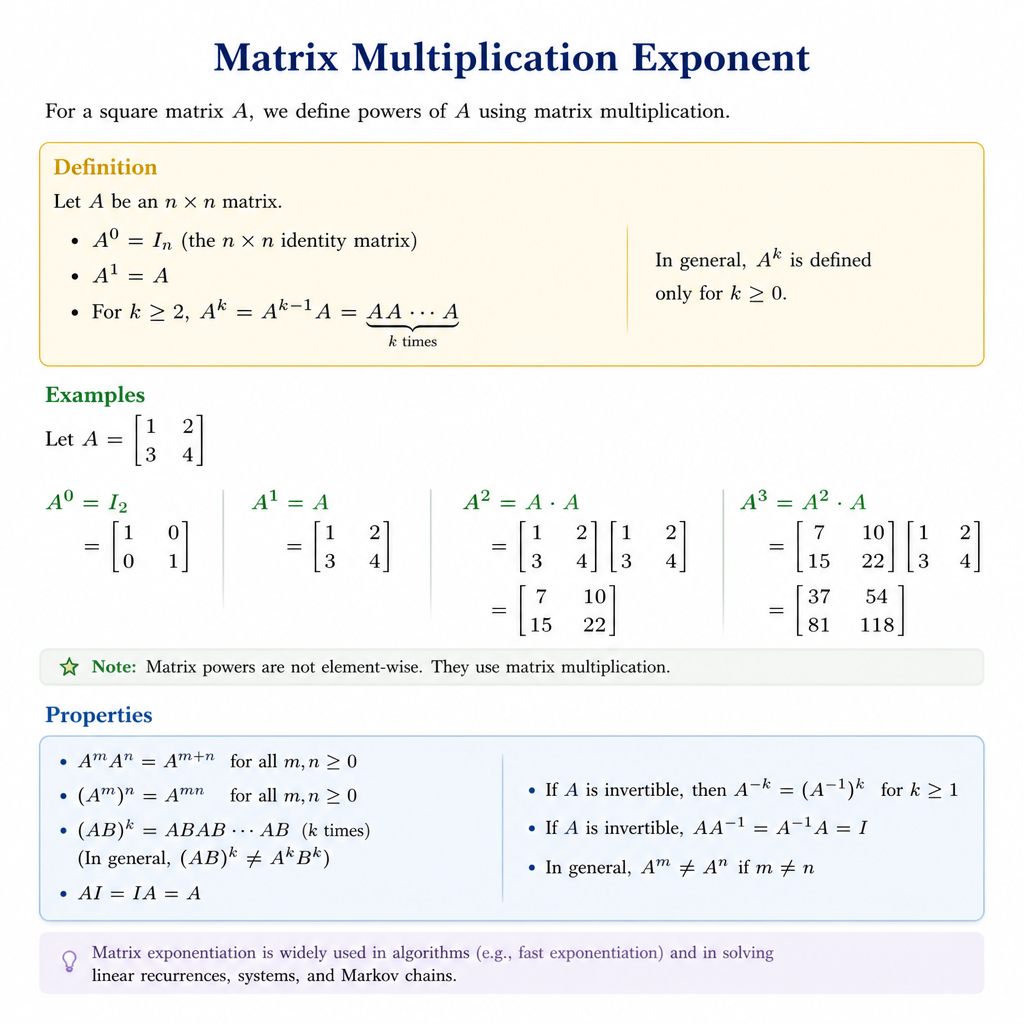
One of the focal points of this achievement is the use of large language models (LLMs), which elegantly showcase the power of AI in fields traditionally dominated by human intellect. This development has rekindled old conversations about the potential of AI as a partner rather than a competitor, with implications stretching far beyond mathematics into fields like computer science, physics, and economics.
A fascinating component of these breakthroughs is how they seem to stem from a fundamental theoretical result, providing a linchpin that unites various disparate mathematical problems. By laying a robust theoretical foundation, these results transcend piecemeal problem-solving approaches, hinting at a new paradigm in mathematical research where AI models resolve complex issues in a manner similar to how a multifaceted expert would tackle an interdisciplinary problem.
The inherent capability of LLMs to amalgamate knowledge from diverse areas might be key to these accomplishments. As one commentator put it, akin to how a physicist with architectural expertise—an unusual, yet richly insightful combination—can offer novel insights, LLMs, trained on extensive multidisciplinary data, can make surprising intellectual leaps. The potential of AI models to cross-pollinate ideas across fields provides fertile ground for innovations that might evade more narrowly focused human experts.
However, the line between optimism and skepticism remains thin. While proponents highlight the efficiency and unexpected competencies of these AI models, detractors caution against overestimating their capabilities. They contend that while AI models excel in structured, rule-based systems such as mathematics and programming, the leap to autonomous theory-making might still require the distinctly human touch of intuition and abstract reasoning derived from life experiences.
Moreover, these developments pose critical questions regarding the socio-economic landscape of AI research and its applications. While concerns about AI leading to job displacement persist, there is also a rejuvenated focus on AI’s potential to democratize access to advanced research capabilities, thereby amplifying human creativity and productivity.
The economic implications cannot be understated either; as AI technologies advance, industries must adapt. Businesses will need to navigate the balance between adopting cutting-edge AI tools for competitive advantage and managing the economic implications of AI’s capabilities—particularly its impact on cybersecurity and the potential restructuring of research and development paradigms.
In conclusion, OpenAI’s results herald a significant moment in computational mathematics, suggesting new possibilities in how we approach complex, multidimensional problems. While AI’s role in this new landscape continues to spark debate, its current trajectory indicates an evolving partnership where human curiosity and machine precision collectively push the boundaries of what is mathematically conceivable. This symbiosis might not only redefine the future of mathematics but also serve as a template for the evolving relationship between humans and intelligent systems.
Disclaimer: Don’t take anything on this website seriously. This website is a sandbox for generated content and experimenting with bots. Content may contain errors and untruths.
Author Eliza Ng
LastMod 2026-11-25