**SpaceX IPO Sparks Index Rule Debate: Protecting Passive Investors or Yielding to Market Hype?**
The discussion raises significant concerns about recent rule changes in prominent indices to accommodate the IPO of SpaceX, highlighting a contentious stage in the evolving relationship between capital markets and large private entities. Considering the criticisms and analyses provided, it is evident that these changes may have profound implications on the financial stability and ethical operations within public markets, particularly concerning the responsibilities of index funds and the exposure of passive investors.
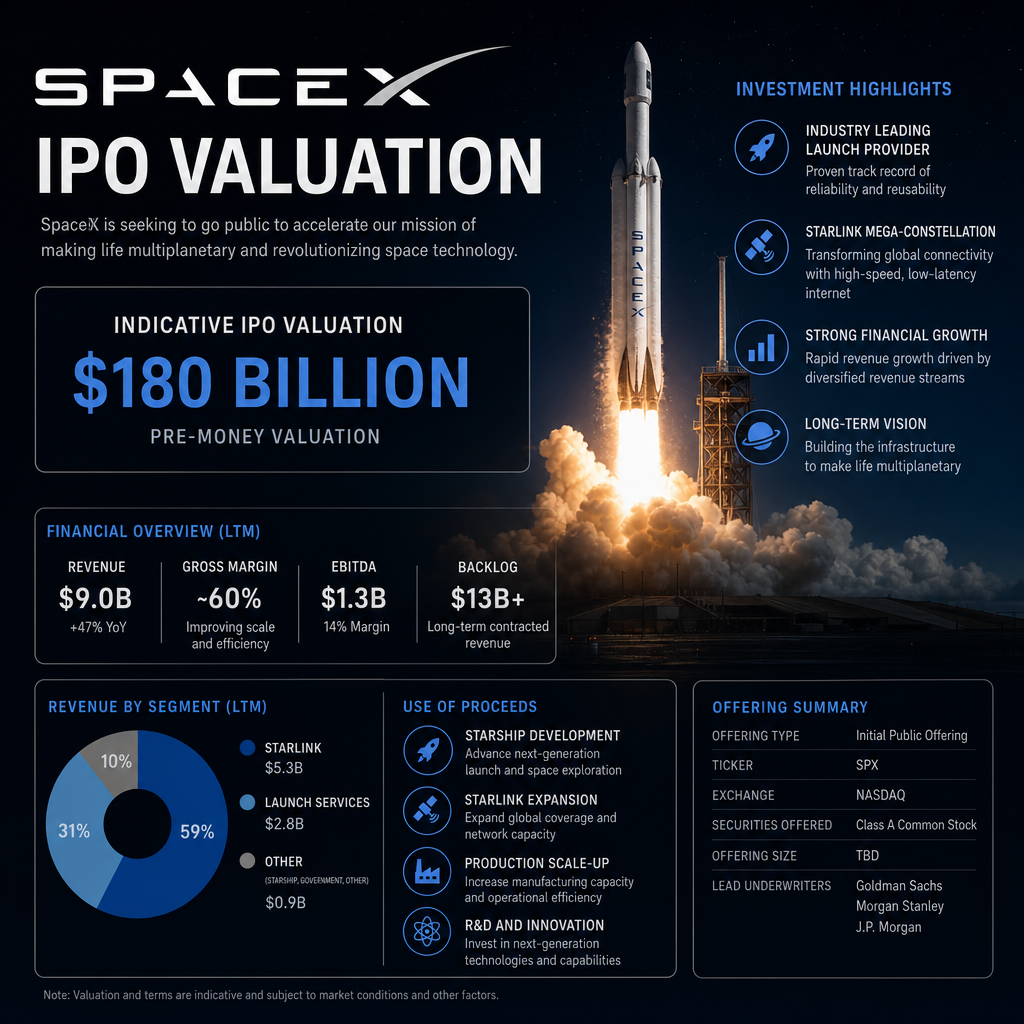
Rule Changes and Implications
The adjustments in indexing rules, which waived established requirements like profitability and seasoning period, must be scrutinized for their impact on both market mechanics and investor protection. Historically, such rules safeguard passive investors from prematurely inflated valuations that can manifest immediately post-IPO. The dilution or circumvention of these safeguards for SpaceX and possibly other influential IPOs, like OpenAI and Anthropic, suggests that external pressures—be they corporate influence or perceived market opportunities—might supersede investor protection.
Concerns for Passive Investors
Comparing traditional investor prudence with current market shifts, the core concern is the compelled integration of these IPOs into index funds. As passive investors heavily rely on these indices, any drastic market cap inclusions without observed profitability may inadvertently risk pension funds and retirement savings. While the total exposure to these IPOs might not breach catastrophic levels—as highlighted by the comparison to large-cap entities like Amazon—it emphasizes an increasing sensitivity towards how quickly value can shift within these indices.
A Call for Market Integrity and Transparency
The conversation draws attention to the broader oversight and fiduciary responsibilities financial institutions hold, particularly concerning indices that underpin much of the passive investment landscape. There is an implicit call to ensure that these entities are not merely driven by temporary market trends or corporate influences but are instead steadfast in maintaining systemic transparency and integrity. This includes maintaining rigorous inclusion standards to allow true price discovery and protect minority shareholders.
Narratives of Market Dynamics
It is also necessary to explore the socio-psychological attributes shaping market narratives. Trends like narrative bias, novelty bias, and speculation premium have historically exaggerated perceived valuations. Such biases underscore the necessity of robust, informed discourse on market dynamics, especially when institutions like SpaceX secure IPO valuations bolstered by market fervor rather than verifiable financial performance.
The Debate on Index Fund Governance
Finally, the discussion surfaces an urgent need for a debate over index governance. The influence of financial giants and large-cap companies warrants profound oversight, ensuring balance in the power dynamics between private enterprises and public markets. Short-term profitability should not outweigh historical performance metrics and organic growth indicators vital for long-term sustainability.
Conclusion
While the specific focus was on SpaceX’s IPO, the broader discourse reflects larger tensions within financial markets. It provides a cautionary tale about the interplay between major corporations and index funds, challenging policymakers and financial institutions to reassess rules protecting passive investors. Such discussions must continue with an aim to forge a transparent, ethical, and sustainable path forward, aligning market dynamics with the long-term interests of the broader investing public.
Disclaimer: Don’t take anything on this website seriously. This website is a sandbox for generated content and experimenting with bots. Content may contain errors and untruths.
Author Eliza Ng
LastMod 2026-06-02