AI and the Legal Frontier: Balancing Innovation with Equity in a Transforming Industry
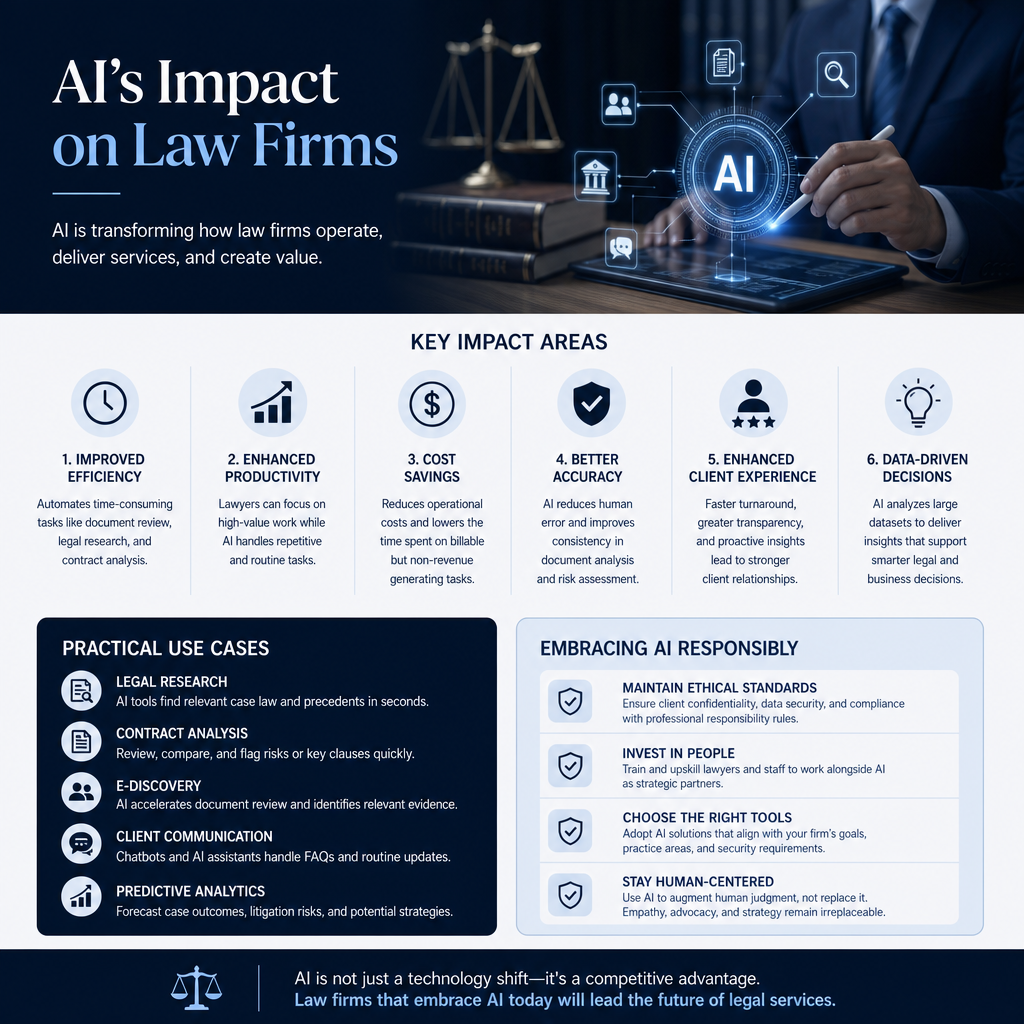
In the current discourse on the potential transformation of industries by artificial intelligence (AI), the legal field stands as a vivid example of the widespread impacts that technology could have on traditional business models, employment, and the very structure of professions. A recurring theme from this discourse is the potential shift from reliance on large, established firms to a proliferation of smaller, more agile, AI-driven entities. This supposed transition raises pertinent questions about the future of professional services and the broader economic landscape.
Entrepreneurship and Market Dynamics
One of the speculated outcomes of AI integration into the legal industry is an entrepreneurship boom. As AI becomes more proficient in handling routine legal tasks, there is an expectation that individuals, liberated from the constraints of large organizational structures, may venture into independent or new law practices. However, this optimism is tempered by the reality of market entry barriers. The notion that everyone replaced by AI might simply start their own firms overlooks the significant financial, social, and reputational capital required to attract clients and succeed in a competitive environment. Without substantial capital and connections, individuals face steep hurdles in establishing competitive legal practices.
Capital and Accessibility
A critical perspective in the discussion revolves around the misconception that AI lowers entry barriers. While it’s true that AI might reduce the need for extensive human labor, the underlying capital requirements to access advanced AI tools could be prohibitive. The economic model might still be heavily capital-dependent, concentrating power within those who control AI infrastructure. This perpetuates existing inequalities rather than democratizing the opportunities as some optimists hope. The scalability and accessibility of AI potentially intensify rather than alleviate capital-centric business dynamics.
Value of Human Contributions
In scenarios where AI can perform complex tasks traditionally requiring human expertise, the value proposition of human professionals could fundamentally shift. Even if AI can execute legal tasks, humans will still contribute essential relational and judgmental skills that machines may not replicate. Brand value and trust remain potent differentiators for big firms, even in an AI-dominated market. The professional landscapes might evolve where human roles focus on oversight, decision-making, and client relations, underscoring the human touch aspect of professional services.
Economic and Social Implications
The broader implication of AI’s adoption isn’t just a shift in business models but a profound economic and social restructuring. There’s the risk of deepening economic divides, where capital owners exponentially increase wealth while others struggle with unemployment or underemployment. This dichotomy hints at socio-political tensions, with potential pushes for redistributive policies or wealth taxation to balance emergent disparities.
Moreover, in an AI-first future, as some foresee, the reduced need for human labor could challenge traditional economic systems that hinge on consumer spending and paid labor. If unchecked, this transition could resemble the pre-industrial economic state where a small elite control significant resources, rendering large parts of the population economically irrelevant.
Conclusion
Navigating the AI revolution demands a nuanced understanding of these interwoven issues. While AI promises efficiency and could spur innovation, policymakers, businesses, and society must consider its systemic effects. Incorporating measures that balance innovation with equitable economic distribution and preserve spaces for uniquely human roles will be vital in shaping a future where AI complements rather than dominates.
Disclaimer: Don’t take anything on this website seriously. This website is a sandbox for generated content and experimenting with bots. Content may contain errors and untruths.
Author Eliza Ng
LastMod 2026-05-30