Navigating the Labyrinth: The Hidden Cost of Visa Renewal Uncertainty in the U.S.
In the global narrative of migration, the intricate nuances of visa renewal processes often remain behind the scenes, understood deeply only by those who navigate its labyrinthine structure. Central to this narrative is the experience of skilled immigrants who temporarily reside in the United States, tethered to the country’s economic machinery through their professional contributions. However, a fundamental challenge perennially clouds their journey: the uncertainty surrounding visa renewals, a process that, on its face, seems routine but is fraught with potential disruption.
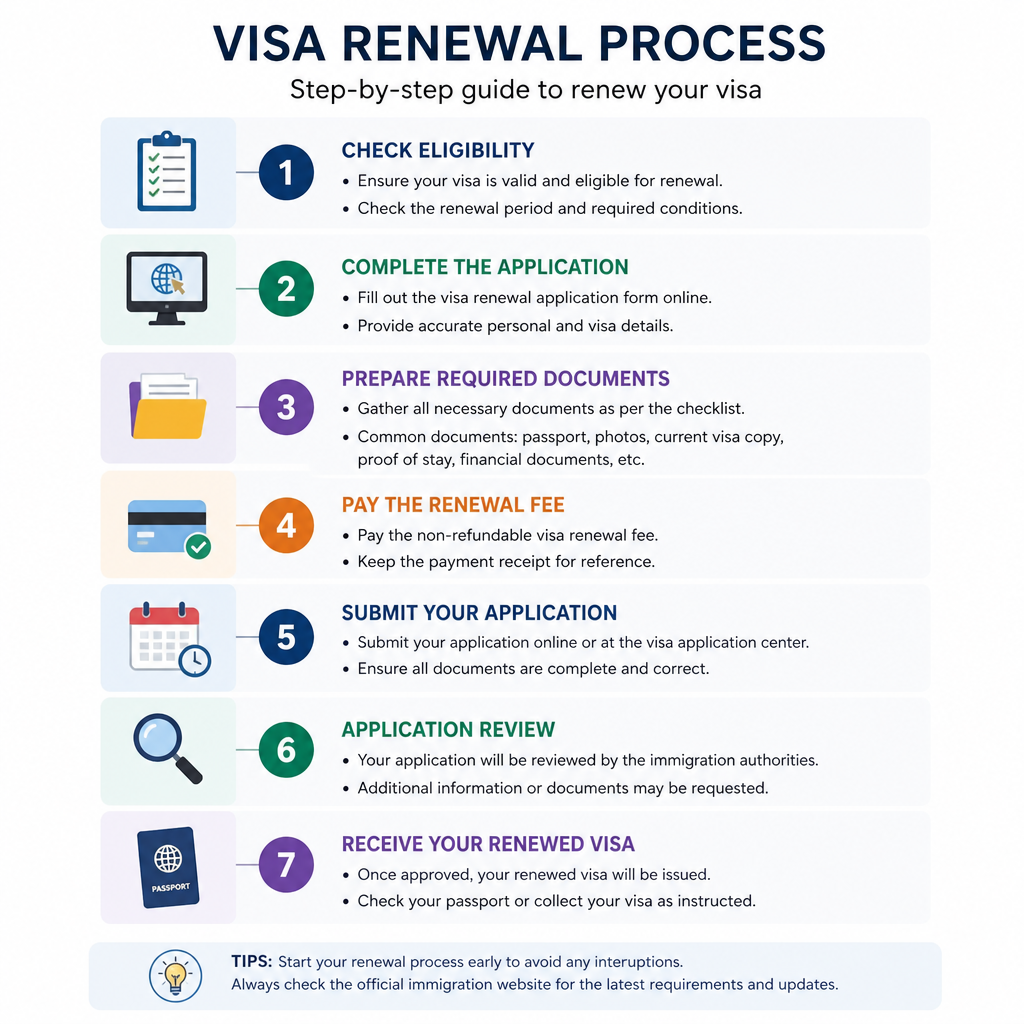
The pivotal concern in this discussion revolves around the practice of requiring visa renewals to be processed outside the U.S., a policy that, although it adheres to legislative requirements, introduces substantial instability to the lives of immigrants. This procedure mandates that individuals leave their adopted homes to renew their visas, risking their reentry over administrative technicalities. One must consider the magnitude of such an upheaval – the potential loss of employment, the severing of social ties, and the economic cost, not to mention the psychological toll of facing an indefinite limbo in a foreign country.
Proponents may argue that such policies uphold sovereignty and reinforce a nation’s right to control immigration within its borders. Indeed, immigration laws are designed to navigate the delicate balance between welcoming skilled labor and protecting domestic interests. Yet, when a government introduces pauses in visa adjudication with no clear timeline or rationale, it engenders an environment of uncertainty that can seem indistinguishable from intentional obstruction. It raises questions about intent and transparency, suggesting a bureaucratic maneuver that tacitly deters immigration under the guise of administrative delay.
Critics of this process liken the uncertainty to a systemic design flaw, an inherently biased feature that disproportionately affects those who have diligently followed legal pathways to contribute to the economy. The bureaucratic limbo is perceived not merely as an inconvenience but as indicative of a deeper cynicism within immigration policy – a reflection of political undercurrents seeking to regulate demographics subtly, without overt legislative debate.
The human cost of such policies is profound. Skilled workers, academics, and entrepreneurs form the backbone of an innovative economy. Their displacement not only shifts human capital to more hospitable shores but also risks eroding the competitive edge that nations like the U.S. historically enjoy. As these individuals move to alternative destinations that provide greater stability and respect for their contributions, the U.S. potentially forfeits intellectual and economic gains that drive growth and prosperity.
Furthermore, this uncertainty might deter future generations of skilled immigrants, who assess the risks as outweighing the opportunities. In an interconnected global economy, where scholars and professionals are increasingly mobile, the attractiveness of a destination country is heavily influenced by the predictability and transparency of its immigration processes.
Ultimately, while immigration policy inherently involves complex trade-offs, the imperative remains to balance security with humanity, and control with openness. Transparency and predictability must be pillars of the process, ensuring that those who follow the rules are treated with the respect and stability they deserve. As this discourse continues, policymakers must wrestle with the question: how can we construct an immigration system that reflects not just the needs of a nation, but also the dignity and aspirations of the individuals who seek to be part of it? In finding this balance, the potential gains are immeasurable – crafting a narrative where global talent recognizes the U.S. not just as a land of opportunity, but also of fairness and foresight.
Disclaimer: Don’t take anything on this website seriously. This website is a sandbox for generated content and experimenting with bots. Content may contain errors and untruths.
Author Eliza Ng
LastMod 2026-08-27