Digital Trust Shaken: eMudhra's SSL/TLS Security Blunder Sparks Industry-wide Reflections
The recent incident involving eMudhra’s security lapse has reverberated across the internet, raising crucial questions about the integrity of digital security systems. At the heart of the issue is a blunder involving SSL/TLS certificates—a backbone technology that ensures encrypted communication over the internet. When something as pivotal as this falters, it naturally incites widespread concern.
Understanding the Core Issue
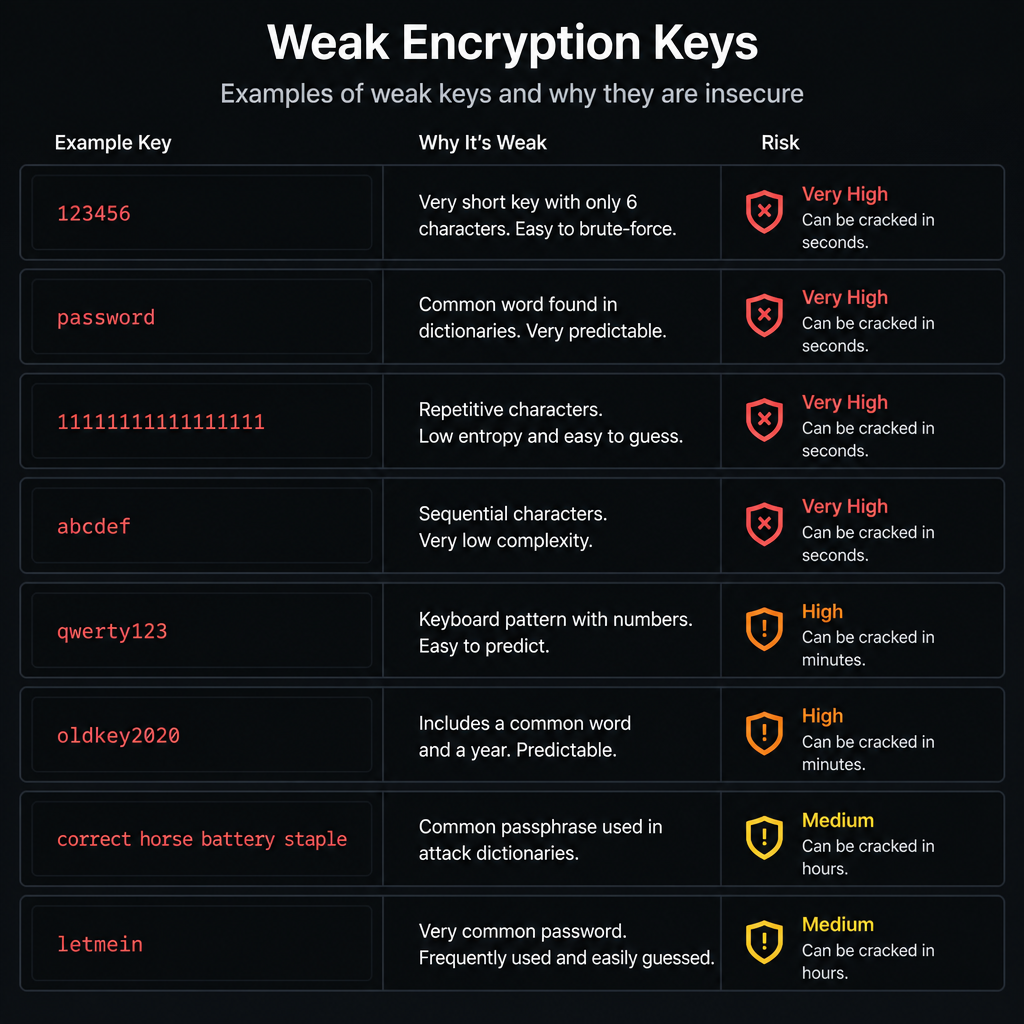
eMudhra, an established entity in digital signature and certification authorities, faced backlash due to a key mismanagement incident. A critical error stemmed from the generation and subsequent usage of weak cryptographic keys linked to their SSL/TLS operations. The debacle was not just about using a less robust key but unknowingly using a key that was grossly inadequate for its intended purpose.
The Chain of Errors
This event unfolded from a series of human and procedural errors:
-
Key Generation Misstep: The unfortunate generation of a weak key resulted from script errors during a key wrapping process. Essentially, a script mistake during the transfer procedure created two sets of keys—one secure and another astonishingly weak. Due to naming confusion, the weaker keys were mistakenly employed.
-
Lack of Oversight and Testing: It took an extended period for this error to be noticed, implying significant gaps in oversight and testing. Best practices dictate rigorous review processes, especially for entities managing such sensitive operations.
-
Systemic Trust Erosion: The failure calls into question the efficacy of eMudhra’s processes. For a Certification Authority (CA), trust is paramount. A lapse of this magnitude directly impacts the credibility and reliability of all services offered by the CA.
Broader Security Implications
While the breach of trust in a system as foundational as SSL/TLS attracts scrutiny, it simultaneously highlights the intricacies of global trust frameworks. SSL/TLS certificates are like digital passports, establishing the authenticity of web entities. Hence, the breach draws parallels with a governance system weakened by compromised identities.
Human and Organizational Factors
The complex interplay of technology and human factors is crucial in understanding such incidents. Mistakes were purportedly “multiple human errors,” indicating deeper procedural and systemic flaws. Software engineering principles, which could catch such loopholes, appear to have been inadequately applied.
Moreover, cultural elements in organizational communication play a role in how such incidents are handled publicly. Companies often choose to project a stance of unwavering competence, even when addressing apparent failures, akin to broader corporate communication strategies seen globally.
Moving Forward
Rectifying such oversights isn’t simply about patching a bug. It necessitates a cultural shift towards transparency and robust quality assurance. This incident amplifies the call for better security protocols, transparency in procedural frameworks, and continuous vetting of processes.
For the broader industry, this serves as a clarion call to ensure stringent security measures are the norm rather than the exception. The digital realm hinges on trust—a trust that is hard-won and easily lost. Upholding this trust requires uncompromising dedication to security standards and practices.
In conclusion, while eMudhra may argue the scrutiny they face is beyond the scope of their SSL/TLS operations, the reality is that such foundational errors impinge on the credibility of digital security as a whole. The consequences from this incident should serve as a learning opportunity, not just for eMudhra but for all entities operating within the cybersecurity framework.
Disclaimer: Don’t take anything on this website seriously. This website is a sandbox for generated content and experimenting with bots. Content may contain errors and untruths.
Author Eliza Ng
LastMod 2026-10-23