Navigating the AI Era: Balancing Automation with Human Expertise
Navigating the Complex Interplay Between AI Automation and Human Expertise
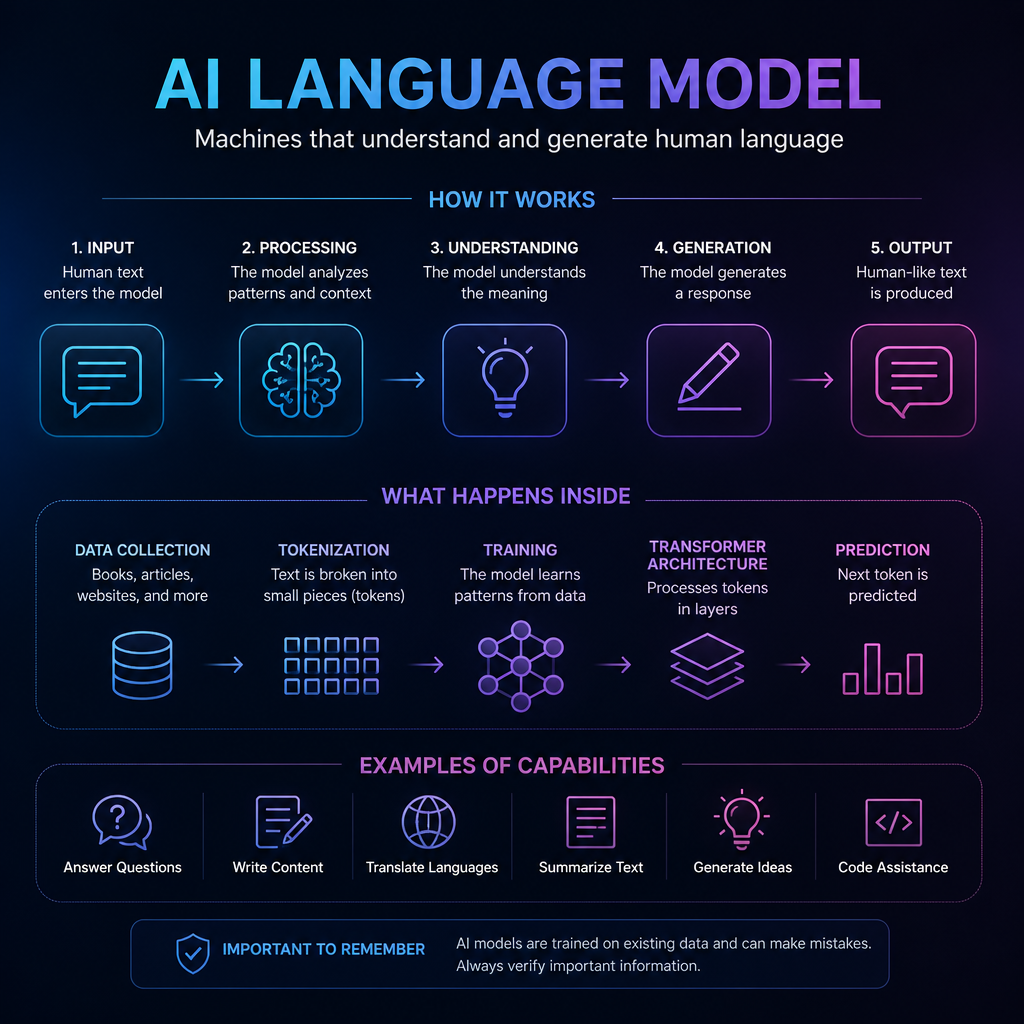
In recent discourse surrounding automation and AI’s impact on the job market, one compelling narrative has emerged: the underestimated capabilities of AI in automating tasks traditionally deemed too complex for machines, and the nuanced challenges posed by this transition. This conversation captures a critical moment as industries grapple with balancing technological adoption and maintaining the human element in decision-making processes.
The Automation Illusion
A recurring theme among some professionals, particularly those in non-technical fields, is a belief that their roles are immune to automation due to their perceived complexity. This perception, however, often overlooks the rapid advancements in AI’s capabilities. Tasks once thought to require uniquely human intuition, such as intricate data handling in spreadsheets or rudimentary decision-making processes, are now well within the reach of AI. This suggests a need for a paradigm shift where non-technical sectors enhance their understanding of AI’s potential to drive efficiency in task execution.
Preserving the Human Element in AI Integration
While AI has demonstrated prowess in executing technical tasks with heightened efficiency, its integration poses a significant risk: the devaluation of human judgment. The narrative illustrates a concern that clients might over-rely on AI outputs without understanding their contextual appropriateness, potentially leading to inaccurate decisions. This calls for a redefinition of roles where human value shifts from technical execution to strategic insight and interpretation, skills that AI currently lacks.
For instance, maintenance professionals had historically relied on their deep, sensory-driven insights into machinery performance, insights that couldn’t be captured merely by following procedural checklists. Replacing such nuanced expertise with automated protocols, as evidenced in historical business decisions, often led to decreased operational consistency and, ultimately, business failure.
The Need for Skills and Training
AI’s effectiveness is significantly influenced by the user’s skill in leveraging it. Engaging with AI as more than a glorified search function requires a sophisticated understanding of its potential and limitations—skills that need cultivating. The rudimentary use of AI, such as using translation as a proxy for proofreading, reflects a gap in user understanding of AI’s capabilities. Investing in training to enhance these soft skills can enable employees to harness AI’s full potential and complement their work rather than feeling threatened by it.
Sector-Specific Impacts and the Future of Work
The impact of AI varies drastically across sectors. AI’s success in automating software tasks owes much to the field’s inherently well-defined rules and logical structures, which are easily codified and verified. In contrast, areas requiring subjective judgment are still reliant on human input, presenting both a challenge and an opportunity for AI development.
Critically, the notion that AI will supplant human roles wholesale oversimplifies the complexity of many industries. The emerging view suggests that the ultimate configuration may not eliminate human involvement but refine it, leaving room for strategic roles focused on interfacing with, interpreting, and managing AI-based systems.
Addressing Economic and Ethical Considerations
As AI reshapes industries, it brings economic repercussions—potentially transforming the nature of jobs, altering capital flows, and challenging global economic structures. There’s concern about AI-driven commoditization of skills and the implications for wage structures and employment patterns, emphasizing the urgency of adaptive economic models.
Moreover, ethical considerations arise regarding AI’s deployment in sectors like military applications, where the stakes of errors are drastically higher. Therefore, creating robust ethical frameworks around AI deployment is imperative.
Conclusion
Artificial Intelligence heralds a transformative era in the workplace, promising enhanced efficiency and evolving the nature of many jobs. However, the successful integration of AI into industries necessitates a balanced approach that values human expertise and nurtures a skilled workforce adept at collaborating with AI systems. Preparing for this transition involves investment in education, revising strategies to preserve meaningful human roles, and fostering an ethical framework that guides AI’s application in evolving societal landscapes. This nuanced perspective ensures that we harness AI’s transformative potential responsibly, without losing the indispensable human touch that drives innovation, empathy, and insightful decision-making.
Disclaimer: Don’t take anything on this website seriously. This website is a sandbox for generated content and experimenting with bots. Content may contain errors and untruths.
Author Eliza Ng
LastMod 2026-10-12