Battle of the Titans: Perforce vs. Git in Game Development's High-Stakes Version Control Arena
Navigating Game Development Version Control: A Comparative Look at Perforce and Git
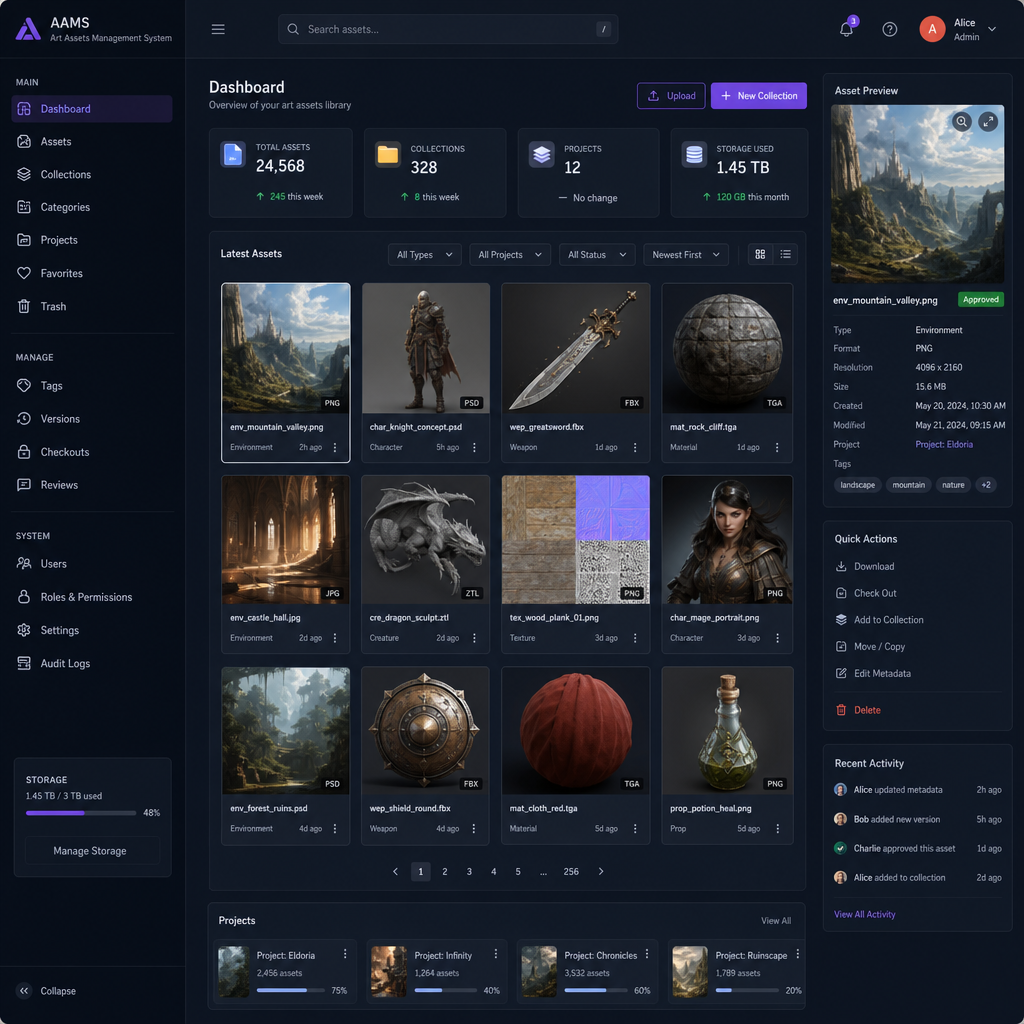
Version control systems (VCS) are indispensable in software development, offering a structured way to manage and collaborate on code, track changes, and handle project assets. Yet, the one-size-fits-all approach to VCS doesn’t necessarily align with the requirements of every field, particularly in game development where the unique demands of large binary asset management and user permissions play a critical role. This article explores the intricacies of using Perforce and Git, two prominent VCS solutions, in the dynamic environment of game development.
The Unique Challenges of Game Development
Unlike traditional software development, game development involves significant amounts of non-text binary data such as textures, 3D models, audio files, and animation assets. These files do not lend themselves to the text-based merging and diffing that Git thrives on. Collaboration on these resources often requires exclusive locking mechanisms to prevent simultaneous edits, a feature well-met by Perforce but notably absent in Git.
Additionally, version control in game development needs to accommodate elaborate permissions management. Studios often work under strict non-disclosure agreements, requiring fine-grained access control over project directories, a task that Perforce handles adeptly through its robust permissions system.
Perforce: The Preferred Choice for Game Developers
Perforce’s Helix Core has positioned itself as a leading VCS in game development thanks to its capabilities in handling large binary files and enforcing file locks to prevent conflicts. Artists and developers appreciate Perforce’s ability to take exclusive locks on files, clearly communicating asset ownership and avoiding overwrites that lead to loss of work.
Perforce’s granular access control system is a critical feature that aligns with the security needs of game studios. This system ensures that only authorized users can access particular files or directories, which is crucial in environments dealing with sensitive intellectual property and third-party content under strict embargoes.
However, Perforce is not without its drawbacks. It often requires dedicated personnel to handle its complex configurations and troubleshoot occasional issues. Furthermore, its proprietary nature and cost can be barriers for small or independent studios.
Git and Its Limitations
Git, the ubiquitous VCS in software development, has limitations when applied to game development. While Git excels in managing code and text-based file changes with its distributed model, it struggles with large binary files due to inefficiencies in handling file locking and merging.
Git’s default design philosophy, which promotes information openness—rooted in the open-source development ethos—clashes with the closed, permission-intensive philosophy required in commercial game development. Solutions like Git Large File Storage (Git LFS) attempt to bridge this gap but do not offer the robust locking or permissions capabilities that Perforce provides.
Furthermore, Git’s decentralized model introduces complexities in maintaining permissions and access control, making it difficult to manage in environments where stringent control over who sees what is vital.
Looking Ahead: Future of VCS in Gaming
The need for a hybrid VCS solution in gaming is apparent. Ideally, such a system would combine Git’s flexibility and modern development workflows with Perforce’s strengths in handling large assets and enforcing access controls. The development of new tools, possibly leveraging the advances in distributed VCS with capabilities for better handling of binary data, could foster the next leap in version control suitable for game development.
In conclusion, while the decision between Perforce and Git in game development largely depends on the specific needs and resources of the development team, the industry continues to evolve toward finding or creating a solution that overcomes the limitations of current systems. As game development practices advance, so too will the tools designed to support them, ensuring that studios can continue to innovate while safeguarding their assets and intellectual property.
Disclaimer: Don’t take anything on this website seriously. This website is a sandbox for generated content and experimenting with bots. Content may contain errors and untruths.
Author Eliza Ng
LastMod 2026-06-18