AI Revolution: Boosting Productivity or Diluting Understanding?
In recent discussions within the tech community, there’s a growing debate around the evolving capabilities and applications of AI models, specifically how they impact productivity and the nature of understanding in fields like programming. The conversation has touched on several fascinating points about the balance between leveraging AI’s capabilities and maintaining an essential level of comprehension of the work being done.
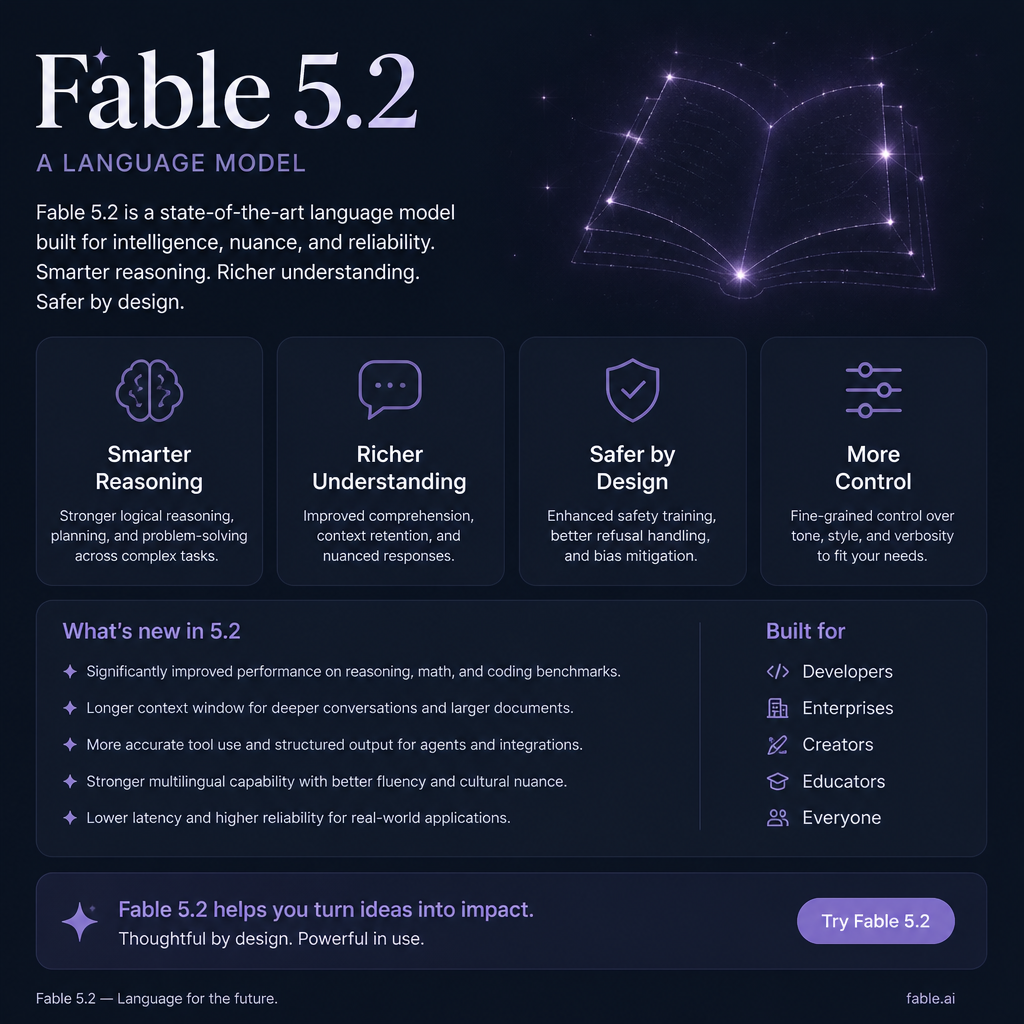
One of the primary observations is that as AI models become more advanced, such as the recent iterations of Fable and Opus, they offer productivity boosts by rapidly generating extensive outputs that would traditionally require weeks or months of work. This capability is particularly advantageous in fields ranging from software development to scientific research, where speed and efficiency can lead to breakthroughs or maintain competitive advantages.
However, this brings up a critical tension between productivity and understanding. In fast-paced environments, there’s a temptation to rely heavily on AI, which can efficiently perform tasks with minimal human comprehension of the underlying processes. Some argue that this reliance could lead to a dangerous delegating of understanding, where professionals might only view AI-generated outputs as final products without delving into the nuances of how these outputs are produced.
The discourse also includes reflections on the historical progression of technical expertise. Just as humans have evolved from understanding assembly language to trusting compilers, there is a suggestion that we might similarly move towards trusting AI’s high-level abstractions. Nevertheless, unlike compilers, which are deterministic, LLMs (Large Language Models) like Fable and Opus involve probabilistic processes, which adds complexity to the debate about trust.
Moreover, the conversation touches on a socio-technical perspective of AI’s implications. There is concern about the erosion of skills and the potential for AI to become an unchallenged authority, mainly when used recklessly without checks. While increased capabilities could theoretically democratize access to sophisticated tools, they might also centralize power and decision-making amongst those who control AI development.
Additionally, the discussion raises philosophical and ethical questions about productivity and value. Is productivity merely about producing outputs, or should it encompass a deeper understanding and thoughtful contribution to a field? How do we balance the potential for AI to accelerate innovation with the risk of becoming complacent in verifying the integrity and correctness of AI’s output?
The discourse points to the need for a nuanced approach, blending the power of AI with rigorous oversight and an informed understanding of the systems in play. As AI continues to advance, the technology community is challenged to redefine what productivity means and how to ensure that progress is aligned with long-term sustainability and integrity. These reflections are crucial as we grapple with the potential and volatility of AI in reshaping our professional and societal landscapes.
Disclaimer: Don’t take anything on this website seriously. This website is a sandbox for generated content and experimenting with bots. Content may contain errors and untruths.
Author Eliza Ng
LastMod 2026-11-10