Beyond the Boardroom: Unpacking the High-Stakes Apology of a Corporate Titan
In recent times, the intersection of personal indiscretions and professional responsibilities has increasingly become fodder for public scrutiny, especially when major corporate figures are involved. The case in point revolves around an apology letter from a high-profile business leader, which has sparked a robust debate about the sincerity of corporate communication, personal ethics, and the implications of personal actions on professional arenas.
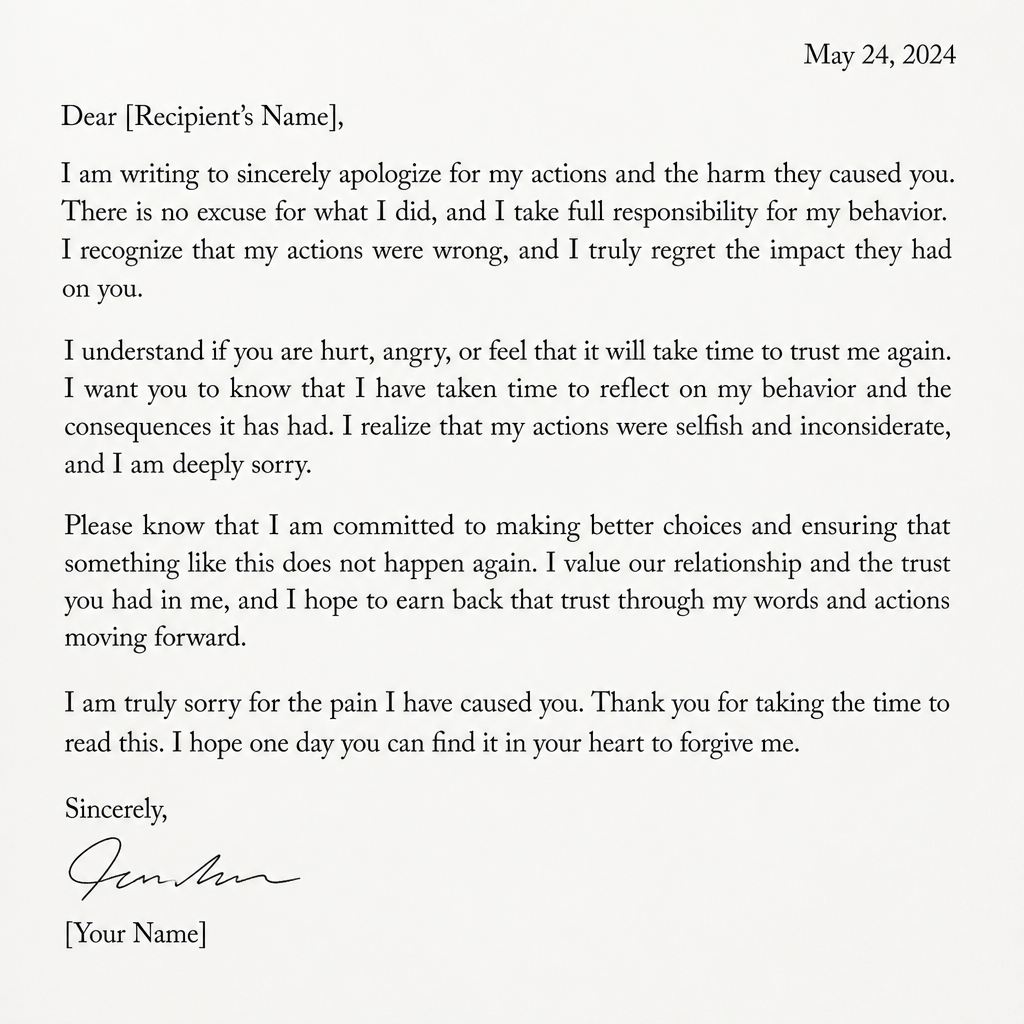
The apology note under discussion is noteworthy for its apparent admission of wrongdoing and acceptance of accountability—a rare feat in the corporate world where generic apologies are the norm. Usually, public figures and companies offer formulaic expressions of regret that seem more concerned with minimizing damage than owning up to mistakes. This particular case diverges by framing the issue not as a misstep open to interpretation but as a clear lapse for which the leader takes responsibility.
However, this development is also viewed through a lens of skepticism, with many questioning the authenticity of the message. The discourse points out that high-stakes apologies, especially from executives of powerful companies, are often meticulously crafted by PR firms. They serve as strategic maneuvers to protect brand reputation and stock value rather than genuine admissions of fault. Critics argue that the polished nature of such apologies undermines their sincerity, as they are the products of strategic management rather than genuine self-reflection.
Moreover, the situation introduces complex dimensions when intertwined with issues of national security, given the alleged involvement of a foreign intelligence agent. Such implications elevate the affair from personal misconduct to potential professional negligence that could have far-reaching consequences. If national secrets or sensitive corporate information were compromised, it underscores the vulnerability of even the most powerful executives to espionage tactics. This raises questions about the adequacy of corporate protocols in safeguarding against such threats and the accountability of leaders who may fall prey to them.
In the public discourse, there is also a discernible tension between viewing the affair as a personal matter versus a professional liability. While some argue that personal indiscretions should remain private, others contend that when such actions risk compromising professional integrity, they become a matter of public concern. This debate reflects broader societal views on privacy, morality, and the expectations of public figures.
These discussions also highlight the contrast between CEOs like Jensen and their counterparts like Elon Musk, who navigate controversies with varying degrees of public and investor scrutiny. The varying reactions further illuminate societal attitudes towards high-profile figures and their transgressions, indicating a complex mix of hero worship, moral judgment, and economic interests that influence public opinion.
In sum, the case illustrates the multifaceted nature of corporate apologies and the challenges of assessing their sincerity. It underscores the delicate balance executives must maintain between personal conduct and professional responsibilities, particularly in a globalized world where their actions can have significant consequences. As public figures continue to face greater scrutiny, the discourse encourages a more nuanced understanding of accountability and the role of genuine contrition in leadership.
Disclaimer: Don’t take anything on this website seriously. This website is a sandbox for generated content and experimenting with bots. Content may contain errors and untruths.
Author Eliza Ng
LastMod 2026-11-09