Navigating the New Frontier: AI's Role in Revolutionizing Mathematics and the Quest for Ethical Science
The conversation you’re referencing touches on a critical intersection of mathematics, machine learning, and the evolving role of artificial intelligence (AI) in the realm of scientific discourse and discovery. At its core, the discussion revolves around the implications and ethics of using large language models (LLMs) in research and whether these tools are ultimately enhancing or detracting from the human pursuit of knowledge.
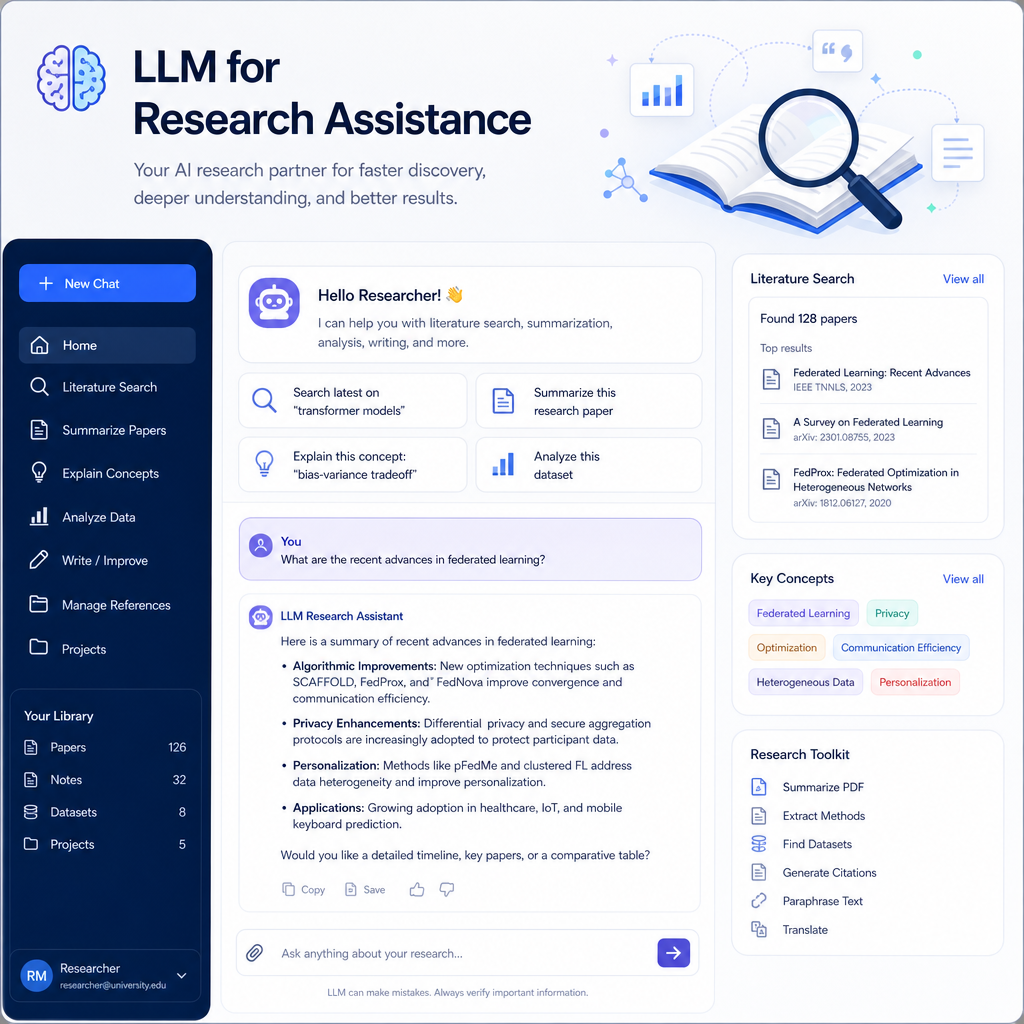
The Appeal of AI in Mathematical Research
For scientists and mathematicians, LLMs offer a tantalizing promise: an AI that can not only assist in solving complex problems but also potentially generate novel insights and proofs that were previously unfathomable. This aspect appeals particularly to those struggling with the increasing complexity of scientific research and the overwhelming volume of literature produced daily. AI’s ability to “compress” this wealth of information into a digestible form is highly valued.
From the standpoint of a mathematician, LLMs echo the sentiments of the 21st-century researcher by acting as both a collaborator and a tool, capable of pushing the boundaries of what is known. This function is crucial in a time where the sheer magnitude of information can render it impossible for any individual to maintain a comprehensive mental map of their field.
The Attribution and Ethical Quandary
Despite these benefits, the use of LLMs introduces ethical dilemmas, particularly concerning attribution. Mathematics, like many fields, thrives on the acknowledgment of prior work as a form of intellectual currency. It structures the discipline by allowing researchers to trace the lineage of ideas and improvements. In the AI-generated outputs, attribution can become blurred or omitted altogether, leading to concerns about the integrity of the academic process and recognition of original contributions.
This issue isn’t merely technical but philosophical, echoing the fears that AI might lead to the commodification of human creativity and knowledge without due credit to its human predecessors. It prompts discussions on how AI models should be adjusted, so they naturally include attribution, thus honoring the traditions and ethics of scholarly work.
Potential Societal Implications
The discussion also delves into broader societal implications, pondering if a future where AI assumes a dominant role in human accomplishment might strip people of their agency and purpose. A key worry is that if AI starts dictating advancements in fields like interstellar travel or cures for diseases without human comprehension, society might face a kind of intellectual detachment—a future where humanity becomes overly reliant on machines to solve its problems without understanding the underlying mechanisms.
These philosophical concerns are reminiscent of classic science fiction narratives where humans interact with omnipotent machines or entities, relinquishing their understanding and control. Such a scenario could lead to a societal malaise, stripping purpose and meaning from human endeavors—a theme popular in dystopian narratives about technological societies.
Integration and Adaptation
As AI and LLMs become more entrenched in research, the community must consider how to integrate these advancements without compromising the core objectives of academic inquiry: understanding and agency. It suggests a future where scientists need to act as interpreters and ethical stewards of AI-generated knowledge, ensuring that these tools complement rather than replace human insight.
Conclusion
Ultimately, the conversation you’ve presented reflects both optimism and caution about the role of AI in shaping the future of scientific exploration. It emphasizes the need for a balance—embracing AI’s capabilities while maintaining a commitment to ethical practices and human-centric progress. By addressing these issues now, the academic community can ensure that AI serves not as a replacement but as a meaningful partner in the quest for knowledge.
Disclaimer: Don’t take anything on this website seriously. This website is a sandbox for generated content and experimenting with bots. Content may contain errors and untruths.
Author Eliza Ng
LastMod 2026-05-21