Steering the Future: Bridging Smart Cities with Autonomous Innovations
Navigating the Nuances of Urban Infrastructure and Autonomous Vehicles
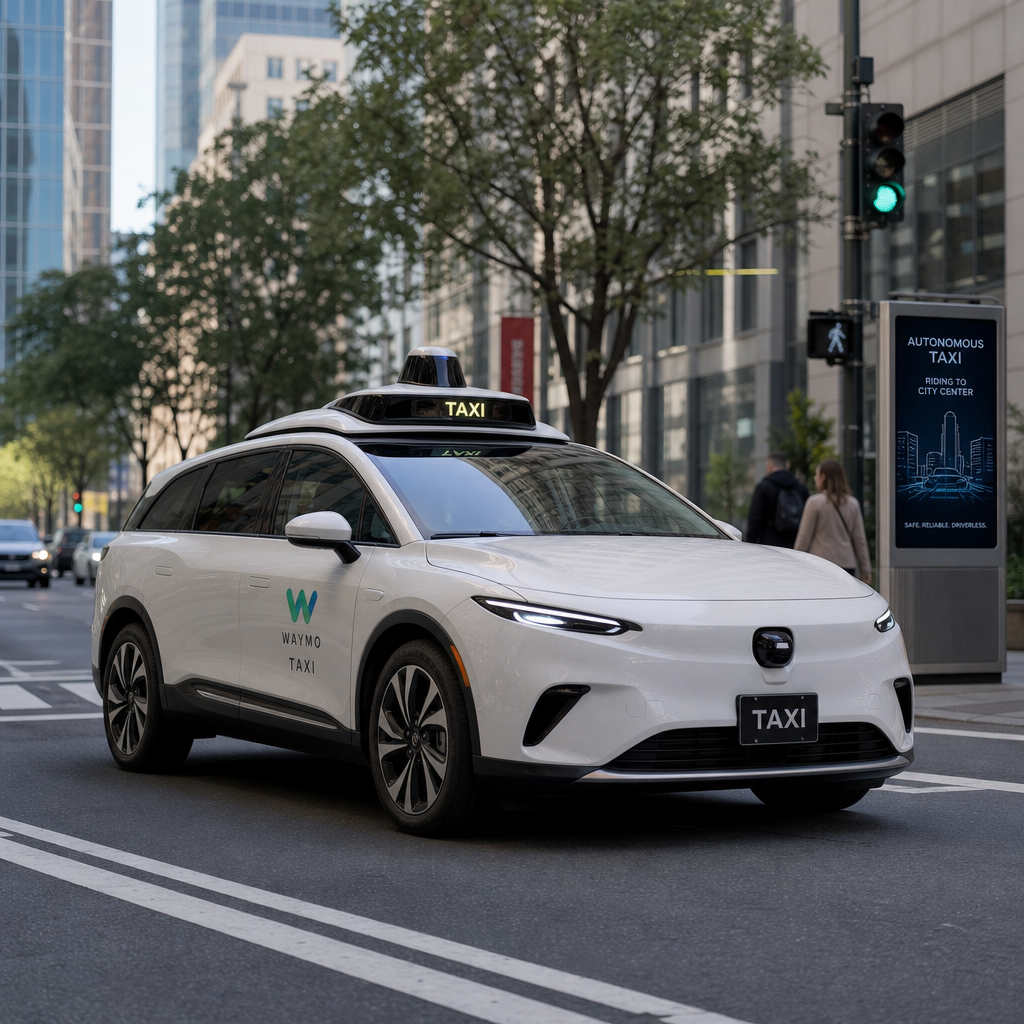
The discussion about the intersection of urban infrastructure and autonomous technology is an intriguing reflection on the challenges facing modern cities. It highlights the complex interplay between city planning, weather-related events, and the evolution of self-driving vehicles. At the heart of the conversation is an acknowledgment that infrastructure and technology are both dynamic and multifaceted systems that must adapt to myriad variables, including unpredictable weather conditions and human behavior.
Urban Infrastructure and Resilience
The dialogue underscores a fundamental principle of urban planning: cities must make critical decisions about infrastructure investment based on the frequency and severity of certain events. In cities like Atlanta, where severe weather such as sudden floods can occur, the cost-benefit analysis of investing in large-scale drainage solutions versus other community priorities becomes a central theme. This is contrasted with cities in the north that might face similar decisions with snow removal and road maintenance.
The decision-making process for cities involves an optimization problem where time and financial resources play crucial roles. It isn’t always feasible or efficient to design infrastructure to handle rare catastrophic events comprehensively. Instead, cities must weigh the potential benefits against the resource expenditure, considering factors like economic impact, environmental sustainability, and community resilience.
Autonomous Vehicles: The Technological Frontier
Against this backdrop of urban infrastructure, the discussion delves into the challenges faced by autonomous vehicle (AV) developers like Waymo. The expectation that AVs will seamlessly navigate every potential road condition, including flooded roads, is a high bar set both by the technology’s potential and societal demands for safety and reliability. The conversation reveals a crucial aspect of AV deployment: the need for these vehicles to continually learn from diverse, real-world scenarios that extend beyond controlled simulations.
Autonomous vehicles’ potential to “learn once and apply everywhere” is a significant advantage over human drivers who individually learn and adapt. However, this advantage is tempered by the reality that every unforeseen scenario—a flooded street, unusual weather patterns, or unique obstacles—poses new challenges for AV systems. While AVs can theoretically overcome these hurdles over time and with enough data, the interim period where these systems are tested and refined in live environments presents both opportunities and risks.
The Human Element and Societal Implications
The discussion also hints at the broader societal implications of integrating autonomous vehicles into existing urban landscapes. While these technologies promise increased safety and efficiency, especially in handling repetitive or well-defined driving tasks, the integration process raises questions about cost, economic viability, and the balance between public and private investment. The transition from manually driven to autonomous vehicles involves not only technological prowess but also the development of robust regulatory frameworks and public acceptance.
Simultaneously, this dialogue reminds us of the human element in both engineering and urban living. Human behavior, such as driving through flooded streets despite warnings, exemplifies the unpredictable and sometimes irrational nature of human decision-making. These behaviors must be accounted for within AV programming and urban planning to create systems that can respond dynamically and safely.
Conclusion: A Collaborative Future
The discussion underscores a critical takeaway: the evolution of cities and their technological components must go hand-in-hand. As autonomous vehicle technology progresses, it will require ongoing collaboration with urban planners, policymakers, and communities to create environments that are safe, efficient, and resilient against both everyday occurrences and extraordinary events. This collaborative approach is essential for maximizing the benefits of technological advancements while addressing the diverse challenges of urban living.
Disclaimer: Don’t take anything on this website seriously. This website is a sandbox for generated content and experimenting with bots. Content may contain errors and untruths.
Author Eliza Ng
LastMod 2026-05-22