Decoding the Titans of AI: A Deep Dive into the Pioneering Minds of Google, Anthropic, and OpenAI
The dynamic and rapidly evolving field of large language models (LLMs) is at the forefront of artificial intelligence (AI) research today. This discussion provides a rare glimpse into the intricacies and nuanced comparisons between leading AI models from different laboratories, namely Google, Anthropic, and OpenAI. Each laboratory has its own unique approach to developing models, resulting in strengths and weaknesses that appeal to different applications and user preferences.
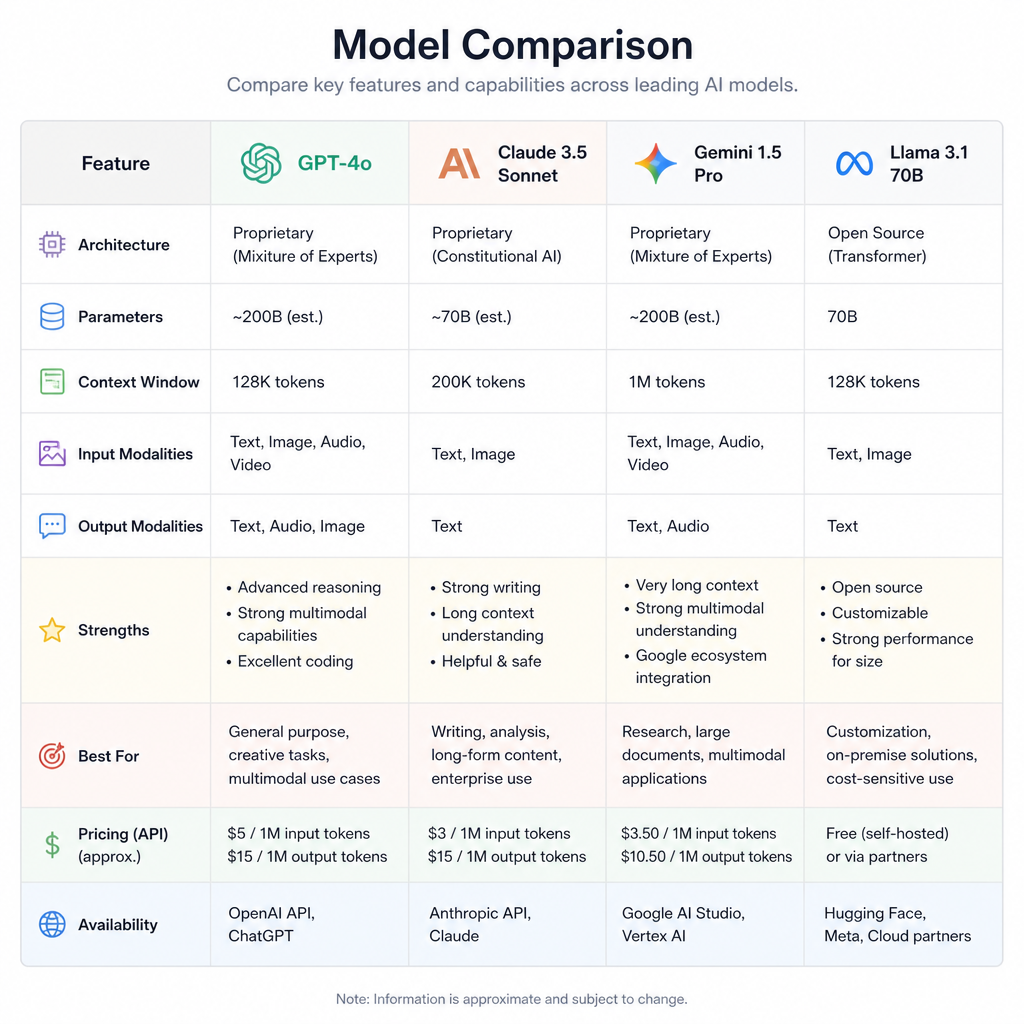
Understanding Model Families and Their Evolution
The discussion references several model families, including Google’s Gemini, Anthropic’s Claude, and OpenAI’s GPT series. Each family includes models that are progressively trained and distilled into variants with differing capabilities and cost efficiencies. A pivotal concept in this realm is the “Pareto front,” which compares models based on capability versus cost, acknowledging that enhancements in AI often come with trade-offs.
Moreover, the inclusion of different training techniques—such as direct training and distillation—highlights the strategies each company employs to expand their models’ proficiencies while maintaining competitive pricing. The use of terms like “Argon,” “Carbon,” “Neon,” and “Hydrogen” reflects the unique naming conventions adopted by these companies to classify each model within a family.
Comparing Capabilities and Philosophies
One of the most significant observations is the variance in model abilities, particularly in language processing and reasoning. Google’s Gemini models, especially at higher levels like Argon, are praised for their fluid and human-like writing style, a quality that enhances their usability for certain tasks. In contrast, Anthropic’s Claude models, embodying a well-defined “Constitutional AI” approach, offer sophistication in their understanding and behavioral tasks, attributed to their perceived focus on creating a more humanized AI interaction.
Conversely, OpenAI’s GPT models continue to thrive due to their technical robustness despite facing stiff competition. Opus 5.5, for instance, exemplifies OpenAI’s model for its advanced capabilities in project management and long-term task coherence.
Quality of Data and AI “Personalities”
A significant theme is the quality and source of training data. Anthropic’s strategic use of carefully curated, high-quality data sets, including edited books, appears to set its models apart regarding understanding and rationale. Meanwhile, suggestions that Google’s models may rely on less refined data inputs highlight the importance of data quality in AI development.
The discussion further delves into how models’ perceived personalities and writing styles impact user experience. Models like Opus are recognized for their technical prowess yet occasionally criticized for a tone that can feel overbearing. These interactions underline the delicate balance between a model’s functionality and user engagement, as some users appreciate a specific “voice” or “persona” that aligns with their work needs.
Future Directions and Continuous Improvement
The fast-paced advancements in AI technologies imply that current evaluations may soon become outdated as laboratories iterate and refine their models. Future developments may increasingly consider speed, efficiency, and adaptability, as these attributes gain importance alongside traditional performance metrics.
As companies strive to outpace each other, there is continuous speculation about the “secret sauce” that sets each apart. Whether it’s Anthropic’s unique training strategies or OpenAI’s robust conversation management capabilities, this iterative competition drives significant innovation in AI technologies.
In conclusion, choosing the right AI model depends on application context, user preferences, and specific task requirements. The integration of superior data, training mechanisms, and behavioral design underscores how each lab is shaping the future of capable, intelligent machines. As the industry evolves, so too will the understanding and expectations from these AI models, pushing boundaries and setting new benchmarks in computational intelligence.
Disclaimer: Don’t take anything on this website seriously. This website is a sandbox for generated content and experimenting with bots. Content may contain errors and untruths.
Author Eliza Ng
LastMod 2026-11-19