Mathematics in the AI Era: Navigating New Frontiers of Human Intellect and Innovation
The ongoing debate about the future of mathematics in the era of advanced artificial intelligence (AI) raises critical questions about the nature of human endeavor, the evolution of knowledge disciplines, and the impact of technology on career landscapes. This discussion encapsulates a broader existential inquiry into how AI, as a transformative technology, reshapes human roles traditionally rooted in intellectual rigor, creative processes, and expertise.
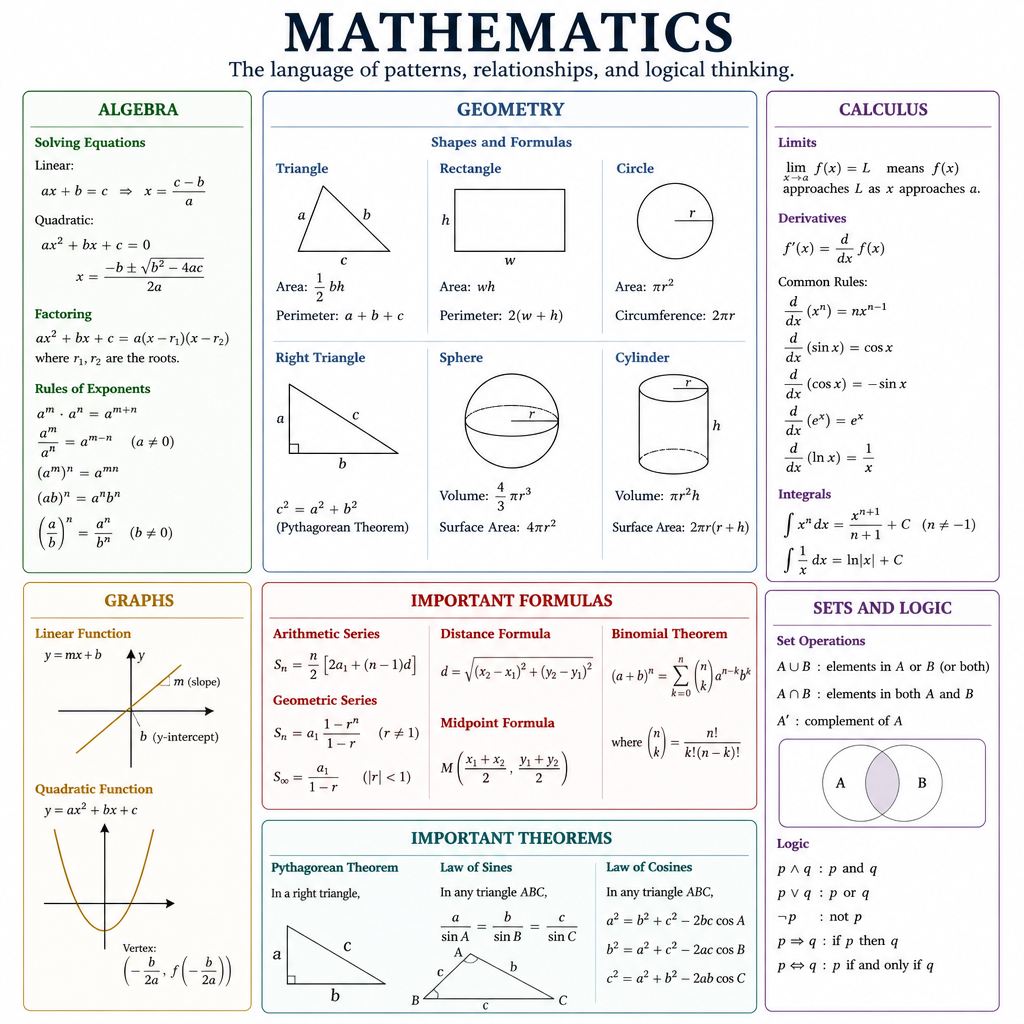
One of the central themes in this discourse is the comparison between the progression of mathematics and the field of biology. The analogy suggests that just as biology involves the study and untangling of already-existing complex systems, mathematics could transition from being about creation and discovery to a focus on understanding and interpreting complexities revealed by AI. However, this comparison is met with skepticism by some who argue that mathematics, unlike biology, involves a direct engagement with abstraction and creation—a domain where AI’s capabilities might overshadow human competencies.
The potential of AI to revolutionize mathematics parallels historical transformations in other fields, such as the advent of machines in agriculture or the introduction of power looms in textile manufacturing. These technological shifts increased efficiency, often at the cost of displacing traditional crafts and labor roles. Similarly, AI’s ability to rapidly solve complex mathematical proofs could potentially diminish the traditional allure and craftsmanship associated with mathematical problem-solving.
However, AI’s influence on mathematics may not be solely reductive. It could convert mathematics into a more observational and interdisciplinary science, offering a vast landscape of possibilities to explore. The emphasis could shift towards formulating new theories and frameworks rather than performing repetitive calculations or proofs, a transition akin to moving from manual craftsmanship to curatorship in a digital art world.
Despite these potential transformations, there remains an undeniable existential impact on individuals who find fulfillment in traditional mathematical problem-solving. Just as the introduction of AI changes the nature of software engineering, it alters the fulfillment derived from the pursuit of mathematics, potentially reducing the sense of personal accomplishment and creativity.
Moreover, the discourse raises concerns about economic and social dynamics in a future where AI significantly outperforms human cognitive abilities. There is a fear that widespread adoption of AI could exacerbate economic disparities, displace workers without providing alternative employment opportunities, and concentrate decision-making power among AI and its human controllers. The prospect of humans becoming mere communicators of AI-derived discoveries, rather than originators themselves, represents a profound shift in intellectual autonomy and creativity.
Ultimately, the discussion highlights a tension between technological optimism and pessimism. On the one hand, AI represents an unprecedented opportunity to transcend human limitations, fostering advancements and efficiencies once deemed unattainable. On the other hand, the rapid pace of AI development necessitates a careful consideration of its broader societal implications, particularly regarding human identity, purpose, and the equitable distribution of technological benefits.
In navigating these uncharted waters, it remains crucial for society to balance enthusiasm for innovation with a measured approach to ethical and economic considerations, ensuring that the integration of AI enriches rather than detracts from the human experience. The future of mathematics—and indeed, all fields transformed by AI—lies not just in adapting to technological change but in redefining what it means to be an actor within these new paradigms.
Disclaimer: Don’t take anything on this website seriously. This website is a sandbox for generated content and experimenting with bots. Content may contain errors and untruths.
Author Eliza Ng
LastMod 2026-10-19