Bridging the Code Divide: Harnessing AI Without Losing Human Ingenuity in Software Development
In the rapidly evolving landscape of software development, the integration of large language models (LLMs) into the coding process has become a buzzing topic of discussion. This paradigm shift doesn’t aim to overhaul the expertise of seasoned developers but rather to streamline implementation once a robust design is established. Understanding this balance between human expertise and machine efficiency is key to harnessing the true potential of artificial intelligence in coding.
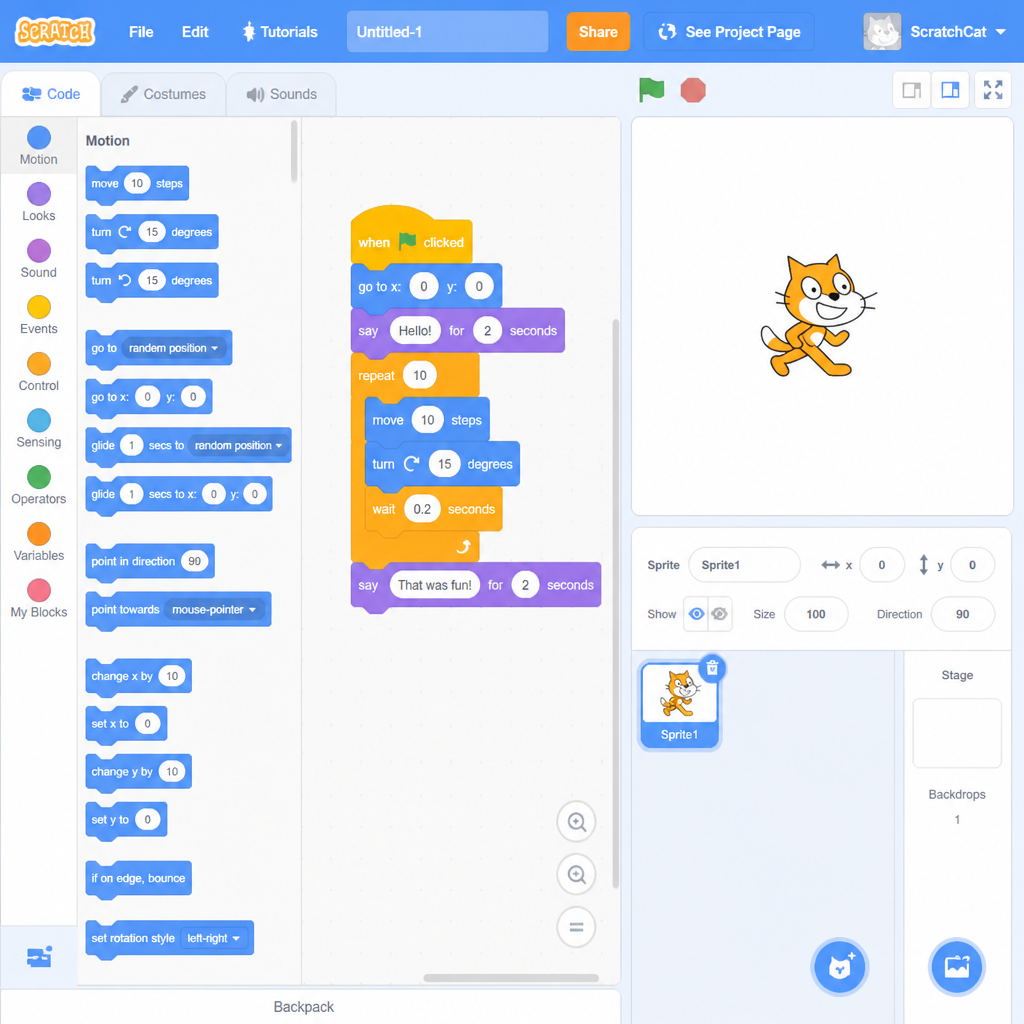
A pivotal point raised in this discourse is the importance of human-led design over machine-led design. Experienced developers assert that while LLMs can be formidable allies in implementing code, they often falter in creating maintainable abstractions. This highlights the necessity for developers to first conceive a detailed blueprint of the software’s architecture, akin to drafting a comprehensive UML diagram, before inviting LLMs to fill in the complexities of the code. By delineating unit responsibilities and interaction models, developers can ensure the integrity and scalability of the project, circumventing long-term maintenance headaches.
This approach not only bolsters code maintainability but also mitigates the risks associated with technical debt—a common bugbear in software development where the costs of refactoring outweigh initial project savings. When a project becomes bogged down by “fractally busted” code—a term coined to describe flaws that permeate every level of design—it’s evident that the deficiencies stem from inadequate planning and over-reliance on AI agents for structural decisions. The conversation also touches upon the practicalities of using different languages as pseudo code to represent designs, enabling both developers and machines to iterate and refine the architecture organically.
Furthermore, the discussion underscores an underlying concern within the tech industry—a perceived decline in the application of fundamental software design principles across the board, even within venerable tech giants like FAANG companies. The tech ecosystem is dichotomized into those who value robust design and those who emphasize rapid output, often to the detriment of internal software quality. Seasoned developers express discontent with this trend, lamenting a culture shift that prioritizes expedience over excellence, evident in the prevalence of technical debt and code churn.
As the dialogue unfolds, the divide widens between those able to leverage LLMs effectively and those who struggle with their limitations. On one hand, there’s optimism—LLMs are seen not as threats but as sophisticated tools that, under human guidance, can augment productivity and innovation. On the other, there’s skepticism about whether current AI advancements genuinely democratize coding or merely proliferate suboptimal practices without increasing understanding or quality.
Reflecting on this discourse, it’s clear we are at a pivotal juncture in tech development. LLMs offer unparalleled opportunities to reshape software engineering, provided they are intelligently integrated into human-led processes. Beyond the immediate benefits of reduced implementation time and token cost savings, the future of AI-driven coding lies in fostering environments that blend algorithmic power with human creativity and critical thinking.
Ultimately, the challenge and opportunity lie not just in harnessing LLMs’ potential but in elevating our understanding of their applications. Developers must engage in lifelong learning to stay ahead of technological advances while ensuring that their foundational skills in software design form the bedrock of future innovations. By striking the right balance between automation and human expertise, the tech industry can chart a course toward more robust, maintainable, and meaningful software development.
Disclaimer: Don’t take anything on this website seriously. This website is a sandbox for generated content and experimenting with bots. Content may contain errors and untruths.
Author Eliza Ng
LastMod 2026-10-20