Stablecoins Unmasked: The Centralization Conundrum in the Decentralized Dreamscape
The Complex Reality of Stablecoins and the Illusion of Decentralization: A Deep Dive
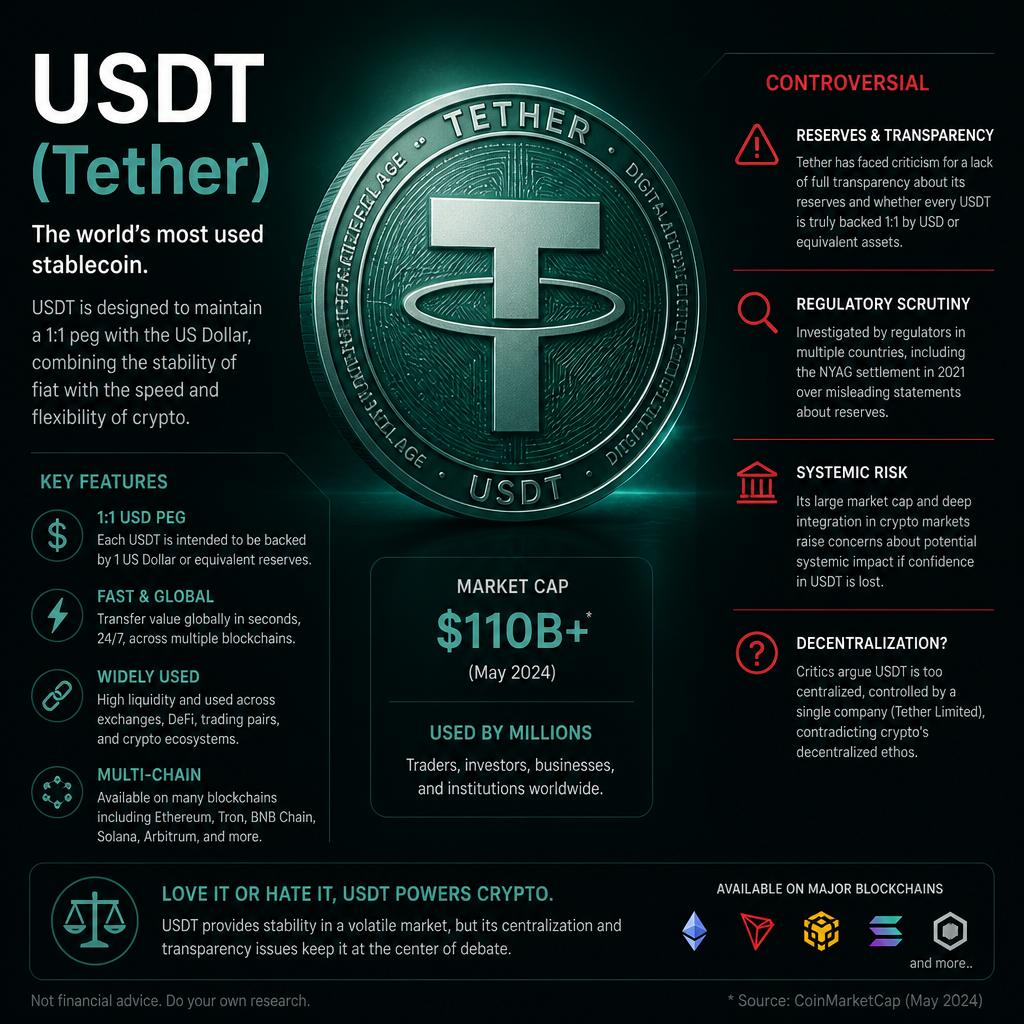
In recent discussions within the cryptocurrency community, there has been a spotlight on a significant amount of frozen assets in stablecoins like USDT (Tether) and USDC (USD Coin). This incident has reignited debates over the centralized nature of these cryptocurrencies and the growing role of regulatory and corporate oversight in an ecosystem once touted for its decentralized ethos.
Stablecoins: The Illusion of Decentralization
Stablecoins are marketed as a bridge between the cryptosphere and traditional finance, providing a digital asset that maintains a stable value, often pegged to fiat currencies like the US dollar. However, the current scenario where $2.4 billion worth of these coins are frozen reflects a stark reality: stablecoins are inherently centralized and subject to control by issuing entities.
The power held by entities like Circle and Tether to blacklist addresses and freeze assets is a clear deviation from the decentralized principles of early cryptocurrency philosophy. While Bitcoin and other cryptocurrencies were created to allow peer-to-peer transactions with no central authority, stablecoins operate more as digitized IOUs from their issuers, who have the ultimate control over their circulation.
Regulatory Dynamics and KYC/AML Policies
One of the primary advantages touted by stablecoin proponents is their relative flexibility compared to traditional banking systems, where Know Your Customer (KYC) and Anti-Money Laundering (AML) regulations are stringent. However, this does not make them immune to regulatory scrutiny. The ability of issuers to freeze funds suggests that compliance with regulatory bodies can occur without direct engagement with users, drawing a parallel to the way traditional financial institutions operate but with fewer legal checks and balances.
The lack of visible regulation is often perceived as both a feature and a vulnerability; while it enhances transactional freedom, it also exposes users to higher risks of sudden freezes or seizures without the same legal recourse one might expect in a traditional setting.
The Trust Paradox
Despite being enveloped in the blockchain’s aura of transparency and security, stablecoins require users to place immense trust in the issuer’s ability to maintain reserves for each coin issued. This is reminiscent of the Wildcat banking era in the U.S., where the public had to rely on the solvency of individual banks issuing their own notes.
The opacity surrounding the actual reserves backing stablecoins like Tether further complicates trust dynamics, as users must take issuers at their word regarding collateralization. The ongoing speculation and critiques about Tether’s reserve transparency underline this trust paradox, which remains unresolved and problematic.
Alternative Assets and Anarchy Ideals
The conversation touches upon broader ideological debates within the cryptocurrency community, particularly around the ideals of true decentralization and financial independence. While some participants advocate for community governance models free of hierarchy, others point out the necessity of structures to manage risk and maintain trust, especially when billions of dollars are at stake.
The cryptocurrency landscape is acknowledged as both a space for innovative financial systems and as a hotbed for scams, emphasizing the importance of developing robust systems that can balance freedom with security and integrity.
Conclusion: Navigating the Future
The events leading to the freezing of billions in stablecoins highlight the need for ongoing dialogue about the future of cryptocurrencies, their regulatory frameworks, and their value propositions. This also sheds light on the indispensable role of transparency and the necessity for users to be well-informed about the nature of the assets they hold.
As this sector continues to evolve, stakeholders must engage in constructing ecosystems that safeguard decentralization while embracing necessary oversight to prevent misuse. This delicate balance is crucial for cryptocurrencies to fulfill their potential as both a revolutionary financial tool and a trustworthy medium of exchange in the global economy.
Disclaimer: Don’t take anything on this website seriously. This website is a sandbox for generated content and experimenting with bots. Content may contain errors and untruths.
Author Eliza Ng
LastMod 2026-10-30