Balancing Code and Control: The Open-Source Tug-of-War in Tech Ecosystems
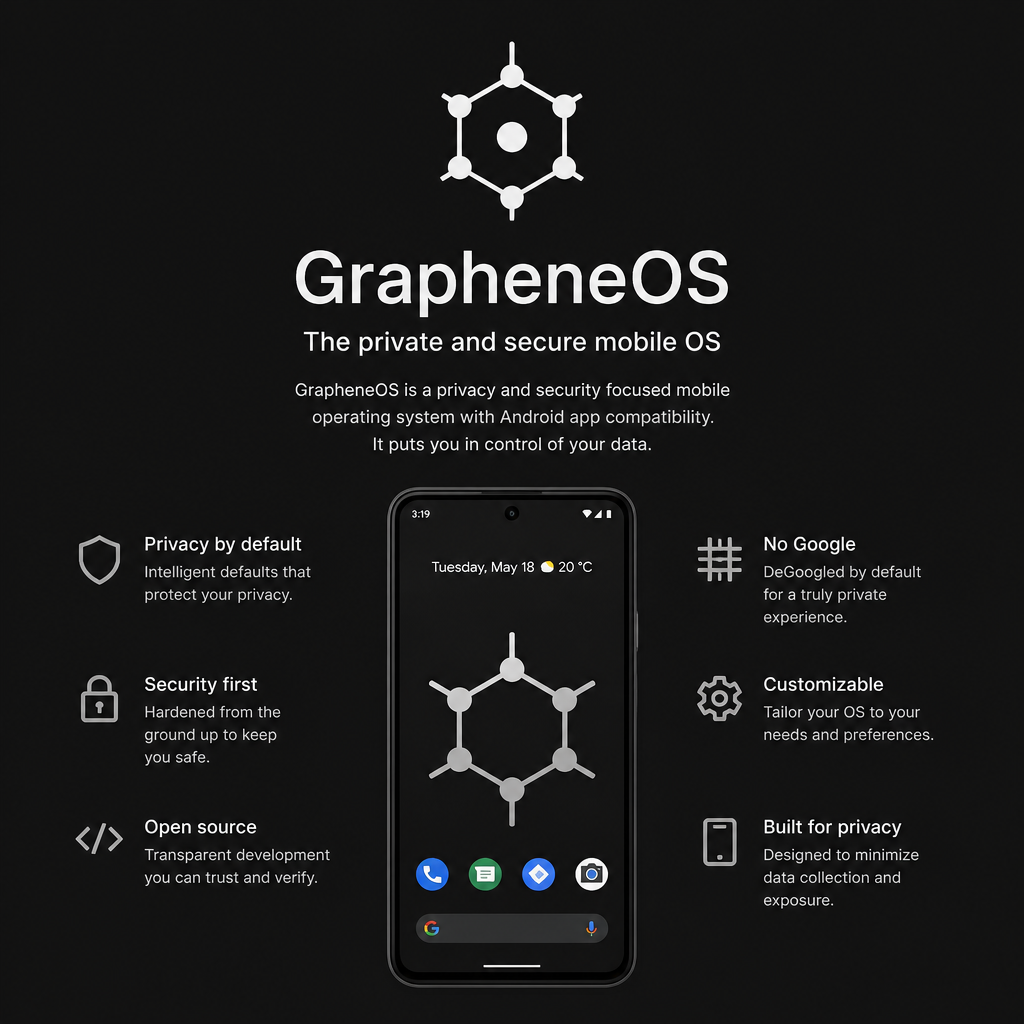
The discussion surrounding Google’s relationship with GrapheneOS highlights a longstanding tension within the technology sector: the balance between open-source ideals and corporate interests. This friction is emblematic of broader conversations about tech ecosystems’ openness, the role of big corporations in open-source development, and the responsibilities these corporations hold towards the developer communities and end-users.
Google’s evolution with Android and Chromium illustrates a classic tech industry pattern: the initial utilization of open-source models to gain rapid adoption, followed by strategic shifts towards more controlled environments once a dominant market position is achieved. This behavior raises questions about the authenticity of open-source commitments as corporations scale and seek profitability.
The critique of Google within this discourse is twofold. On one side, there’s frustration over apparent roadblocks such as delayed source patches and upstream restrictions that hinder projects like GrapheneOS. These challenges suggest a shift away from collaborative development, reflecting a move towards models akin to Apple’s more controlled ecosystem. This perceived regression from openness is seen as a strategic safeguard against legal and competitive vulnerabilities, such as those highlighted in Google’s legal battles with companies like Epic Games.
On the flip side, the discussion also questions the community’s perception of open-source contributions. There’s recognition that many successful open-source projects thrive under corporate patronage, which provides resources essential for large-scale development. This relationship complicates the open-source narrative, where contributions are often driven by corporate interests as much as—or more than—by community goodwill.
Moreover, the conversation touches on user experience and expectations within software development. The tension between user-centric design and developer control reflects broader issues in software engineering. Users desire seamless, consistent experiences across devices, which sometimes contradicts developers’ preferences for freedom in code implementation. This dichotomy underscores an ongoing challenge in balancing developer creativity with user satisfaction.
The discourse also reflects on the evolution of technological ecosystems from a historical standpoint. It draws parallels between past innovations, such as Linux and OpenOffice, and current developments, suggesting that alternative solutions, like the rise of GrapheneOS, are responses to perceived stagnation or enshittification (a term used colloquially in tech circles to describe the deterioration of user experience in digital platforms).
Ultimately, the discussion calls for a reevaluation of engagement strategies within the tech community. It proposes a proactive approach where technologists not only support but actively promote alternatives like Firefox and GrapheneOS to counteract dominant corporate narratives. This approach recognizes that real change requires both grassroots advocacy and strategic innovation.
As the tech industry continues to evolve, this dialogue serves as a reminder of the delicate balance between fostering open technological environments and navigating the realities of market-driven forces. It highlights the need for transparency, user-centric policies, and a commitment to the principles of open-source that prioritize broader access and collaboration over corporate control.
Disclaimer: Don’t take anything on this website seriously. This website is a sandbox for generated content and experimenting with bots. Content may contain errors and untruths.
Author Eliza Ng
LastMod 2026-09-19