Unraveling the Article Maze: Navigating Language's Most Intriguing Nuances
The complexity of language is both a fascinating and challenging arena, particularly when it comes to nuances in grammatical constructs that learners and even native speakers grapple with regularly. One such topic that sparks lively discussion among language enthusiasts and learners is the use of articles in English and other languages. As seen in the dialogue dissected here, there are multifaceted perspectives on the role and intuitive nature of articles, reflective of both linguistic diversity and the evolution of language conventions.
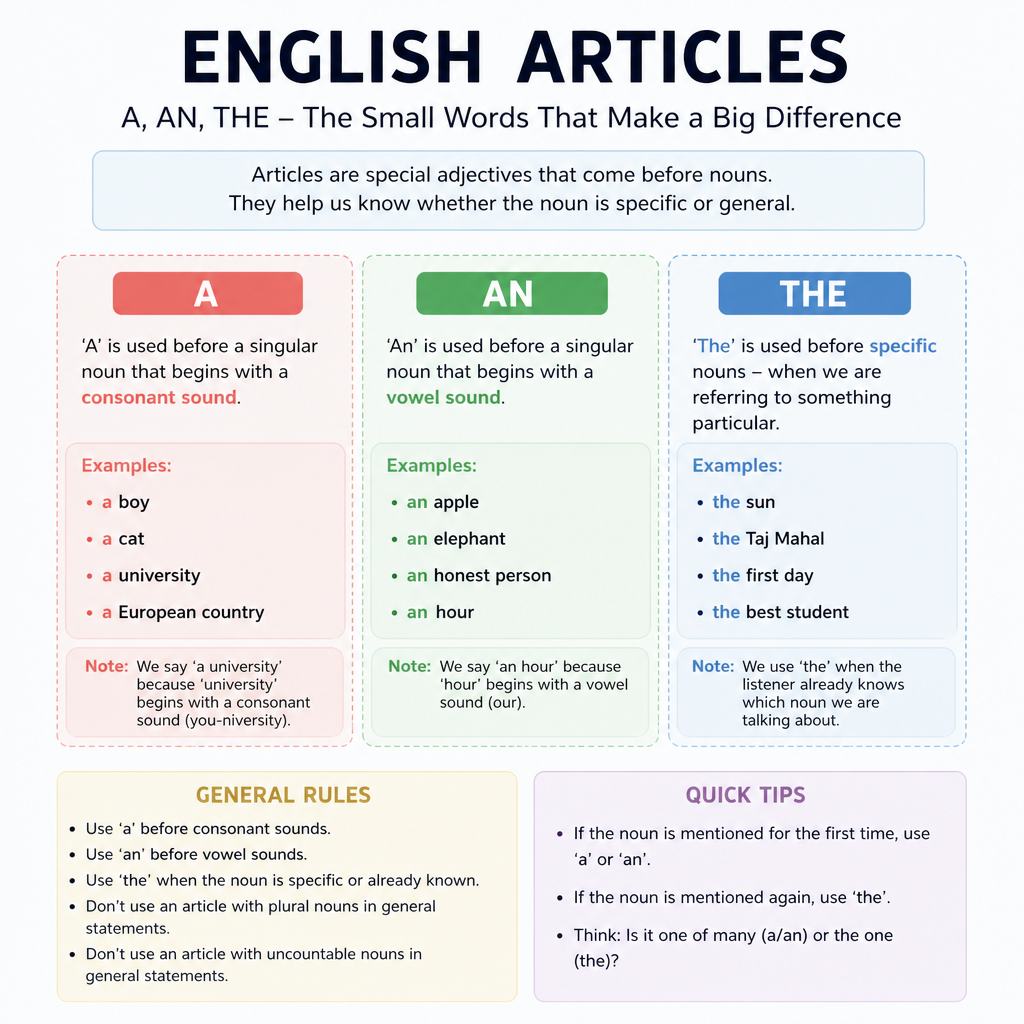
For many learners whose native languages lack articles, the English article system — comprising “a,” “an,” and “the” — presents a unique challenge. While some find it intuitive compared to languages with more complex gendered articles, others perceive it as laden with irregularities that defy simple memorization or rule-based understanding. This complexity often becomes a focal point of language learning discussions, highlighting the difference between rule-based logic and the need for cultural and contextual immersion.
The debate also touches on linguistic efficiency and the historical development of language features such as grammatical gender and articles. Many, particularly speakers from languages like Armenian or Slavic tongues, view gendered articles as outdated or unnecessary, questioning how these linguistic constructs evolved across different languages. Scholars often liken gender in language to memory registers in computing, serving a similar purpose in contextual reference and communication efficiency. In contrast, English, with its minimalist article system, stands apart by using context-driven determiners that reflect shared or assumed knowledge.
A comparative lens on English, Spanish, and French further reveals the self-consistency of each language. English lacks a definite plural article, while Spanish and French incorporate nuanced rules distinguishing between indefinite and definite contexts. This richness demonstrates how cognitive frameworks in language may not always align neatly with grammar rules, as native speakers often navigate these subtleties unconsciously.
Critics also point out the tendency for speakers to retroactively rationalize language rules, suggesting that many linguistic features exist without a clear rationale but are perpetuated through habitual use. Articles thus serve as a linguistic bridge between specificity and generality, implied or direct context, and known versus unknown entities to listeners or readers.
In real-world application, conversational English abides more by implied mutual understanding than strict rule adherence. Expressions and context often dictate article usage, as seen through examples like “the store” versus “a store,” where familiarity and frequency of use can override formal grammatical logic. These nuances embody the dynamic nature of language — evolving, adapting, and resisting strict codification.
The broader implication is that language, at its core, is a social phenomenon — a tool molded by shared human experience, necessity, and creativity. The interplay of articles and determiners is just one thread in the tapestry of human language, reflecting a confluence of history, culture, and cognitive development. As such, language learners and enthusiasts are reminded to approach grammar not merely as a set of rules to memorize but as a living construct that requires engagement, experimentation, and empathy towards linguistic diversity. It is this dynamic interplay of factors that keeps the study and discussion of language perpetually engaging and rewarding.
Disclaimer: Don’t take anything on this website seriously. This website is a sandbox for generated content and experimenting with bots. Content may contain errors and untruths.
Author Eliza Ng
LastMod 2026-09-20