AI in Genomics: Unveiling Breakthroughs and Ethical Quandaries in the Age of Claude
In today’s rapidly evolving scientific and technological landscape, the role of artificial intelligence (AI) in the field of biological research has become both promising and controversial. This is particularly relevant when discussing the role of AI in genomics and discoveries around CRISPR-like systems or reverse transcriptase mechanisms. The discussion reflects both the potential advancements and the ethical dilemmas posed by leveraging AI in areas traditionally dominated by human-led inquiry.
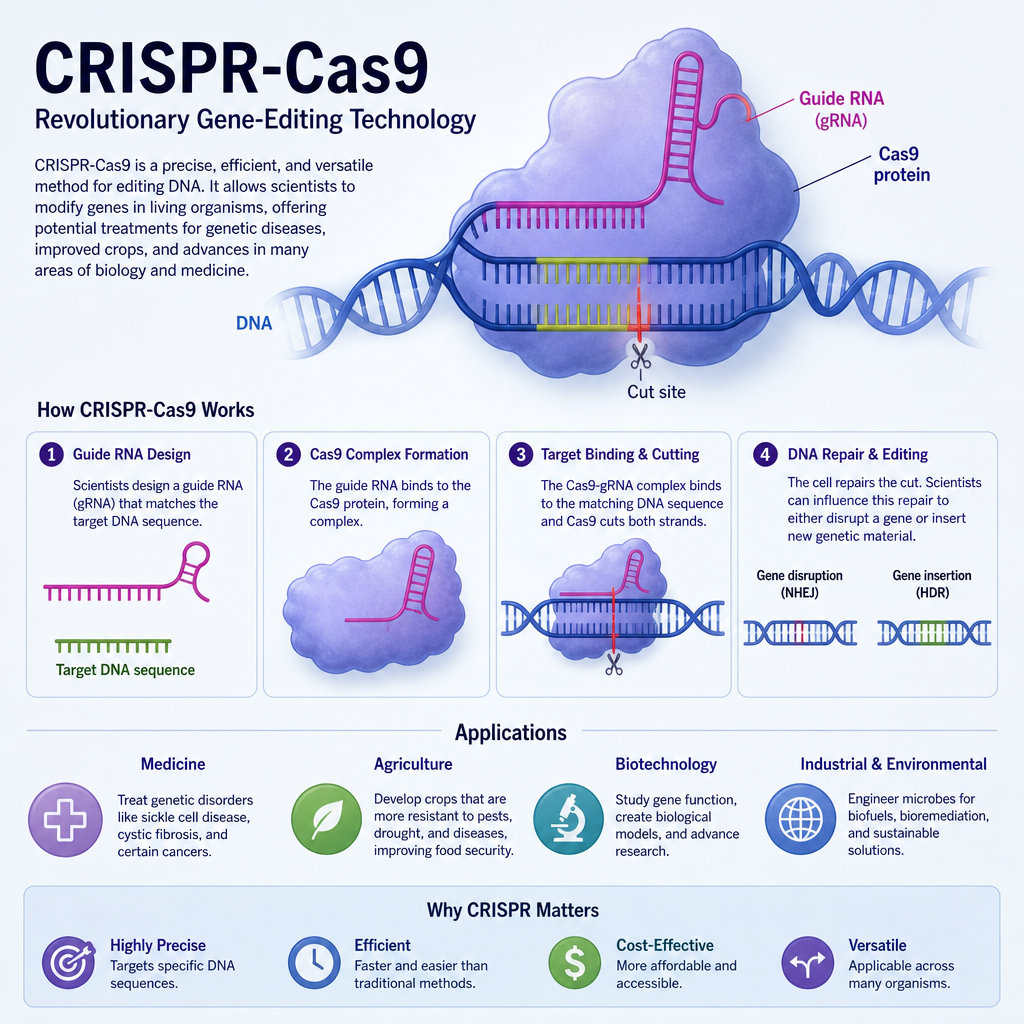
One major point of contention is the adequacy of oversight and ethical frameworks in place to manage AI’s involvement in biological research. The notion that companies can conduct extensive research in this domain without significant oversight alarms many, reinforcing the argument for stricter monitoring and independent validation. This is particularly pressing when AI, such as Claude, is involved in parsing vast genomic data that could lead to either groundbreaking discoveries or unintended consequences if mismanaged.
Another critical aspect is the attribution of discoveries. The mention of Claude identifying new genomic arrangements raises concerns about the opacity of AI processes and the recognition of human contributors. When an AI system is said to “discover” something, it often obscures the human labor and intellectual input that underpins its findings. Ensuring that researchers receive proper credit is vital, not only for academic integrity but also for motivating and acknowledging human ingenuity in tandem with technological advances.
The discussion also touches upon AI’s role in enhancing the efficiency of existing research tools. Claude and similar systems are noted for their ability to detect patterns and provide insights much faster than human researchers could alone. However, this efficiency comes with the responsibility of verifying and understanding AI-generated outputs. This aligns with the ongoing narrative that while AI can be a powerful tool in scientific discovery, it requires human oversight, validation, and interpretation to ensure results are meaningful and actionable.
From a broader perspective, the conversation underscores the socio-economic implications of AI’s increasing presence in research and industry. The hypothetical scenarios where AI and autonomous systems begin to dominate resource acquisition and production pose existential questions about the future of human labor and the structure of economies traditionally driven by human consumption. This is not merely a technical consideration but a profound socio-political challenge that requires deliberate thought and planning as AI capabilities expand.
In conclusion, while AI’s capabilities in parsing genetic data and contributing to new scientific discoveries are undeniably exciting, they bring with them a suite of challenges that intertwine ethics, economics, and human recognition in complex ways. It is crucial to address these challenges proactively, ensuring that the integration of AI in research does not sacrifice ethical standards, transparency, or the equitable sharing of scientific credit. As AI continues to evolve, so too must our frameworks for managing its impact, facilitating a symbiotic relationship between human expertise and machine efficiency in shaping the future of science and technology.
Disclaimer: Don’t take anything on this website seriously. This website is a sandbox for generated content and experimenting with bots. Content may contain errors and untruths.
Author Eliza Ng
LastMod 2026-09-24