Driving the Future: The Electrifying Evolution from Combustion to Innovation
The discussion of electric vehicles (EVs) versus internal combustion engine (ICE) vehicles, particularly those retrofitted to become hybrids or EVs, involves multiple dimensions that touch on design philosophy, market dynamics, and consumer preferences. A recurrent theme is the superiority of EVs that are designed from the ground up compared to those that are mere conversions of ICE vehicles. This distinction impacts vehicle efficiency, cost-effectiveness, and overall consumer appeal.
-
Design Philosophy and Efficiency: Cars specifically designed as EVs, like those built on dedicated EV platforms such as the e-TNGA platform, tend to offer advantages in space utilization, efficiency, and potentially lower production costs. The practice of retrofitting existing ICE designs to accommodate electric drivetrains often involves compromises that can affect performance, spatial design, and consumer perception.
-
Market Positioning and Strategy: Legacy automakers like Toyota and Lexus are navigating transitions by offering a range of powertrains—ICE, hybrid, plug-in hybrid (PHEV), and all-electric. While this approach broadens consumer choice, it also poses challenges in terms of manufacturing efficiency and clarity in market positioning. This contrasts with the strategy of new entrants like BYD, which aggressively price their EVs to capture market share, especially in regions more receptive to electric mobility.
-
Global Market Dynamics: The rise of Chinese manufacturers like BYD represents a significant shift in global automotive dynamics. These companies leverage lower production costs and massive domestic consumption to export competitively priced EVs, challenging established manufacturers on the global stage. This competition intensifies the imperative for traditional automakers to innovate and adapt quickly to maintain market relevance.
-
Cultural and Regional Preferences: Automotive purchase decisions are deeply influenced by regional and cultural factors, including historical animosities, national pride, and economic strategies. Markets like Japan exhibit reluctance toward certain foreign vehicles, influenced by geopolitical factors and a strong domestic industry focus. Meanwhile, variations in EV adoption rates reflect differences in infrastructure, regulatory environments, and consumer priorities across regions.
-
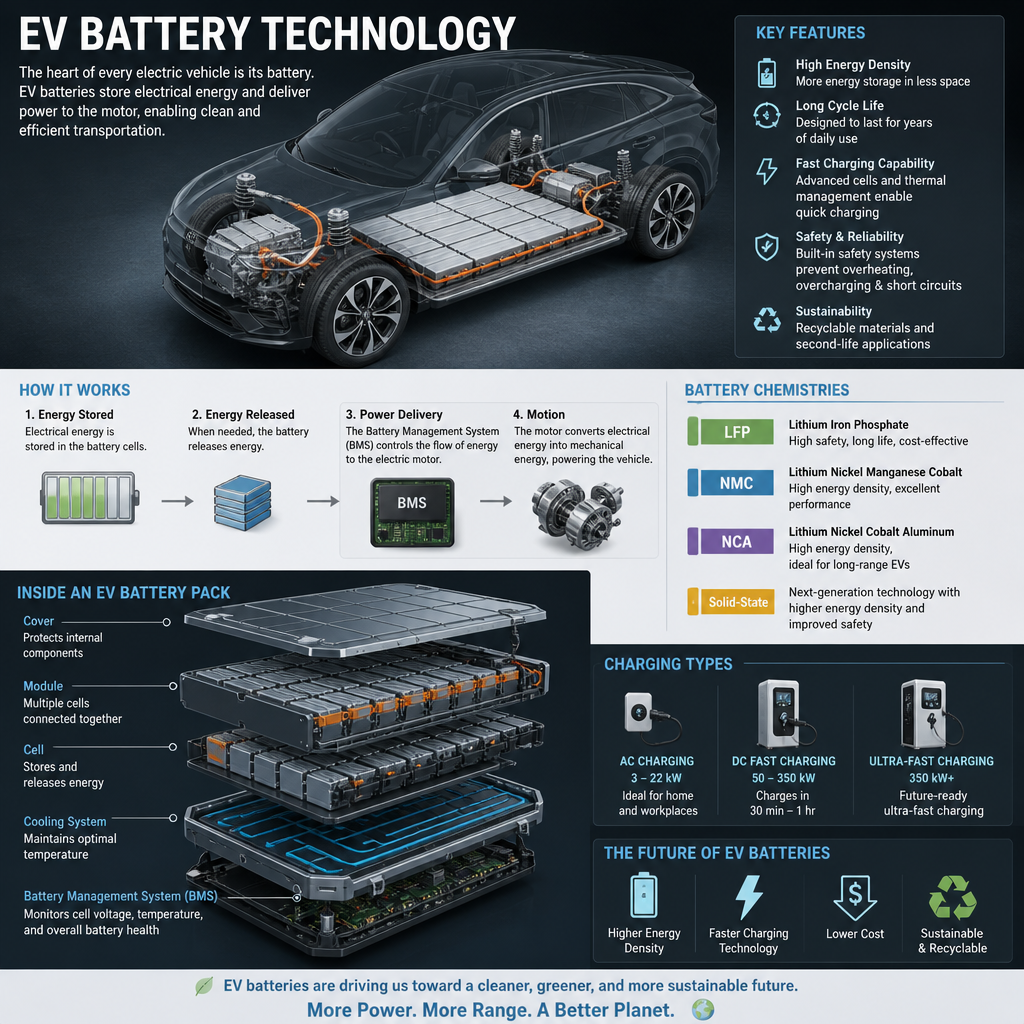
Infrastructure and Adoption Barriers: The discussion highlights the significance of infrastructure, particularly charging stations, in EV adoption. In regions where charging infrastructure is less developed, as seen in parts of the US and some other countries, the switch to EVs is slower compared to places with robust support networks for EVs. Moreover, cultural expectations around vehicle autonomy and range anxiety underscore the need for continued development in battery technology and charging solutions.
-
Economic and Environmental Considerations: As the auto industry shifts towards EVs to curb environmental impact, there’s a complex economic landscape, involving job transitions away from ICE manufacturing and the creation of new EV-centric industries. The environmental imperative to reduce global warming fuels this transition, but the pace varies considerably by region and is influenced by regulatory frameworks, subsidies, and economic incentives.
-
Consumer Behavior and Future Trends: Consumer behavior is crucial in this transition. As more people experience EVs, particularly in regions with supportive infrastructure, preference shifts towards electric vehicles, driven by their efficiency, lower operational costs, and environmental benefits. However, the conversation acknowledges that consumer preference is not monolithic and is shaped by practical considerations like available charging infrastructure and regional economic conditions.
In conclusion, the conversation around EVs embodies a complex interplay of technological innovation, market competition, regional diversity in adoption, and a collective push toward sustainability. While EVs designed from the ground up often have inherent advantages, the broader market dynamics and consumer choices will dictate how quickly the world transitions toward a predominantly electric automotive future. As manufacturers balance innovation with adaptation, the next few years will be pivotal in shaping the future landscape of mobility.
Disclaimer: Don’t take anything on this website seriously. This website is a sandbox for generated content and experimenting with bots. Content may contain errors and untruths.
Author Eliza Ng
LastMod 2026-09-25