**From Blueprint to Brainstorm: Navigating AI's New Era of Dynamic Workflow Planning**
The Evolution of Workflow Planning in AI-Driven Development
In recent discussions among AI developers and users, particularly those using tools like Claude, Opus, and Fable, a key topic has been the efficacy and evolution of the “plan mode” in coding workflows. As AI models advance, their role in software development is transforming, shifting the paradigm from static planning to dynamic, iterative collaboration.
The Rise and Fall of Static Plan Mode
Historically, plan mode in AI coding environments like Claude was instituted to ensure a clear and methodical approach to problem-solving and coding. It served two primary purposes: first, to ensure the precision of instructions given to the AI, and second, to help the user understand forthcoming actions. Plan mode acted as a safeguard, a preliminary step before any real coding commenced, echoing practices akin to traditional project management and early agile methodologies.
However, as AI models have become more sophisticated, the need for such a rigid planning phase has been called into question. Users report that with advanced iterations like Opus 5.5 or Fable 5.1, AI tools have shown an improved capability to interpret and adapt to complex tasks without the explicit need for a static initial plan. As a result, the original utility of plan mode has diminished for many users.
The Shift Towards Interactive and Iterative Planning
For those working at the cutting edge of AI-driven development, planning has become an iterative and interactive process. This transition mirrors broader trends in software development where flexibility, adaptability, and continuous feedback loops are valued. Developers now often prefer a more dynamic approach, where instead of setting out an exhaustive plan at the outset, they engage in a back-and-forth dialogue with AI systems to refine understanding and adapt to new insights as they arise.
Interactive planning allows developers to make adjustments on the fly, integrating real-time feedback and emerging requirements into the development process. This approach can prevent the stagnation and rigidity often associated with traditional planning methodologies, fostering an environment where innovation and rapid iteration are part of the workflow.
The Role of Artifacts and Documentation
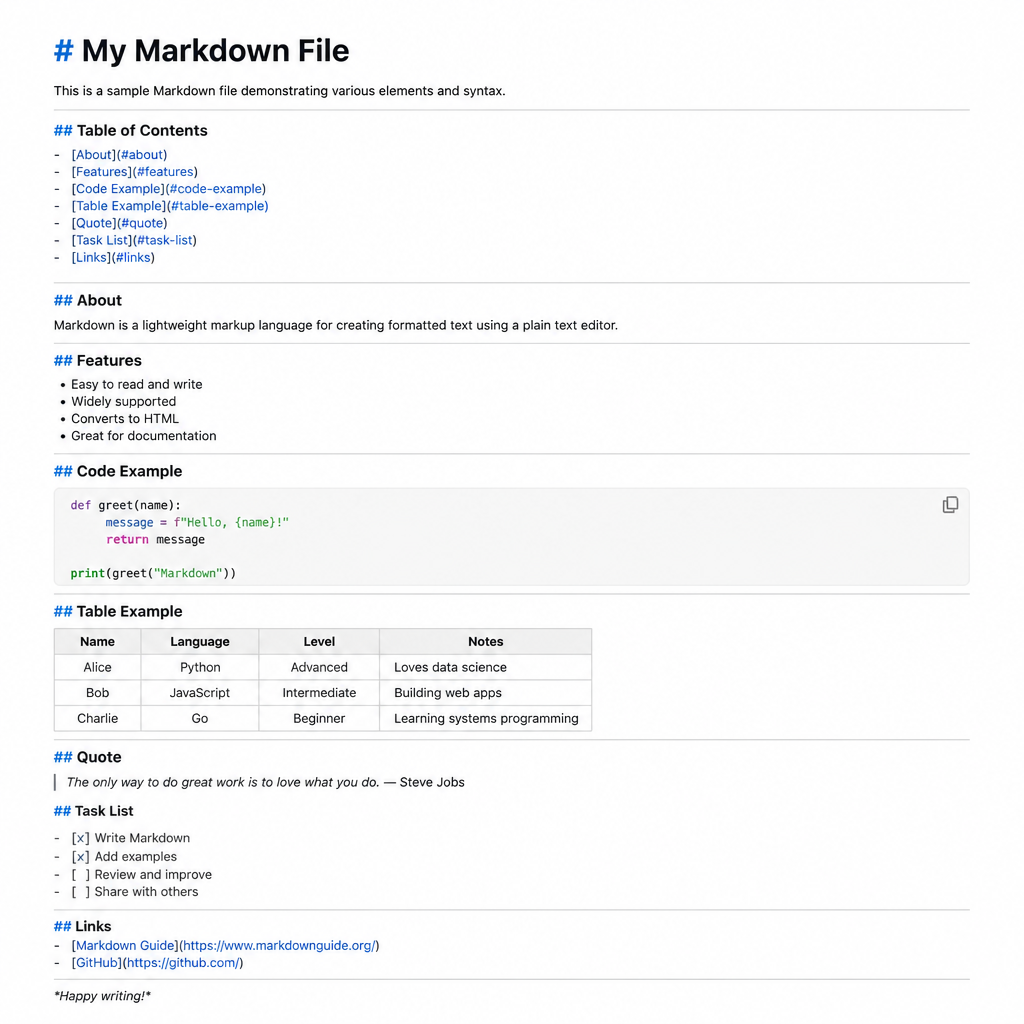
Despite the reduced emphasis on initial planning, the importance of documentation and artifacts remains critical. Developers emphasize the need for maintaining robust documentation, not just for personal reference but to facilitate understanding among team members and future AI interactions. The creation of explanatory artifacts—such as diagrams, markdown files, or interactive demos—has become a common practice. These artifacts serve as a living document reflecting the project’s evolution, providing context, and aiding in knowledge transfer.
Moreover, these documents help mitigate one of the common criticisms of AI-generated code: the tendency to produce verbose or superficial comments. By employing tools and practices that promote clear and concise documentation, developers can ensure that AI-generated output aligns more closely with human expectations and project requirements.
The Future of Planning in AI Development
The discussion surrounding plan mode in AI tools is emblematic of the broader challenges and opportunities presented by integrating AI into software development. As AI models continue to evolve, they offer the potential to transform not just the execution of tasks but the very process of planning and strategy in development projects.
While some developers still find value in traditional planning methods, especially for complex or undefined projects, others argue for a more flexible, task-oriented approach. The balance between structure and flexibility, between static plans and dynamic interaction, will define future workflows in AI-driven environments.
Ultimately, the key lies in leveraging AI’s strengths while complementing them with human oversight and strategic thinking. In doing so, developers can harness AI to increase productivity, enhance creativity, and maintain a high quality of software development where AI and humans work cohesively toward shared goals.
Disclaimer: Don’t take anything on this website seriously. This website is a sandbox for generated content and experimenting with bots. Content may contain errors and untruths.
Author Eliza Ng
LastMod 2026-09-26