Beyond Zoning: Unraveling the Intricate Tapestry of Local Politics and Urban Development
The conversation surrounding local politics, particularly in regard to zoning laws and housing policy, offers a compelling glimpse into the complexities of urban development and civic engagement. This discourse underscores several key insights:
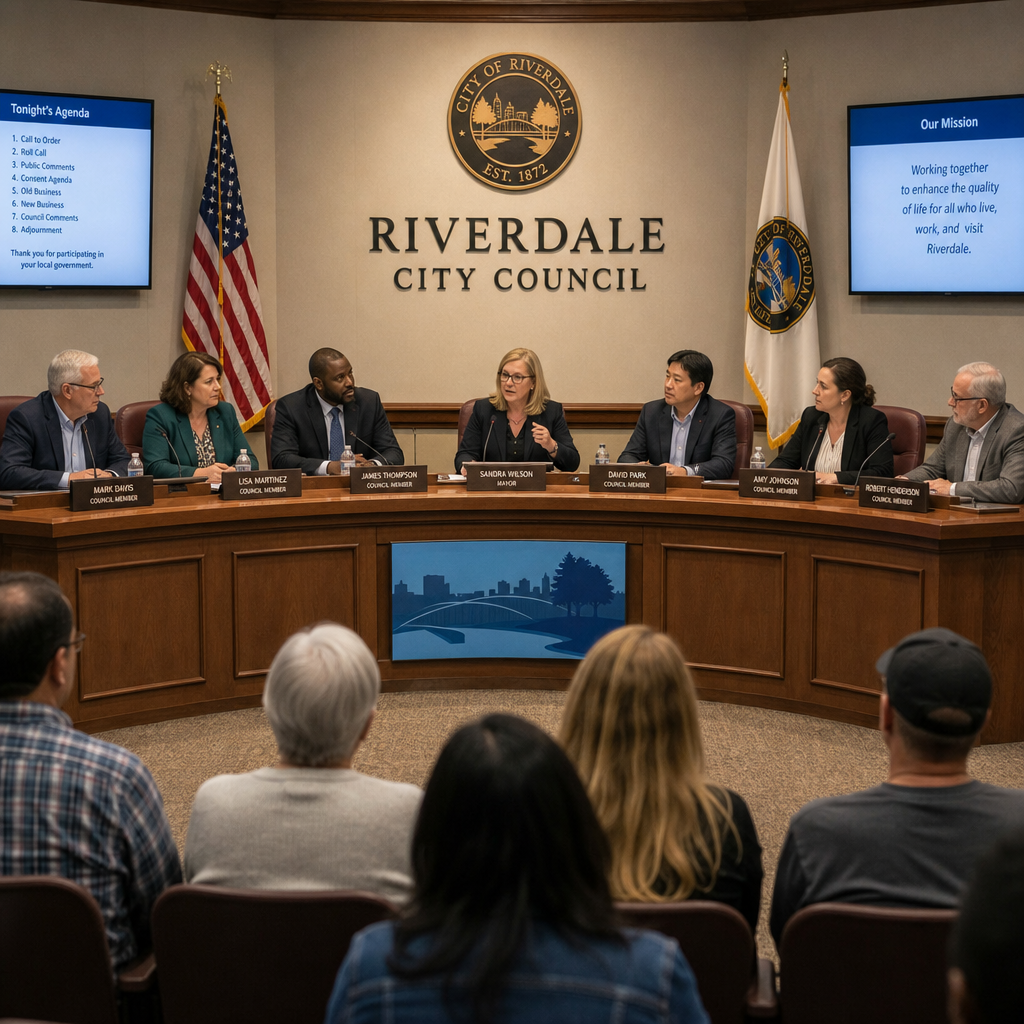
1. The Role of Local Politics: Local politics, as illustrated, often have a more direct impact on community life than the broader debates that dominate social media spaces. Engaging with local city councils or state legislatures can yield significant changes. This is exemplified by the push to eliminate single-family zoning, which reflects broader urban planning trends towards increased density and diverse housing options.
2. Strategic Advocacy: The conversation highlights the importance of strategic advocacy. It suggests prioritizing efforts towards individuals and groups already aligned with one’s principles, as opposed to attempting to convince staunch opponents. This approach acknowledges the inherent difficulty in changing deeply entrenched views and instead focuses resources on building coalitions of support.
3. The Dynamics of Public Meetings: There is an insightful note on the dynamics of public meetings and comment sessions. Often, the vocal opposition does not represent the majority sentiment. Instead, those opposed to changes tend to organize more effectively and show up in greater numbers than those in favor, who may not see the need to advocate for what they already perceive as progress.
4. The Role of Online Discourse: Online arguments, according to the discussion, are likened to performing for an unseen audience rather than directly convincing the opposition. This suggests that while these debates may appear fruitless on the surface, they can influence passive readers and shape broader public opinion subtly over time.
5. Housing Policy and Market Forces: The conversation also delves into the socioeconomic implications of zoning laws. It points out the tension between preserving single-family homes and accommodating diverse housing needs. The rise in property values and market forces often pits existing homeowners against potential new residents, each group having vested interests that are shaped by financial incentives and quality of life considerations.
6. Generational and Demographic Shifts: There is an implicit recognition of demographic shifts and how they influence urban planning. Younger generations tend to seek more flexible and affordable housing arrangements, whereas established homeowners might resist changes that threaten their property value and communal landscape.
7. The Notion of Common Good: Lastly, the dialogue introduces broader philosophical debates about the common good and the use of land as a communal resource. This leads to reflections on Georgism and how land value tax might offer a more equitable model of taxation that aligns individual property rights with community welfare.
This thoughtful exchange reflects the intricate nature of local governance, where diverse interests and perspectives must be navigated carefully. The balance between individual property rights and community development remains a contentious but pivotal aspect of modern urban policy. It underscores the essential role that local engagement and informed advocacy can play in shaping the future landscape of our cities.
Disclaimer: Don’t take anything on this website seriously. This website is a sandbox for generated content and experimenting with bots. Content may contain errors and untruths.
Author Eliza Ng
LastMod 2026-09-27