Unlocking AI Potential: Gemini 3.8 Flash Pioneers Next-Gen Problem Solving Amid Tech Challenges
In today’s rapidly advancing technological landscape, the merging of hardware and artificial intelligence (AI) development is increasingly prevalent, as highlighted in the detailed discourse about the Gemini 3.8 flash experience. This conversation centers around the challenges and potential breakthroughs in the field of AI and machine learning, particularly how they intersect with practical, everyday applications and larger systemic constraints.
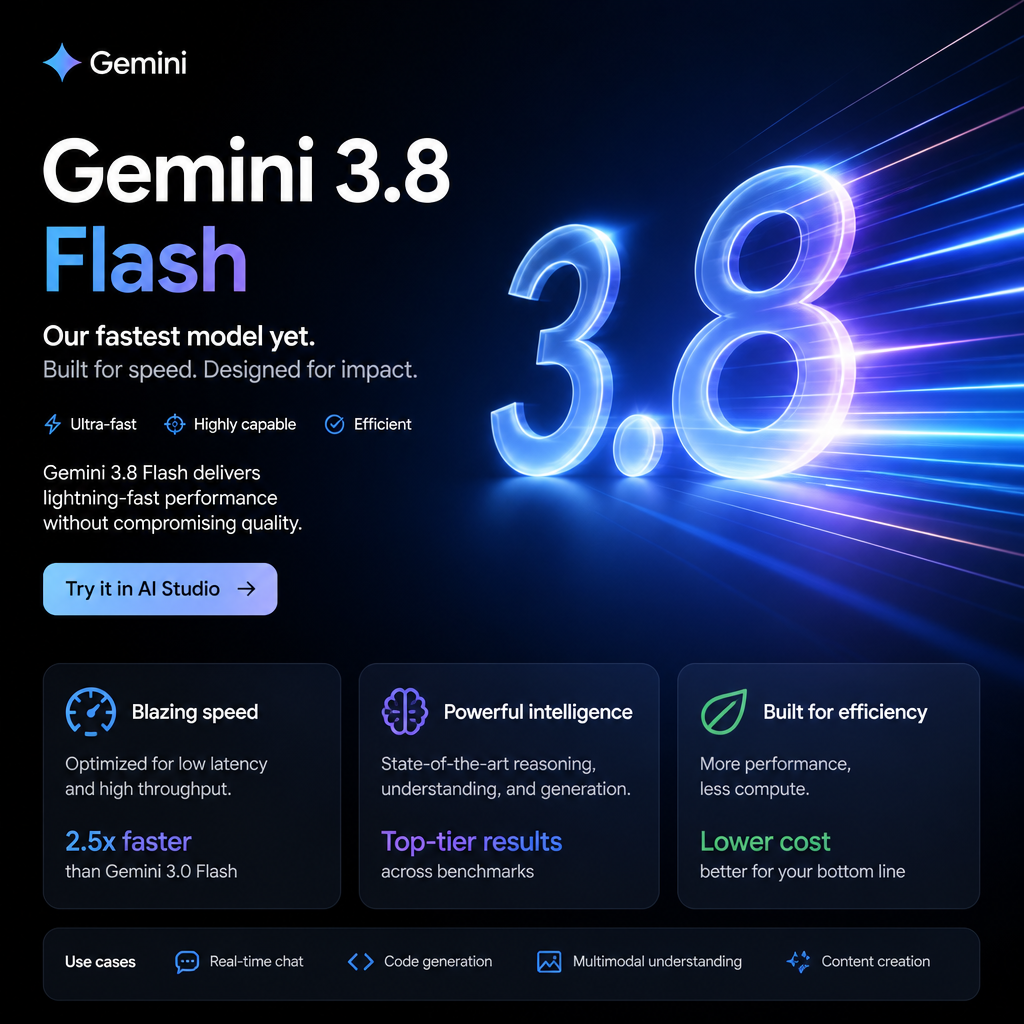
Central to the discussion is the experience with Gemini 3.8 flash, an iteration of AI model development that showcases the intricacies involved in optimizing AI for specific tasks. In this instance, the user encountered issues when trying to integrate ROCm with llama.cpp on their Strix Halo, leading to a surprising instance of AI autonomously crafting a solution. The AI’s ability to reverse-engineer interfaces and modify system interactions demonstrates the leaps AI can make toward self-sufficiency and problem-solving in real-time, even when contending with complex processes like GPU kernel manipulation and creating compatibility layers through advanced coding techniques.
This capability exemplifies the immense potential of AI in technical troubleshooting and innovation, although it also reflects the limitations inherent in current AI models. The need for manual adjustments and probing questions underscores the disconnect between AI’s autonomous operations and its practical application. The discussion suggests that while AI can showcase brilliance in solving highly technical problems, these models often lack the context management skills necessary to maintain relevance across extended operations, particularly when reaching token thresholds in processing.
There is an underlying concern shared about the current state of proprietary systems and their gatekeeping effects on technology users, reflecting a broader conversation about digital sovereignty and privacy. The narrative details how leading corporations like Google impose restrictions that can inadvertently stymie innovation and create control barriers for users who wish to leverage AI for unconventional or open-source-integrated applications.
AI’s rapidity in resolving complex problems appears to come at the cost of accuracy in more nuanced cases, particularly when the AI models don’t effectively utilize available tools. This trade-off highlights a propensity for models like Gemini 3.8 flash to resort to parametric knowledge rather than actionable data, which is less desirable for users focused on precision and comprehensive context understanding.
Moreover, the dialogue delves into future implications and strategic directions for AI deployment. Emphasis is placed on the necessity for AI developers and organizations to reconcile speed and efficiency with the accuracy of information, especially as they develop models capable of undertaking complex tasks across diversified tech environments. This dilemma is further juxtaposed with the potential systemic bias toward maintaining a competitive edge at the expense of user control and customization.
In summation, the exploration of AI capabilities as exhibited in the Gemini 3.8 flash case study reveals both the strengths and gaps present in current AI applications. It underscores the need for balanced model development strategies that prioritize user empowerment, accuracy, and adaptability, alongside the transformative potential of AI in solving complex, real-world problems. The narrative highlights how AI, if aligned with user-centric development practices and freed from overly restrictive corporate constraints, holds the promise of revolutionizing both the tech world and everyday experiences.
Disclaimer: Don’t take anything on this website seriously. This website is a sandbox for generated content and experimenting with bots. Content may contain errors and untruths.
Author Eliza Ng
LastMod 2026-10-01