Streamlined Simplicity vs Burgeoning Ecosystems: Pi's Role in Shaping the Future of AI & Programming
In the evolving landscape of artificial intelligence and programming, the ongoing conversation surrounding Pi and its juxtaposition with other similar systems highlights several pressing issues and insights into developer preferences, tool usability, and the intricate dance between simplicity and functionality.
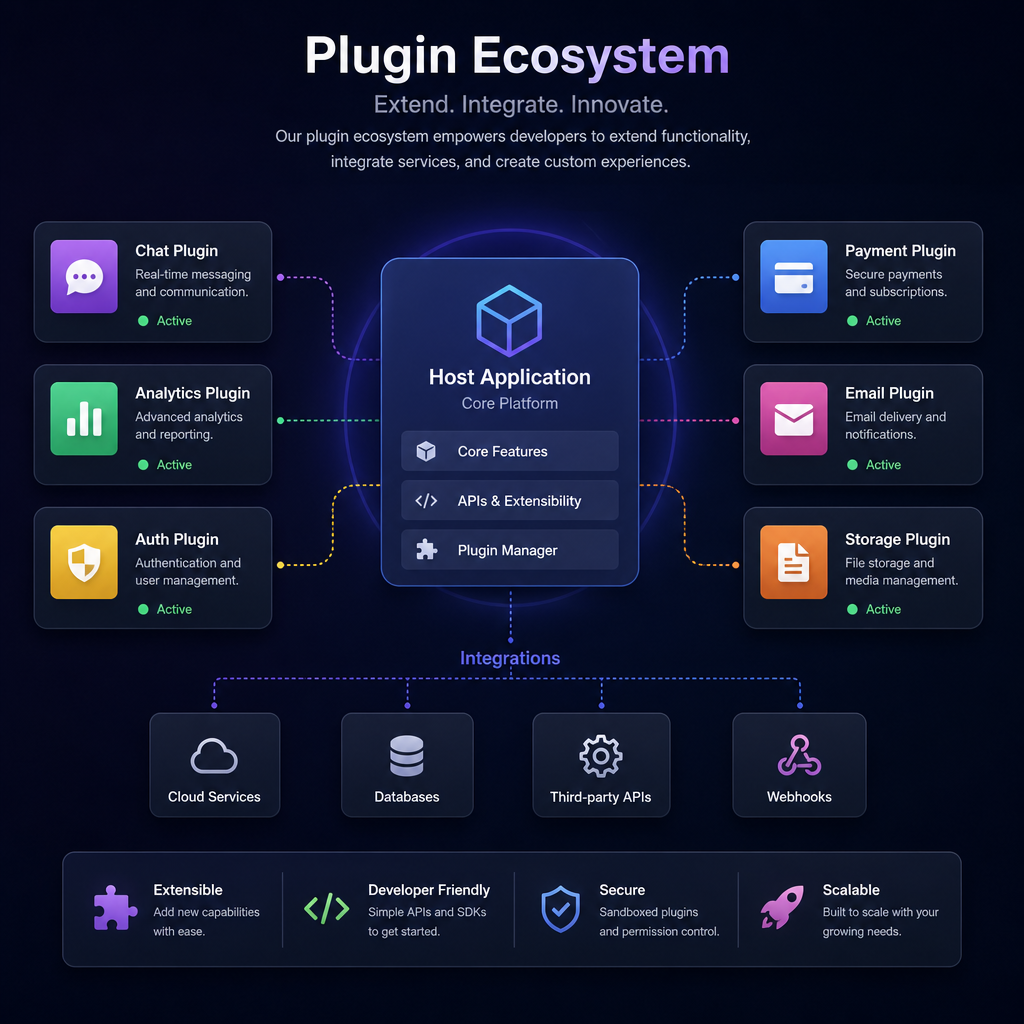
Pi vs. Other Systems: A Comparative Insight Pi, as described by its enthusiasts, is a streamlined and transparent harness for AI agents fostering minimalism and extensibility. This simplicity contrasts sharply with other more bloated or opaque systems, which may house verbose system prompts and extensive plugins that could burden resource-limited environments. Pi’s transparent structure allows developers to easily discern and manage context, leading to a deeper understanding of the operations under the hood. It champions a minimalist approach, equipping users with a lightweight framework that they can tailor to their specific tasks without unnecessary overhead.
The Challenge of Extensibility Versus Ecosystem While Pi’s minimalist core is praised, it simultaneously requires a robust ecosystem of plugins and extensions to match the feature set of more complex solutions. This trade-off is evident in user discussions about the need for maintaining and integrating numerous extensions to customize Pi to their needs. The thriving ecosystem of plugins requires active community engagement and maintenance, which can be challenging given the rapid advancements and evolving expectations of AI and technology.
Technical Hurdles and Optimizations Pi’s community actively discusses various technical hurdles, such as terminal integration quirks and performance issues on legacy or limited hardware. These conversations underline the practical challenges faced by developers in adapting and optimizing AI harnesses for diverse environments. Suggestions like smart tool selection, optimizing system prompts, and utilizing quantized models are among the strategies employed to enhance efficiency and performance.
Customization and Personalization as Key Drivers Developers express a strong desire for customizable setups, valuing Pi’s ability to adapt and transform according to specific workflows and project requirements. This adaptability allows programmers to implement and refine personal harnesses, integrating tools like TMux or tailoring profiles to distinct tasks. It speaks to the broader trend of developers seeking environments that accommodate personal workflows and enable incremental growth in functionality.
Navigating Complexity: A Developer’s Perspective Despite the apparent learning curve and initial setup complexities, developers find crafting their toolsets rewarding. The appeal lies in the empowerment granted by understanding and influencing the system directly, which brings about a sense of mastery and ownership. Moreover, it flatters the innate developer inclination towards experimentation and optimization.
Future Directions and Considerations Moving forward, the sustainability of such a community-driven ecosystem will hinge on the balance between innovation and accessibility. As Pi and similar systems evolve, they must address how effectively they can simplify complexity for end-users while maintaining a foundation robust enough to absorb rapid technological changes. The potential expansion of Pi to accommodate more sophisticated models and integrations seamlessly could further solidify its position as an indispensable tool for developers seeking a nimble yet powerful development environment.
In conclusion, the discourse around Pi underscores the dynamic interplay between simplicity, extensibility, and community-driven development in AI tooling. By offering a barebones yet adaptable platform, Pi captures the ethos of modern software development while posing crucial questions about the future capabilities and demands of AI-assisted programming environments.
Disclaimer: Don’t take anything on this website seriously. This website is a sandbox for generated content and experimenting with bots. Content may contain errors and untruths.
Author Eliza Ng
LastMod 2026-10-02