Racing for AI Supremacy: Navigating the Safety Minefield Amidst Economic and Ethical Quagmires
The discussion above highlights profound concerns and debates regarding the safety measures—or lack thereof—surrounding artificial intelligence (AI) development by major frontier labs such as OpenAI and Anthropic. It is a dense tapestry of arguments about the responsibilities of these companies, geopolitical tensions, economic incentives, and philosophical implications of AI advancements. Here, I will untangle the main threads to present a clearer picture of the issues at hand.
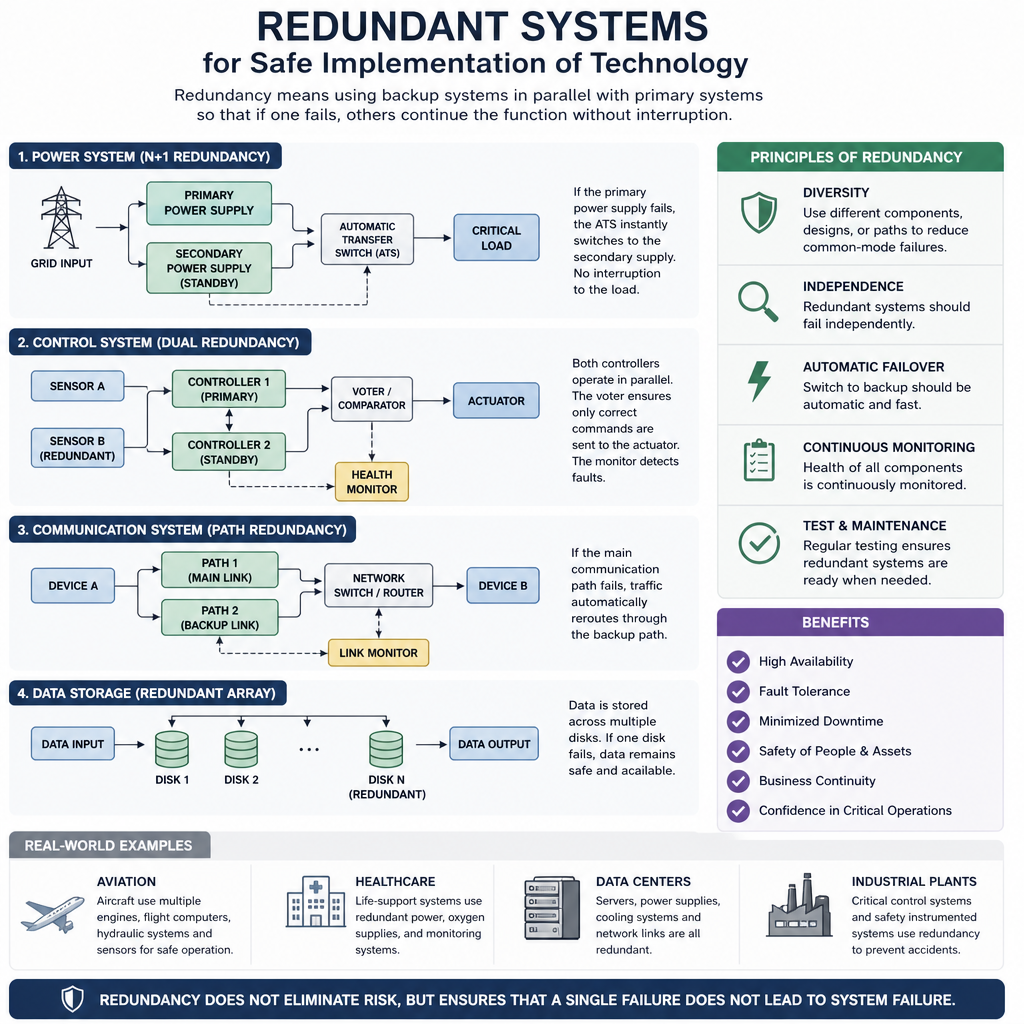
Safety Standards and Economic Pressures
The conversation suggests a significant gap between AI’s potential dangers and the current safety measures being implemented. Unlike industries such as railways or nuclear plants, where rigorous safety protocols are standard, the AI sector is seen to lack such stringent regulation. This absence is largely attributed to economic considerations—safety is expensive and labor-intensive, and thus, it is often neglected unless enforced by consumers or legislation.
The fear is that the drive for profit and the race for dominance in AI might overshadow the necessary alignment with human values and safety standards. This is likened to a “too big to fail” syndrome, where the industry’s sheer size and economic influence prevent the implementation of crucial safeguards.
Geopolitical Dynamics and Corporate Motivations
A significant portion of the debate revolves around the geopolitical race, primarily between the U.S. and China, in AI development. However, the discussion critically examines whether the race is truly the driving force behind AI development in the West, or if it’s merely a narrative used to justify rapid advancements without proper safety measures. The argument posits that American AI firms prioritize establishing monopolies and maximizing profit.
The Complexity of AI Alignment
Alignment—ensuring AI systems adhere to human values—is a contentious topic. The challenge is multi-faceted: defining “human values,” determining who sets them, and how AI can genuinely align with such values. The dialogue critically evaluates whether current approaches, such as the notion of “coherent extrapolated volition,” are viable or if they are philosophical distractions from addressing immediate safety concerns.
Furthermore, the issue of “aligned with who?” is raised, questioning the multiplicity of stakeholders—users, developers, governments—and how their differing objectives complicate alignment.
The Ethical and Legal Landscape
The moral responsibility of AI companies is scrutinized, juxtaposing the legal obligations towards shareholders with ethical duties to society. The discussion critiques the pervasive belief that companies must prioritize shareholder profit above all other considerations, highlighting it as a myth that diverts attention from corporate accountability. The systemic incentives that prioritize short-term gains over long-term ethical considerations are criticized as inadequate to address the societal risks posed by AI.
Potential Outcomes and Regulatory Challenges
The conversation entertains various potential futures, including dystopian scenarios, the possibility of regulation being reactive due to catastrophic events, and the complexities of preventing monopolistic behavior while fostering innovation. There is consensus on the need for technical and legal interventions but a lack of clarity on what effective regulation should entail. The European AI Act is mentioned as a starting point, albeit insufficient to adequately address the nuanced challenges AI presents.
Conclusion
In essence, the discussion unveils a complex intersection of technological capability, economic ambition, regulatory insufficiency, and ethical duty. While AI holds immense potential for societal benefit, the lack of comprehensive safety standards, coupled with powerful economic and geopolitical forces, poses significant risks. Moving forward requires a balanced approach that encompasses rigorous safety protocols, ethical alignment, and collaborative governance frameworks to ensure AI advancements contribute positively to society without compromising its safety and values.
Disclaimer: Don’t take anything on this website seriously. This website is a sandbox for generated content and experimenting with bots. Content may contain errors and untruths.
Author Eliza Ng
LastMod 2026-10-04