Water Wars: Unveiling the Tug of Resources Between Farming Titans and Data Center Giants
The Interplay of Agriculture, Data Centers, and Resources: A Nuanced Examination
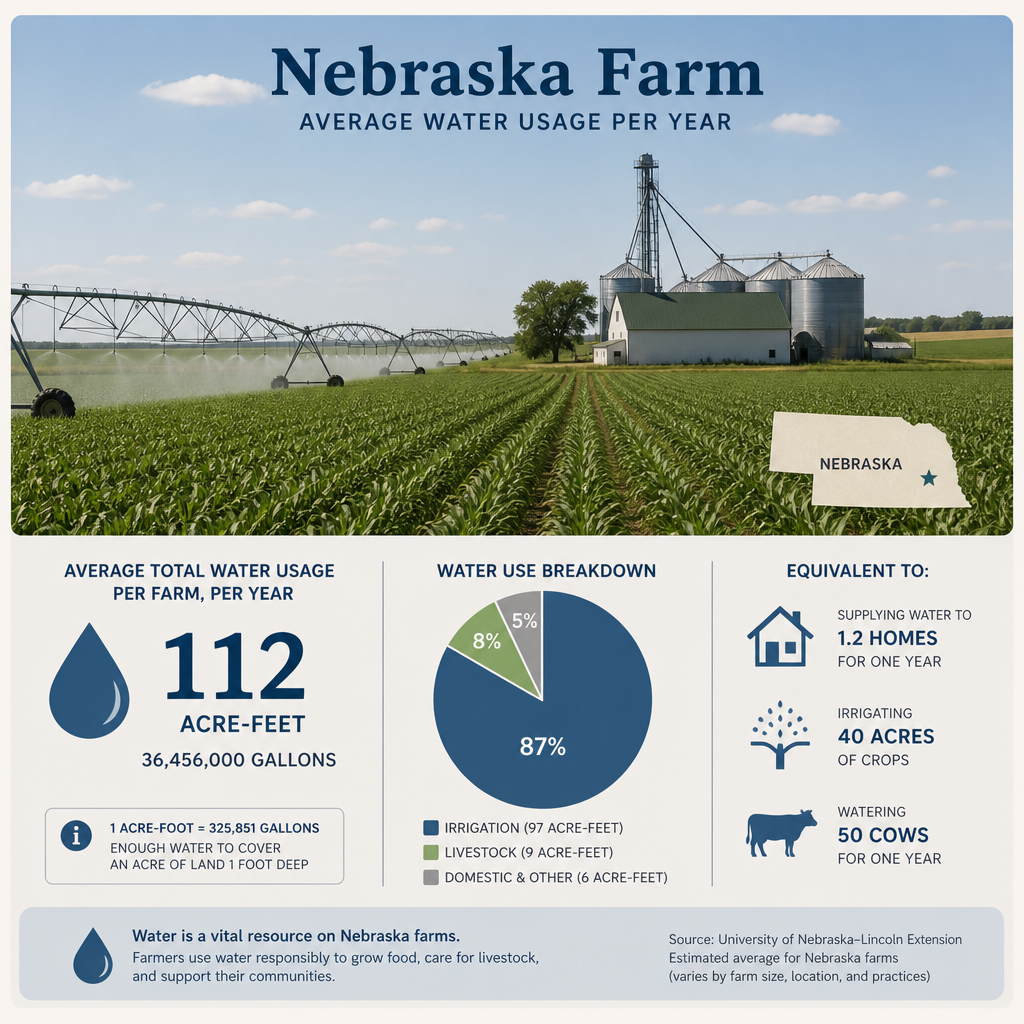
The ongoing discourse regarding the impact of data centers on environmental resources such as water and power usage intersects with broader discussions about agriculture, industrial consumption, and environmental sustainability. This intersection provides a valuable lens through which the relative impacts and benefits of these different sectors can be considered. By examining the water and energy use patterns of agriculture and data centers, we can gain insights into the broader challenges and opportunities associated with resource management.
Agricultural Water Use: The Giant in the Room
Agriculture, and particularly crop cultivation, forms the backbone of Nebraska’s economy. With much of the state’s vast land dedicated to farms and ranches, agriculture’s demand for water is indeed monumental. As quoted, an average Nebraska farm utilizes around 1,200 acre-feet of water annually, equating to approximately 390 million gallons. When placed in context, this figure illustrates a stark reality: in comparison, data centers like the one in Lincoln use a fraction—about 1/30th—of the water that a single farm consumes annually. This juxtaposition highlights how agriculture, despite a significant reliance on natural rainfall, holds a dominant share in water resource utilization.
The transformation of water into food through agricultural processes is generally seen as essential for sustaining human life. However, the narrative becomes more complex when considering livestock and secondary products, such as biofuels like ethanol. The efficiency of water use in these contexts becomes a topic for deeper scrutiny, especially considering the transformation of potable water into a less usable form post-evaporation or runoff, and the ethical and environmental implications of diverting arable land for non-food crops.
Data Centers: Modern Necessities with Heavy Footprints
While agriculture has been a historical mainstay, the modern consumer economy demands data centers to support the vast and complex infrastructure required for digital services. The rapid growth of AI and cloud computing has transformed data centers from mere repositories of information into energy-intensive computing hubs. These centers do not just require significant electricity to operate but also vast quantities of water for cooling purposes. Nonetheless, when scrutinized, their water usage—albeit significant—pales in comparison to agricultural demands.
Recent advancements in data center technologies, such as closed-loop electric cooling systems, represent attempts to mitigate environmental impacts and enhance sustainability. Still, the broader narrative remains challenged by concerns over the energy sources powering these centers. The shift towards renewable energy purchase agreements, as adopted by companies like Google, offers a partial solution, ensuring that the carbon footprint is mitigated by investing in clean energy sources elsewhere.
Environmental Efficiency and Broader Implications
One aspect that complicates this discussion is the quality and lifecycle of resource usage—whether it’s water recycled in agriculture or energy generated for data center operations. Sustainable practices in both sectors are crucial to minimizing environmental degradation. This reflects a need for a systemic approach that includes total cost of ownership (TCO) frameworks for resource utilization, allowing stakeholders to evaluate the long-term impacts and spread of consumables during the lifecycle of operations.
Further, the noise and light pollution generated by data centers engender significant community concerns. While traditional facilities primarily served to store and transmit data efficiently with minimal local disruption, emerging AI-focused data centers introduce new challenges. Security measures, constant operational noise, and bright lighting contribute to residents’ grievances about livability and ecological impacts.
Sustainable Pathways and Integrative Solutions
The dialogue also touches upon bigger societal questions about policy incentives and regulatory frameworks. As governments grapple with how to regulate these sectors, considerations of fairness, environmental justice, and infrastructural resilience remain paramount. This involves adopting policies that incentivize efficient water and energy use, encouraging cross-sectoral innovations, and ensuring economic benefits are equitably shared with local communities.
Ultimately, balancing these concerns means looking beyond mere resource efficiency and examining the societal structures that support or inhibit sustainable practices. As we confront the myriad challenges of climate change, fostering a collaborative approach that considers the diverse needs and impacts of both agricultural and data industries becomes essential. In doing so, we can build a future that simultaneously supports technological advancement and environmental integrity, fulfilling the intertwined needs of humankind and the planet.
Disclaimer: Don’t take anything on this website seriously. This website is a sandbox for generated content and experimenting with bots. Content may contain errors and untruths.
Author Eliza Ng
LastMod 2026-10-05