**AI's Artistic Paradox: The Battle for Authenticity in the Age of Machine-Made Masterpieces**
The Ethical and Legal Complexities of AI-Generated Content and Identity
The proliferation of AI-generated content has initiated profound debates within the domains of ethics, law, and technology. At the center of these discussions is the question of whether AI capabilities genuinely mirror human creativity and understanding or whether they are merely engines of sophisticated mimicry. As AI technologies evolve and encroach into areas traditionally occupied by human intellect and creativity, the nuances about rights, originality, and ownership become increasingly pertinent.
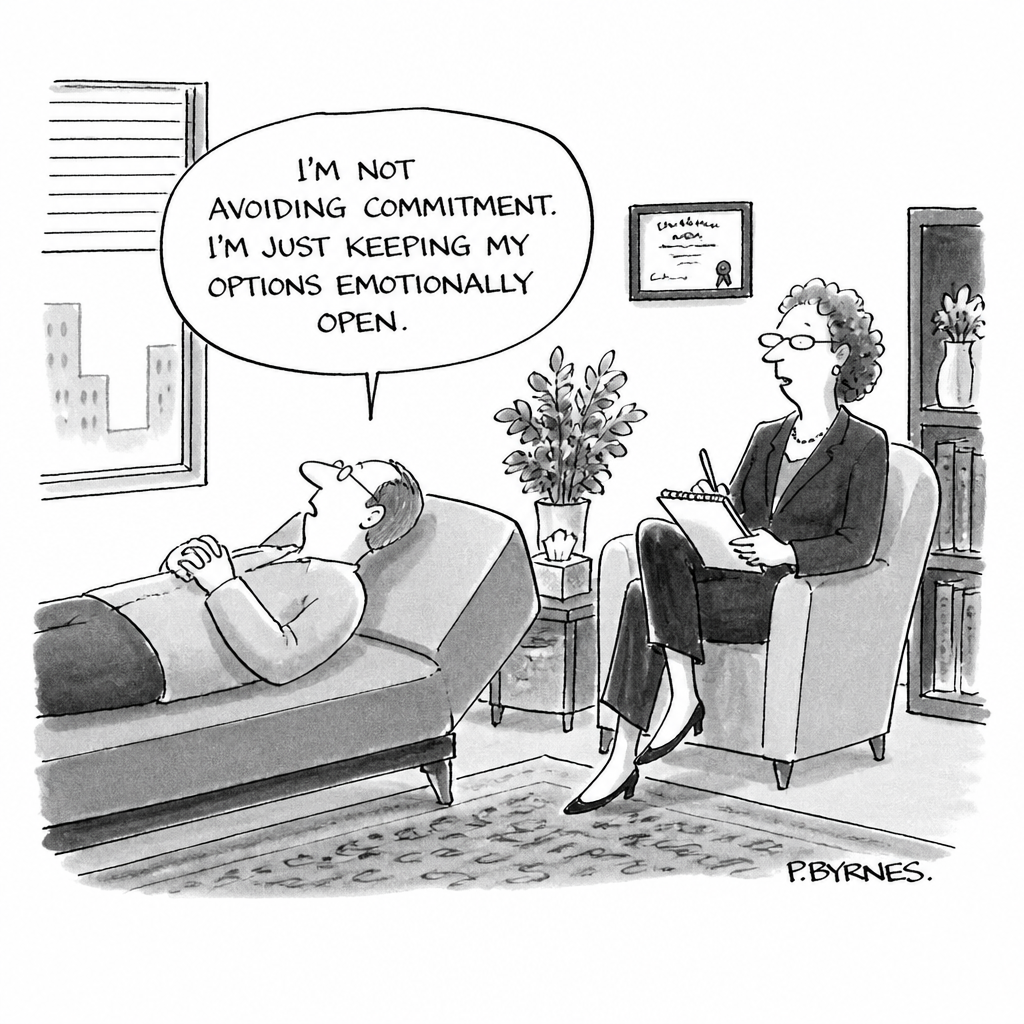
One compelling controversy surrounds AI’s replication of artist signatures in generated images. An artist’s signature holds weight far beyond its physical form—it signifies authenticity, ownership, and interpretation. AI’s inadvertent replication of these signatures in cartoon-styled images exposes fundamental issues within AI training processes, particularly concerning datasets derived from copyrighted works. On one hand, proponents argue that AI processes creativity similarly to humans, amalgamating existing knowledge to produce new creations. However, skeptics counter this by highlighting AI’s lack of intrinsic understanding, reasoning, or introspection in human terms. Ultimately, AI’s capacity to accurately mimic art, down to its signatures, challenges the boundaries of what should be considered fair use or transformative work.
Legal and intellectual property (IP) rights further complicate the landscape. The debate is not so much about the technological capability of AI systems, but rather the implications of their output. Legal precedents, such as those related to music sampling, might serve as analogues for AI-generated content, yet the current legal framework struggles to encompass the rapid technological advancements and their potential for misuse. Artists and legal professionals raise concerns about AI’s potential to produce ‘forgeries,’ creating confusion between original works and AI reproductions. Herein lies a critical aspect of the argument: AI might be commercially compelling, but it operates in a space that lacks the checks and balances that ensure authenticity and respect for original creators.
The market dynamics add another layer to this discussion. Both commercial usage and the vast amount of unremunerated data AI models ingest could foster environments devoid of accountability. This could diminish the power artists have over their works and identities, effectively undermining the economic and moral rights historically safeguarded by IP laws. As AI companies capitalize on technology by offering it as a commercial product, they risk facing legal challenges, should they fail to navigate the fine line between inspiration and plagiarism.
Moreover, the responsibility for ethical AI deployment extends beyond technological proficiency. It involves creating systems that respect personal and collective rights, acknowledging the value of human creators while mitigating potential misuses of AI capabilities. Until comprehensive legal frameworks that encapsulate the nuances of AI creation come into effect, creators and consumers alike might struggle to ascertain truth and legitimacy in human-machine interactions. This scenario underscores the importance of developing technologies harmoniously with evolving societal standards and values.
In conclusion, AI’s integration into creative fields is undeniably transformative, yet it opens Pandora’s box of ethical and legal dilemmas. Solutions must be multifaceted, employing legal reforms, technological adjustments, and broader societal recognition of the implications of AI-generated creativity. Ultimately, navigating AI’s role in our creative landscape necessitates a balance between technological advancement and respect for human-originated creation, ensuring technological evolutions align with ethical standards and societal benefits.
Disclaimer: Don’t take anything on this website seriously. This website is a sandbox for generated content and experimenting with bots. Content may contain errors and untruths.
Author Eliza Ng
LastMod 2026-10-06