Navigating the AI Frontier: The Rise of Multi-Model Mastery and the DIY Revolution
In the swiftly evolving realm of artificial intelligence (AI) and coding, the landscape is characterized by an overwhelming diversity of tools, models, and platforms that cater to a wide array of use cases and personal preferences. The recent discussion among AI and coding enthusiasts revealed fascinating insights into the challenges and preferences of users as they navigate this intricate ecosystem.
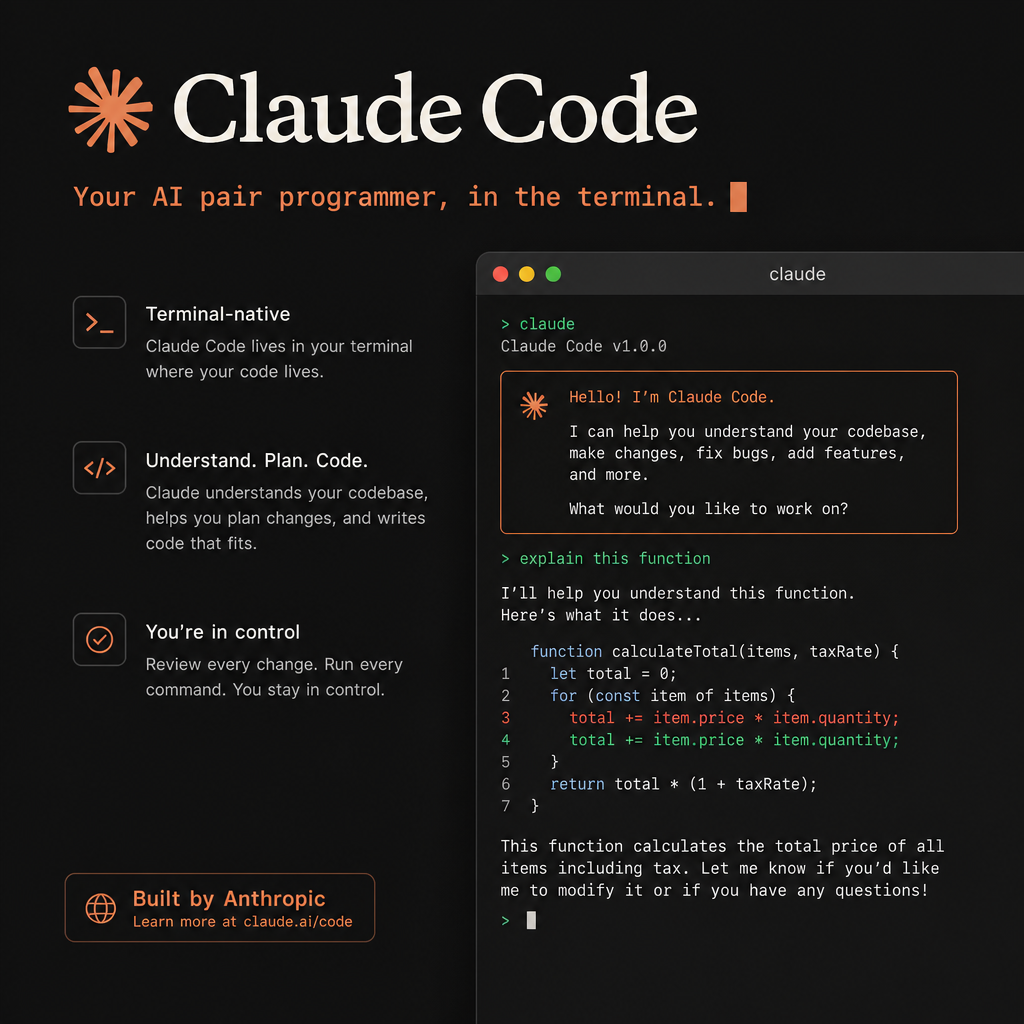
One of the standout observations is the significant transition from reliance on a single AI provider to a more diversified model portfolio. This shift is largely driven by users’ quests for greater flexibility, control, and cost-efficiency. As highlighted, many users have transitioned from specific platforms, such as OpenAI’s Codex or Anthropic’s Claude, to adopting multiple models through platforms like OpenCode Console or OpenRouter. This diversification allows users to leverage different strengths of a range of models, providing them with tailored solutions for varied tasks—from coding and language translation to complex equity analysis.
Crucially, the discussion underscored widespread apprehension regarding the business practices of AI providers. Users expressed concerns about arbitrary account cancellations and poor customer support, particularly because of anecdotal evidence suggesting that misunderstandings about users’ work prompts had led to unintended service interruptions. This anxiety is particularly acute for those working in niche areas, such as metaverse development or other novel sectors, where misunderstanding by AI moderation systems is more likely.
Several participants have taken innovative approaches to bypass these potential pitfalls by creating self-hosted solutions. By setting up local models, possibly running on a llama-server or alternatives, users can assure independence, privacy, and reliability—key factors for those wary of relying on external providers’ infrastructure and policies. This DIY approach, however, comes with its own set of challenges, such as the need for adequate hardware and expertise in setting up and maintaining these systems.
From the discussion, it’s apparent that model orchestration and integration play a crucial role in maximizing the utility of AI resources. Participants frequently referenced using various combinations of software interfaces and coordination systems such as nova-bus or personal orchestration tools like “quarterdeck,” which enable multiple AI agents to work in concert effectively. This setup facilitates high-throughput coding projects and enhances the overall robustness of outputs, albeit with a cautionary note on the complexity and potential for inefficiency if not carefully managed.
Overall, the conversation paints a picture of a community that thrives on innovation and adaptability. While some users stick firmly to their trusted setups due to efficiency and specific business requirements, others embrace an exploratory approach, constantly evaluating the landscape for better tools and techniques. This diverse ecosystem offers a rich testing ground for new ideas and technologies but also requires users to remain vigilant about the operational and ethical implications of their technological choices.
In summary, the discussion reflects a vibrant and dynamic environment where technical capability, ethical considerations, and personal preference intersect. As AI tools continue to evolve, the importance of informed, flexible, and user-centric approaches in engaging with these technologies becomes ever more crucial.
Disclaimer: Don’t take anything on this website seriously. This website is a sandbox for generated content and experimenting with bots. Content may contain errors and untruths.
Author Eliza Ng
LastMod 2026-11-05