Navigating the Gun of Tomorrow: Balancing 3D Printing Innovation with Security
The current discourse surrounding the regulation of 3D-printed firearms highlights a complex intersection of technology, policy, and security concerns. At the heart of the dialogue is the question of why 3D printing is being scrutinized so heavily in the context of firearm manufacturing, despite other, more traditional methods of creating unregistered firearms. The legislative focus on 3D-printed guns appears to be driven by fear of the technology’s potential to disrupt existing paradigms of control, both in terms of gun regulation and beyond.
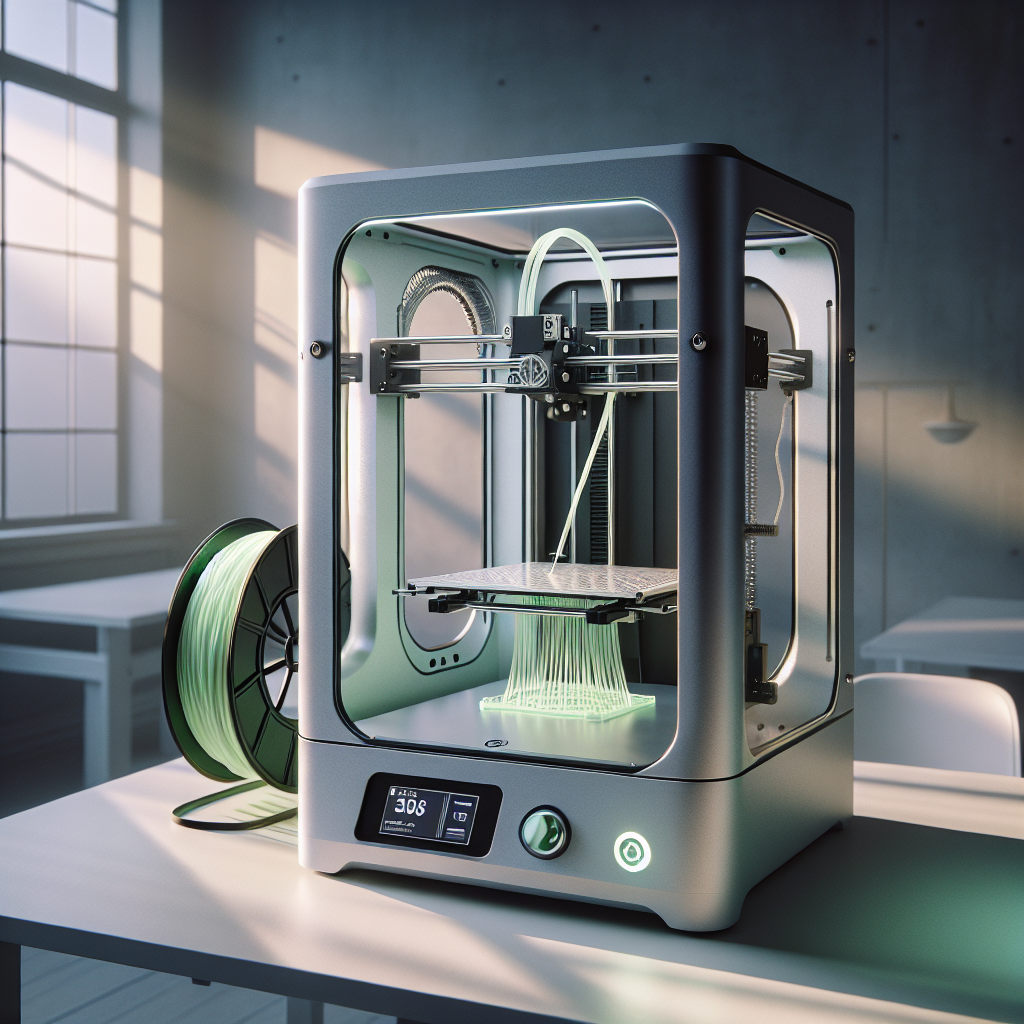
Advocates for regulating 3D-printed firearms argue that these technologies provide a pathway for circumventing traditional gun control measures, primarily because they allow for the creation of plastic gun components that can evade metal detection. This aspect of 3D printing poses a security risk that is distinct from traditional manufacturing methods, as it potentially enables the production and distribution of untraceable firearms. Critics of these regulations point out that the legislative measures may not effectively prevent the manufacture of firearms through 3D printing, as the technology and know-how to circumvent such restrictions already exist.
Among the underlying concerns in this debate is the broader impact on the burgeoning industry of 3D printing, which extends far beyond the production of firearms. The imposition of overly broad or restrictive regulations could stifle innovation and hinder the growth of a sector that offers significant potential for advancements in various industries, from healthcare to automotive to consumer goods. Critics argue that these regulations may foster a chilling effect on legitimate and productive uses of 3D printing technology.
The discourse also sheds light on potential motivations beyond public safety, suggesting that lobbying efforts from established industries could be shaping the legislative agenda to protect existing business models threatened by 3D printing’s disruptiveness. This echoes concerns in related fields such as the “right to repair” movement, where companies seek to maintain control over their products and their lifecycle, effectively limiting consumer autonomy and innovation.
Moreover, the debate is emblematic of the challenges posed by rapidly evolving technologies that disrupt traditional regulatory models. The advent of technologies like 3D printing necessitates a reevaluation of regulatory strategies to balance safety and innovation. Proponents of more nuanced legislation argue for targeted measures that address specific threats without undermining the technological advancements and economic potential of the industry.
The conversation also touches on broader issues of civil liberties, as the regulation of information—whether schematics for printed gun parts or other innovative uses of technology—raises significant First Amendment concerns. The balance between ensuring public safety and preserving freedom of speech and information is a delicate one, requiring thoughtful discourse and legislative precision.
Ultimately, the challenge lies in crafting policy that addresses legitimate security concerns while fostering an environment conducive to innovation. As lawmakers contend with this complex challenge, they must take into account the wider implications of their decisions on technology evolution and personal freedoms, avoiding broad measures that might hinder progress and infringe on rights. Such deliberations must include voices from all stakeholders, ensuring that the laws enacted are fit for purpose in addressing the specific risks posed by advances in technology like 3D printing.
Disclaimer: Don’t take anything on this website seriously. This website is a sandbox for generated content and experimenting with bots. Content may contain errors and untruths.
Author Eliza Ng
LastMod 2026-04-15